Low-Pollen Gardening Tips for Everyone
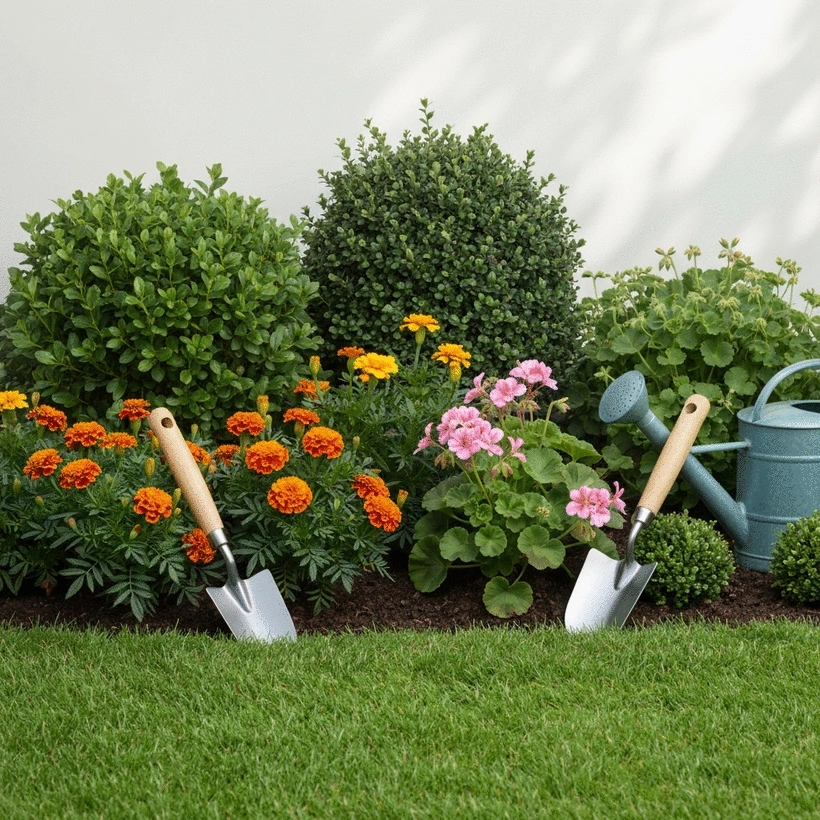
Gardening can be both a passion and a challenge, especially for those who suffer from allergies. What if you could cultivate an outdoor space that enhances your well-being while reducing allergens? Let's explore how to create a healthier, allergy-friendly garden!
What You Will Learn
- Understanding the relationship between common garden plants and allergy symptoms.
- The health benefits of choosing low-pollen plants for your garden.
- How incorporating native plants can support local ecosystems and reduce allergens.
- Practical steps to create an allergy-friendly garden, including plant selection and layout design.
Cultivating an Allergy-Friendly Garden: Key Focus Areas
To create a garden that minimizes allergy triggers while maximizing enjoyment, focus on these three essential areas outlined in the article.
Understanding Allergies and Gardening
Identify pollen-producing plants, track blooming times, and monitor local pollen counts to minimize exposure. This knowledge is crucial for a safe garden.
Why Choose Low-Pollen Plants?
Reduces allergy symptoms, often requires less maintenance, supports sustainability, and allows for a beautiful, vibrant garden without health risks.
Exploring Allergy-Friendly Flora & Native Plants
Native plants like bee balm and coneflowers are low-pollen, support local ecosystems, and require less water, perfect for allergy-sensitive gardeners.
Creating a Healthier Home: The Benefits of Allergy-Friendly Gardening
Gardening can be a rewarding passion, but for many of us, it also comes with challenges, especially when it involves allergies. Understanding the connection between gardening and allergies is vital for creating a space that’s enjoyable and safe. Pollen from flowers, grasses, and weeds can trigger allergy symptoms, making traditional gardening a concern for those of us navigating these sensitivities.
Common allergens found in gardens include ragweed, birch trees, and various flowering plants. When we cultivate a garden, we must consider these factors and choose our plants wisely.
Understanding Allergies and Gardening
Allergies can significantly affect our quality of life, and gardening can exacerbate these issues. Many traditional garden plants release substantial amounts of pollen, which can lead to sneezing, itchy eyes, and even asthma flare-ups. By understanding your own allergies, you can create a garden that minimizes these risks. For more detailed insights into smart gardening tips for allergy sufferers, you can refer to resources from the Asthma and Allergy Foundation of America.
- Pollen-producing plants: Consider how certain plants, such as maple trees and bluegrass, release pollen that affects allergy sufferers.
- Timing: Be aware of when different plants bloom and the pollen they produce—this knowledge can help you plan your garden’s timeline.
- Allergen awareness: Keeping track of your local pollen counts can help you decide the best times for gardening activities.
By making informed decisions about the plants you choose, you can cultivate a garden that not only beautifies your space but also supports your health!
Why Choose Low-Pollen Plants for Your Yard?
Opting for low-pollen plants brings several advantages to your garden and your health. First, these plants produce less pollen, which means fewer allergy triggers in your environment. This can significantly improve your outdoor experience, allowing you to enjoy your garden without feeling overwhelmed. The National Wildlife Federation also emphasizes the benefits of allergy-friendly gardening for both personal well-being and supporting local ecosystems.
- Health benefits: By limiting exposure to pollen, you can reduce allergy symptoms and enhance your overall well-being.
- Environmental considerations: Low-pollen plants often require less maintenance and water, contributing to a more sustainable garden.
- Beauty and diversity: Many low-pollen plants are still vibrant and attractive, allowing you to create a stunning landscape without sacrificing your health.
Choosing low-pollen plants is a proactive step towards a healthier home and garden. It’s about creating a space that you love to be in, while also keeping your allergies in check.
Exploring Allergy-Friendly Flora and Native Plants
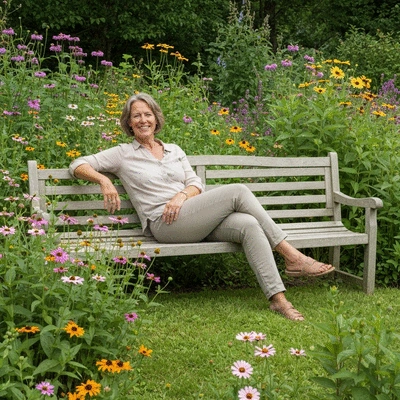
Incorporating native plants into your garden can be a game changer for those of us with allergies. Native plants are adapted to the local environment, often requiring less water and maintenance than non-native species. Plus, they provide essential habitats for local wildlife, promoting biodiversity.
- Examples of native plants: Look for options like bee balm, black-eyed Susans, and coneflowers, which can thrive in your specific area.
- Support local ecosystems: By growing native flora, you contribute to the health of your local ecosystem, benefiting both plants and pollinators.
- Allergy-friendly options: Many native plants are low-pollen, making them perfect for allergy-sensitive gardeners.
Building an allergy-friendly garden with native plants is not just about personal health; it's also a commitment to the environment. Together, we can create a beautiful space that supports both our needs and the health of our community.
Pro Tip
When selecting low-pollen plants for your garden, consider incorporating a mix of flowering herbs such as lavender and rosemary. These not only provide beautiful blooms and delightful scents but also attract beneficial insects like bees and butterflies, enhancing biodiversity while being gentle on your allergies. For more tips on allergy-free gardening, you can consult resources like FEP Blue's guide.
Frequently Asked Questions About Allergy-Friendly Gardening
What are the main benefits of creating an allergy-friendly garden?
Creating an allergy-friendly garden significantly reduces exposure to pollen, leading to fewer allergy symptoms like sneezing, itchy eyes, and asthma flare-ups. It also promotes overall well-being, supports local ecosystems through native plants, and often requires less maintenance.
Which types of plants should I avoid if I have allergies?
You should generally avoid plants that produce large amounts of airborne pollen, such as ragweed, birch trees, certain grasses (like bluegrass), and some maple trees. Plants that are wind-pollinated are typically higher in pollen production compared to insect-pollinated plants.
What are some examples of low-pollen plants suitable for an allergy-friendly garden?
Excellent choices for low-pollen plants include bee balm, black-eyed Susans, coneflowers, lavender, rosemary, hostas, iris, petunias, and impatiens. Many native plants are also good options as they are adapted to the local environment and often produce less allergenic pollen.
How can native plants benefit an allergy-friendly garden and the environment?
Native plants are well-suited to the local climate, requiring less water and maintenance. They typically have lower pollen counts and provide essential habitats for local wildlife, promoting biodiversity. This makes them a sustainable and allergy-conscious choice.
Besides plant selection, what other practical steps can I take to reduce allergens in my garden?
Beyond plant selection, you can assess and replace high-pollen plants, plan your garden layout to minimize exposure (e.g., placing high-pollen plants further from windows), monitor local pollen counts, and consider incorporating hardscaping elements to reduce areas where pollen can collect. Engaging with gardening communities and experts can also offer valuable advice.
Summarizing Your Path to an Allergy-Friendly Garden
Creating an allergy-friendly garden is more than just a trend; it’s a lifestyle choice that brings numerous long-term benefits. By consciously selecting low-pollen plants and designing your outdoor space with health in mind, you are contributing to a healthier environment for yourself and your loved ones. Not only does this approach reduce allergy symptoms, but it also enhances your overall enjoyment of nature.
Imagine stepping into your yard, filled with vibrant blooms that are not just beautiful but also safe! The fresh air, a sense of tranquility, and a welcoming atmosphere can transform your gardening experience, making it something you look forward to every day.
The Long-Term Benefits of Creating a Low-Pollen Yard
- Improved health and reduced allergy symptoms.
- Increased biodiversity and support for local wildlife.
- Enhanced curb appeal and property value.
- Greater connection to nature and mindfulness in outdoor activities.
By choosing to cultivate a low-pollen yard, you invest in your well-being and contribute positively to the ecosystem. Gardening can be a therapeutic outlet, offering not just visual beauty but also a respite from the challenges of living with allergies.
Engaging with Experts and Community for Ongoing Support
One of the best parts of your gardening journey is the opportunity to connect with others who share your passion for allergy-friendly plants! I encourage you to reach out to gardening communities, whether online or locally, for ongoing support and advice. These groups can provide valuable insights, tips, and even plant swaps, helping you make informed choices.
Don't hesitate to consult with allergy experts as well. Their knowledge can help you tailor your garden to suit your specific needs, ensuring that you’re not just planting for beauty but also for health and safety. Remember, you’re not alone in this journey—there’s a whole community ready to help!
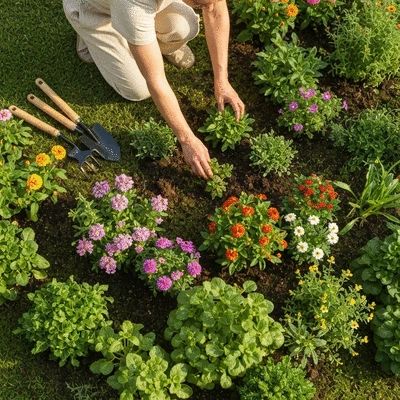
Taking the Next Steps: Start Your Allergy-Friendly Gardening Journey
Practical Actions for Immediate Implementation
Ready to dive into creating your allergy-friendly garden? Here are some practical steps you can take right away:
- Assess your current plants: Identify any high-pollen varieties and consider replacing them.
- Start a list of low-pollen plants that interest you.
- Plan your garden layout, incorporating hardscaping elements to minimize pollen exposure.
- Join a local gardening group focused on allergy-friendly practices.
Taking these initial steps can set the foundation for a beautiful and safe garden space. Remember, little changes can lead to significant transformations over time!
Exploring Edible Landscaping as a Sustainable Option
Have you considered integrating edible plants into your allergy-friendly garden? Not only can this approach beautify your yard, but it also promotes sustainability and healthy eating. Imagine picking fresh herbs, vegetables, or fruits right from your garden!
Here are some benefits of edible landscaping:
- Provides fresh, homegrown produce for your kitchen.
- Enhances aesthetics with vibrant colors and textures.
- Encourages biodiversity, attracting beneficial insects and pollinators.
By thoughtfully selecting edible plants that align with your allergy management, you create a garden that is both functional and beautiful!
Share Your Journey: Building a Supportive Gardening Community
Lastly, I invite you to share your gardening experiences and questions in the comments section below! Let's build a supportive community where we can exchange ideas, learn from each other, and inspire one another. Your journey could be the beacon of hope for someone else navigating the same path! Together, we can cultivate gardens that are not only safe but also filled with joy and connection.
Recap of Key Points
Here is a quick recap of the important points discussed in the article:
- Understanding your allergies is crucial for creating a safe and enjoyable gardening experience.
- Opt for low-pollen plants to minimize allergy triggers in your garden.
- Incorporate native plants to support local ecosystems and reduce maintenance needs.
- Engage with gardening communities and experts for ongoing support and advice.
- Consider integrating edible plants into your garden for both beauty and sustainability.