Dining Safely with Food Allergies
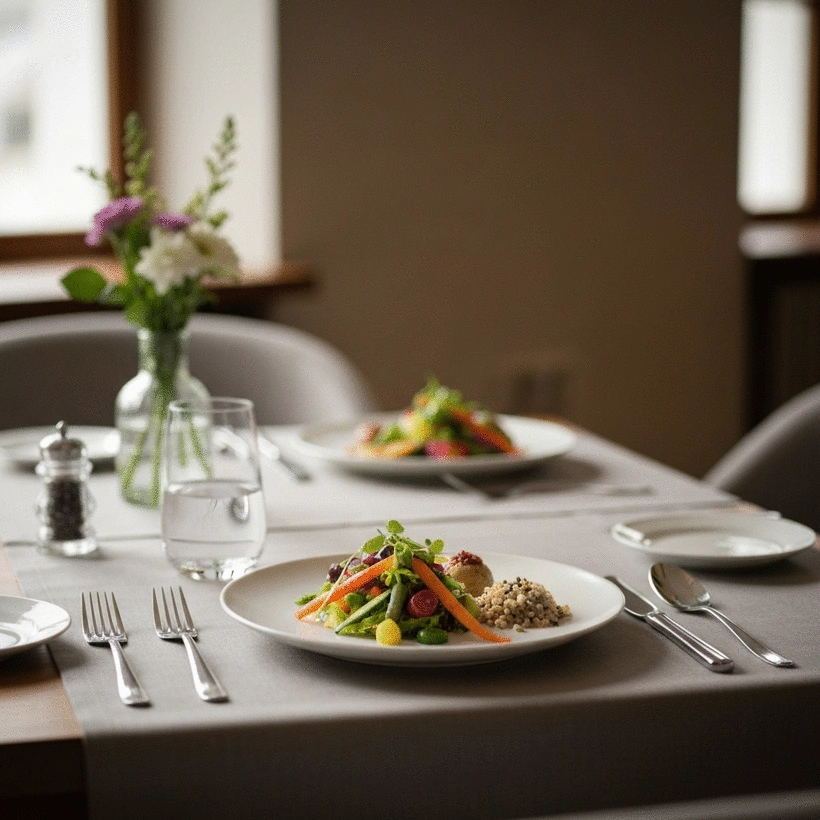
Dining out with food allergies can feel overwhelming, but with the right strategies, you can enjoy your meals safely and confidently. Are you ready to transform your dining experiences?
What You Will Learn
- Understanding the growing impact of food allergies on dining experiences, including common allergens.
- Effective pre-visit research strategies to identify allergy-friendly restaurants.
- Key features to look for in allergy-friendly menus to ensure safety.
- Essential communication techniques for clearly conveying allergies to restaurant staff.
- The importance of using chef cards to enhance safety and prevent misunderstandings.
- Recognizing allergen risk factors, including cross-contamination and hidden allergens.
- Safe ingredient substitutions for common allergens to expand your dining options.
- Steps for creating a personal safety plan for managing allergies while dining out.
- Emergency preparedness tips for handling allergic reactions effectively when they occur.
Navigating Food Allergies: A Proactive Approach
Understanding and managing food allergies while dining out involves a clear process of research, communication, and preparedness, as outlined below.
Step 1: Pre-Visit Research
Check reviews, look for allergen info, call ahead to speak with staff.
Step 2: Allergy-Friendly Menus
Look for clear labels, customization options, knowledgeable staff.
Step 3: Effective Communication
Be specific, ask questions, use chef cards for clarity.
Step 4: Manage Risk Factors
Understand cross-contamination, hidden allergens, and safe substitutes.
Step 5: Empower & Advocate
Speak up for your health and safety; your well-being comes first.
Step 6: Emergency Preparedness
Carry epi-pen, inform staff, have a plan for medical help.
Navigating Food Allergies When Dining Out: Essential Considerations
Dining out can be a delightful experience, but for those with food allergies, it often comes with added challenges. Understanding the significance of food allergies and how they impact dining experiences is crucial. Allergic reactions can range from mild discomfort to severe health risks, and awareness is essential for safe meals. It’s important to recognize symptoms like hives, swelling, or even difficulty breathing, as these can arise from exposure to allergens in food. For more information on identifying and managing food allergy reactions, consult resources from the CDC's guidelines on food allergy reactions.
At I’m Allergic, I’ve seen firsthand how knowledge can make a difference in these situations. A proactive approach can empower diners to enjoy their meals without constant worry!
Understanding Food Allergies and Their Impact on Dining Experiences
Food allergies are a growing concern for many individuals, affecting their ability to enjoy dining out. Common allergens include peanuts, tree nuts, dairy, eggs, soy, wheat, fish, and shellfish. The FDA provides comprehensive information on common food allergens and critical foods. When dining in restaurants, even the smallest amount of an allergen can lead to a serious reaction. That’s why it’s critical for everyone—diners and staff alike—to be aware and informed.
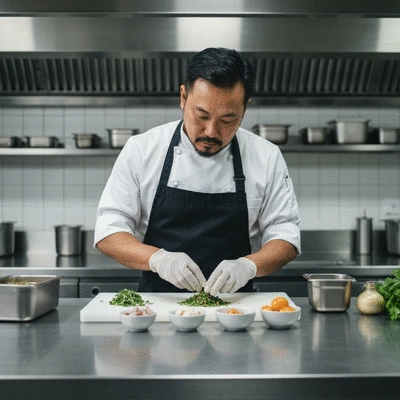
Being educated about your allergens and how they affect your body is the first step toward a safer dining experience. It’s not just about avoiding certain foods; it’s about communicating effectively with restaurant staff to ensure your safety.
Pre-Visit Research: Choosing the Right Restaurant
Before heading out for a meal, it’s wise to do your homework. Here are some guidelines to help you identify allergy-friendly restaurants:
- Check restaurant reviews for mentions of allergen awareness.
- Look for restaurants that offer allergen information on their menus.
- Seek recommendations from friends or online communities who share similar dietary restrictions.
- Visit the restaurant's website or call ahead to speak with staff about their practices for handling food allergies.
By doing a little research, you can increase your chances of having a safe and enjoyable dining experience. It’s always better to be prepared than to face uncertainty when you’re hungry!
Exploring Allergy-Friendly Menus: What to Look For
When scanning a menu, there are several key features you should look for to ensure it’s allergy-friendly. Here are some things to keep an eye out for:
- Clearly labeled allergen information for each dish.
- Options for customization to accommodate dietary restrictions.
- Separate sections for gluten-free or allergen-friendly items.
- Availability of staff who are knowledgeable about food ingredients.
An allergy-friendly menu not only enhances your safety but also offers a sense of security that can make dining out a pleasurable experience. Remember, it’s okay to ask questions if something isn’t clear!
Strategies for Effective Communication with Restaurant Staff
Clear Communication Techniques
Communicating your allergies to restaurant staff is vital. Here are some techniques to ensure that your message is understood:
- Be direct and specific about your allergies.
- Clearly state your needs and any substitutions you may require.
- Don’t hesitate to ask questions about food preparation methods.
Effective communication helps ensure everyone is on the same page, making the dining experience smoother and safer!
Utilizing Chef Cards for Enhanced Safety
Another great tool for communicating allergies is the use of chef cards. These are cards that detail your specific allergies and dietary restrictions, which you can hand to your server. Using chef cards can:
- Provide clear, written information to avoid misunderstandings.
- Help the kitchen staff prepare meals accurately according to your needs.
- Boost your confidence knowing that your preferences are conveyed directly.
Chef cards are a simple yet effective way to enhance your safety while dining out!
Recognizing Allergen Risk Factors in Restaurant Settings
Understanding Cross-Contamination Risks
Cross-contamination is a serious concern for individuals with food allergies. It can occur in various ways, such as:
- Shared cooking equipment or prep surfaces.
- Staff handling allergenic ingredients before preparing your food.
- Unintentional spills or splashes from nearby dishes.
To mitigate these risks, always communicate your allergies clearly and inquire about the restaurant's practices to ensure your meal preparation is safe. Knowledge is power! For more insights into allergen training and regulations for food service, consult ServSafe's resources on allergen training.
Hidden Allergens: Being Vigilant about Ingredients
Many dishes can contain hidden allergens that may not be immediately obvious. Common hidden allergens include:
- Dressings and sauces that may contain dairy or nuts.
- Prepared foods that use flour as a thickening agent.
- Broths or stock that may contain shellfish or gluten.
Being vigilant and asking the right questions when ordering can help you avoid these hidden dangers.
Safe Ingredient Substitutions for Common Allergens
Understanding acceptable substitutes for common allergens can enhance your dining safety. Here are some substitutions to consider:
- Use almond milk or coconut milk in place of dairy.
- Opt for gluten-free pasta or bread instead of traditional options.
- Choose sunflower seed butter as a nut-free alternative.
These substitutions can open up new possibilities for enjoying your favorite dishes without risking your health!
Advocating for Your Safety: Empowering Diners
It’s essential to feel empowered when dining out. You have the right to advocate for your health and safety! Don’t be afraid to speak up, ask questions, and express your needs. Remember, your well-being should always come first.
Emergency Preparedness: Knowing What to Do in Case of an Allergic Reaction
Even with the best precautions, allergic reactions can happen. It’s important to know the steps to take in case of an emergency:
- Carry an epinephrine auto-injector at all times.
- Inform restaurant staff immediately if an allergic reaction occurs.
- Have a plan for getting medical help quickly.

Being prepared can make a significant difference in how effectively an allergic reaction is managed.
Creating Personal Safety Plans: Steps to Take
Developing a personalized safety plan can help you manage food allergies while dining out. Here’s how to create one:
- Identify your triggers and keep them documented.
- Communicate your plan with family and friends.
- Practice how to handle potential allergic reactions.
A well-thought-out safety plan is an empowering tool that can help you navigate dining out with confidence!
Pro Tip
To enhance your dining experience, consider creating a personal "allergy cheat sheet." This handy reference can include your specific allergens, safe food options, and effective communication strategies. Having this on hand when you dine out can empower you to communicate your needs clearly and confidently, ensuring a safer and more enjoyable meal!
Frequently Asked Questions About Dining Out with Food Allergies
Conclusion: Fostering a Safer Dining Experience for All
As we wrap up our discussion on navigating food allergies while dining out, it's clear that both diners and restaurants play crucial roles in ensuring safety. Understanding food allergies and their implications is essential. Every diner deserves to enjoy their meal without fear of an allergic reaction, while restaurants must embrace practices that prioritize the well-being of their guests.
Awareness, communication, and preparation are key. Diners should actively research their dining options, utilize effective communication strategies, and advocate for their health. On the flip side, restaurants are encouraged to implement rigorous training programs and transparent labeling to establish trust with their customers. Together, we can foster an inclusive dining environment where everyone feels safe and respected.
Call to Action: Empower Yourself and Be Prepared
I encourage you to take proactive steps in managing your food allergies when eating out! Here are some resources and checklists to help you:
- Research allergy-friendly restaurants in your area.
- Create and carry a list of your allergens.
- Utilize chef cards to communicate your needs clearly.
- Engage with restaurant staff and ask questions about ingredients.
Your experiences matter, too! Sharing your journey can help raise awareness and support others facing similar challenges. So, let’s come together as a community. What’s one strategy that has worked for you when dining out safely? Your story might just inspire someone else to advocate for their own health!
Recap of Key Points
Here is a quick recap of the important points discussed in the article:
- Understand the significance of food allergies and their potential impact on dining experiences.
- Conduct pre-visit research to find allergy-friendly restaurants.
- Look for clearly labeled allergen information on menus and options for customization.
- Communicate your allergies clearly and effectively with restaurant staff.
- Utilize chef cards to provide detailed information about your dietary restrictions.
- Be aware of cross-contamination risks and hidden allergens in dishes.
- Develop a personal safety plan to manage your allergies while dining out.
- Always carry an epinephrine auto-injector and know how to respond in case of an allergic reaction.