Air Quality's Effect on Allergies
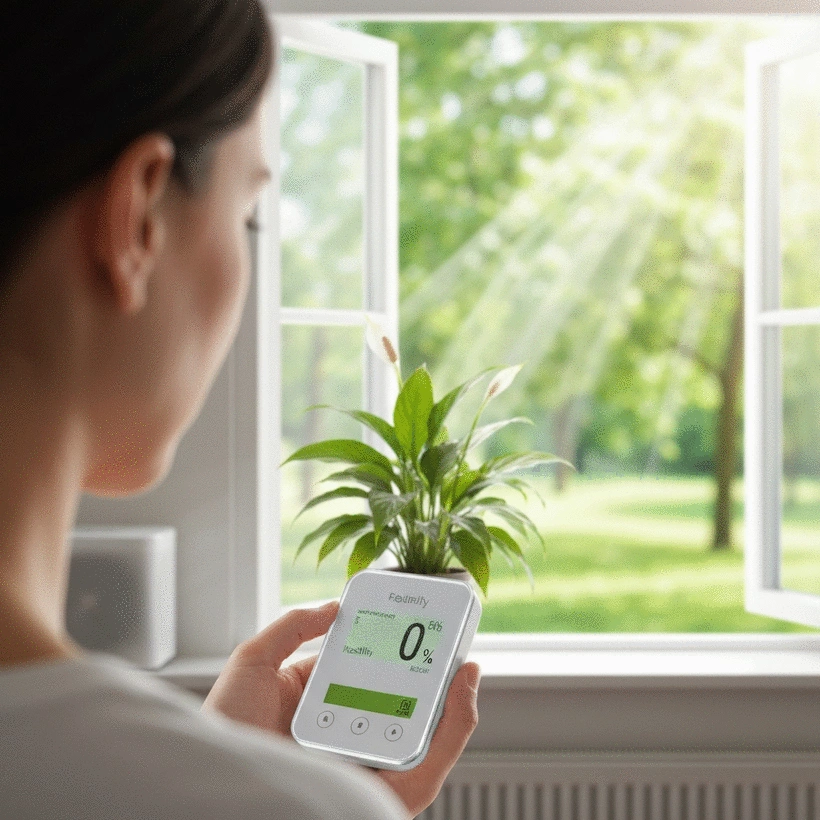
What if I told you that understanding air quality could significantly improve your allergy management? The link between air pollution and allergic reactions is often underestimated, yet it holds the key to better health for many individuals. Let's explore essential insights that can empower you to take control of your well-being.
What You Will Learn
- Key pollutants like PM2.5, ozone, carbon monoxide, and nitrogen dioxide can worsen allergy symptoms and respiratory conditions.
- Monitoring air quality is crucial; using tools like the Air Quality Index (AQI) helps you make informed decisions about outdoor activities.
- Pollution can exacerbate asthma, allergic rhinitis, and COPD, highlighting the importance of understanding your environment's impact on health.
- Engaging with community initiatives can promote cleaner air and foster a healthier environment for those with allergies.
- Regularly check local air quality indices and pollen counts to proactively manage your allergies, especially during peak seasons.
Understanding Air Pollutants and Their Impact on Allergies
This visual summarizes key air pollutants and their health impacts, along with the Air Quality Index (AQI) ratings and their implications for sensitive groups.
Main Air Pollutants Affecting Health
PM2.5
Fine particulate matter that can penetrate deep into the lungs, worsening respiratory issues.
Ozone
Ground-level ozone can trigger asthma attacks and allergic reactions.
Carbon monoxide (CO)
Reduces oxygen delivery in the body, leading to fatigue and exacerbated allergy symptoms.
Nitrogen dioxide (NO2)
Aggravates asthma and increases susceptibility to respiratory infections.
Pollution's Impact on Respiratory Issues
Asthma
Pollutants can trigger asthma attacks, making it harder to breathe.
Allergic Rhinitis
Increased irritants cause flare-ups of hay fever symptoms like sneezing and nasal congestion.
Chronic Obstructive Pulmonary Disease (COPD)
Air pollution can lead to more severe episodes and decreased overall health.
Air Quality Index (AQI) Ratings
Good (0-50)
Air quality is satisfactory, little or no risk.
Moderate (51-100)
Acceptable quality; moderate health concern for some pollutants.
Unhealthy for Sensitive Groups (101-150)
Sensitive groups may experience health effects.
Unhealthy (151-200)
Everyone may experience health effects; sensitive groups more serious effects.
Key Takeaways for Allergy Management
Stay updated on air quality reports to understand daily pollution levels.
Monitor your symptoms in relation to air quality changes.
Utilize technology, like apps and alerts, for real-time data.
Adjust daily routines based on air quality data and limit outdoor activities when AQI is high.
Understanding the Connection Between Air Quality and Allergies
As someone who has navigated the challenges of allergies, I know how crucial it is to understand the connection between air quality and allergic reactions. Many people overlook the impact that pollution can have on their health, especially for those of us with allergies. In this section, we'll delve into the various air pollutants that can affect our well-being and exacerbate allergy symptoms.
What Are the Main Air Pollutants Affecting Health?
Air pollution comprises various harmful substances that can significantly impact our respiratory health. Here are the main culprits:
- PM2.5: Fine particulate matter that can penetrate deep into the lungs, worsening respiratory issues.
- Ozone: Ground-level ozone can trigger asthma attacks and allergic reactions, especially during hot, sunny days.
- Carbon monoxide (CO): This colorless gas can reduce oxygen delivery in the body, leading to fatigue and exacerbated allergy symptoms.
- Nitrogen dioxide (NO2): Emitted from vehicles and industrial processes, NO2 can aggravate asthma and increase susceptibility to respiratory infections.
Understanding these pollutants is essential for managing your allergies effectively. For example, if you live in an area with high PM2.5 levels, it's vital to take precautions during high pollution days. For more detailed information on environmental factors impacting allergies, you can refer to recent research on environmental air pollution and allergies.
Exploring the Impact of PM2.5, Ozone, CO, and NO2
Each of these pollutants has unique effects on our bodies. PM2.5, for instance, has been linked to increased hospital visits for asthma and allergy-related issues. Ozone, while beneficial in the upper atmosphere, can harm our health when it exists at ground level. By keeping informed about the levels of these pollutants, we can make better choices to protect ourselves and our families from allergic reactions.

How Pollution Exacerbates Allergies and Respiratory Issues
Pollution does more than just cause immediate discomfort; it can significantly worsen chronic conditions. Many individuals with allergies, like myself, often find that poor air quality leads to heightened symptoms. Here’s a closer look at how pollution exacerbates these issues:
- Asthma: Pollutants can trigger asthma attacks, making it harder to breathe.
- Allergic Rhinitis: Increased irritants in the air can cause flare-ups of hay fever symptoms, such as sneezing and nasal congestion.
- Chronic Obstructive Pulmonary Disease (COPD): For those living with COPD, air pollution can lead to more severe episodes and decreased overall health.
It's important to recognize how intertwined pollution is with our allergy experiences. For instance, I always notice my symptoms flare up during high ozone days, making it vital to stay inside or limit outdoor activities. The Asthma and Allergy Foundation of America's Allergy Capitals report often highlights areas where pollution and pollen combine to create significant challenges for allergy sufferers.
The Role of Air Quality in Worsening Conditions Like Asthma, Allergic Rhinitis, and COPD
Research has shown that individuals suffering from respiratory conditions can see significant improvements when air quality is optimal. For example, controlling the levels of PM2.5 and ozone can lead to fewer asthma attacks, which is something I strive for in my own life. By understanding how different pollutants affect these conditions, we can advocate for cleaner air and healthier living environments.
The Importance of the Air Quality Index (AQI) in Assessing Health Risks
The Air Quality Index (AQI) is an invaluable tool for anyone managing allergies or respiratory issues. It provides real-time data about air quality levels, which can help us make informed decisions.
- Good (0-50): Air quality is considered satisfactory, and air pollution poses little or no risk.
- Moderate (51-100): Air quality is acceptable; however, for some pollutants, there may be a moderate health concern.
- Unhealthy for Sensitive Groups (101-150): Members of sensitive groups may experience health effects, but the general public is not likely to be affected.
- Unhealthy (151-200): Everyone may begin to experience health effects; members of sensitive groups may experience more serious health effects.
As someone deeply invested in allergy education, I encourage checking the AQI regularly, especially if planning outdoor activities. It can help you avoid exposure on days when the air quality is not conducive to your health.
Understanding AQI Ratings and Their Impact on Vulnerable Populations
Different demographics respond to air quality variances in unique ways. Vulnerable populations, such as children, the elderly, and those with pre-existing conditions, may face heightened risks. By being aware of AQI ratings, we can better protect ourselves and take necessary precautions to minimize health risks. The World Health Organization provides extensive resources on air quality guidelines and their health implications, particularly for vulnerable groups.
Did You Know?
According to the World Health Organization, over 90% of people worldwide breathe polluted air, which can significantly worsen allergy symptoms and respiratory conditions. Staying informed about air quality can be a crucial factor in managing your health!
Frequently Asked Questions About Air Quality and Allergies
- Q: How does air pollution worsen allergy symptoms?
- A: Air pollution contains various irritants like PM2.5, ozone, carbon monoxide, and nitrogen dioxide, which can directly irritate the respiratory system, trigger inflammation, and make allergy symptoms such as sneezing, nasal congestion, and asthma attacks more severe.
- Q: What is the Air Quality Index (AQI) and how can it help me manage my allergies?
- A: The AQI is a national index for reporting daily air quality. It tells you how clean or polluted your air is, and what associated health effects might be a concern. By checking the AQI, you can make informed decisions, such as limiting outdoor activities on days when air quality is unhealthy for sensitive groups.
- Q: Which specific pollutants are most harmful for individuals with allergies and respiratory conditions?
- A: PM2.5 (fine particulate matter), ground-level ozone, and nitrogen dioxide (NO2) are particularly harmful. PM2.5 can penetrate deep into the lungs, ozone can trigger asthma attacks, and NO2 aggravates asthma and increases susceptibility to respiratory infections.
- Q: How can I stay informed about local air quality levels?
- A: You can stay informed by checking local air quality indices regularly through resources like the EPA, WHO, and AirNow websites, or by using dedicated air quality apps and alerts.
- Q: What steps can I take to protect myself from poor air quality if I have allergies?
- A: You can protect yourself by monitoring air quality reports, limiting outdoor activities on high-pollution days, using air purifiers indoors, and advocating for cleaner air initiatives in your community. Adjusting daily routines based on real-time data is also crucial.
- Stay updated on air quality reports to understand daily pollution levels.
- Monitor your symptoms in relation to air quality changes.
- Utilize technology, like apps and alerts, to receive real-time data.
- Check local air quality indices regularly.
- Stay aware of pollen counts during allergy seasons.
- Adjust your daily routines based on air quality data.
- Support local initiatives aimed at improving air quality.
- Engage with community boards or groups focused on health and environment.
- Participate in awareness campaigns that educate others about allergy management.
- Lobby for local policies that regulate emissions and protect air quality.
- Educate your friends and family about the importance of air pollution awareness.
- Participate in clean-up efforts and local environmental initiatives.
- EPA (Environmental Protection Agency): Offers real-time air quality data and educational resources.
- WHO (World Health Organization): Provides global health guidelines and pollution data.
- AirNow: A reliable platform for tracking air quality in your area.
- Understand the main air pollutants: PM2.5, ozone, carbon monoxide, and nitrogen dioxide, which can worsen allergy symptoms.
- Monitor air quality using the Air Quality Index (AQI) to make informed decisions about outdoor activities, especially on high pollution days.
- Recognize the connection between air quality and chronic conditions like asthma and allergic rhinitis, and take necessary precautions to minimize exposure.
- Stay updated on air quality reports and utilize technology to receive real-time data to manage your allergies effectively.
- Engage with your community to advocate for cleaner air and support initiatives aimed at improving air quality.
Key Takeaways on the Impact of Air Quality on Allergies
Understanding the connection between air quality and allergies is essential for anyone affected by these conditions. By being aware of the potential risks posed by air pollution, we can take actionable steps to protect ourselves and our loved ones. Staying informed empowers us to make better decisions, ensuring that we can manage our allergies effectively and live our lives to the fullest.
Just like I strive to provide valuable resources through I’m Allergic, knowing how to interpret air quality information can help you adjust your activities, especially on high pollution days. For example, consider limiting outdoor activities when the air quality index (AQI) is high. This simple change can significantly improve your comfort and health.
Understanding the Importance of Air Quality Monitoring
Effective management of allergies begins with monitoring air quality. Recognizing how pollutants affect your health is crucial, especially if you suffer from conditions like asthma or allergic rhinitis. The more informed you are, the more proactive you can be in avoiding allergens that may trigger your symptoms.
By keeping track of these factors, you can actively participate in reducing your exposure to harmful pollutants. Remember, knowledge is power—just as I’ve learned through my journey with allergies, understanding your environment is a vital step toward better health!

The Need for Continued Research and Awareness
As we navigate this complex issue of air quality and allergies, it's essential to advocate for ongoing research and increased awareness. Community engagement plays a pivotal role in pushing for policy changes that promote cleaner air and healthier environments.
Engaging with your community can lead to significant changes. Just as I’ve created I’m Allergic to support others, your involvement can help create a ripple effect, encouraging more people to become aware of their environments and the impact on their health.
Join the Conversation: What Can You Do?
Now that we've covered the vital aspects of air quality's impact on allergies, it’s time to explore how you can take action. Each of us has a role in advocating for cleaner air and promoting better health in our communities. Let's delve into some practical steps you can take to make a difference!
How You Can Advocate for Cleaner Air Quality
Becoming an advocate for cleaner air quality involves both personal commitment and community involvement. Here are a few ways you can contribute:
As someone who’s passionate about allergy awareness, I encourage you to find your voice and share your story. When we speak up, we can collectively push for healthier communities, fostering a safer environment for everyone, especially those living with allergies.
Resources for Staying Informed on Air Quality and Health
Staying informed is easier than ever, thanks to various resources available online. Here are some helpful tools to keep you updated on air quality:
Using these resources can help you stay proactive about your health. Just as I share valuable insights through I’m Allergic, these organizations are dedicated to providing information that can empower you to manage your allergies and overall health effectively.
Recap of Key Points
Here is a quick recap of the important points discussed in the article: