Manage Allergies Naturally and Simply
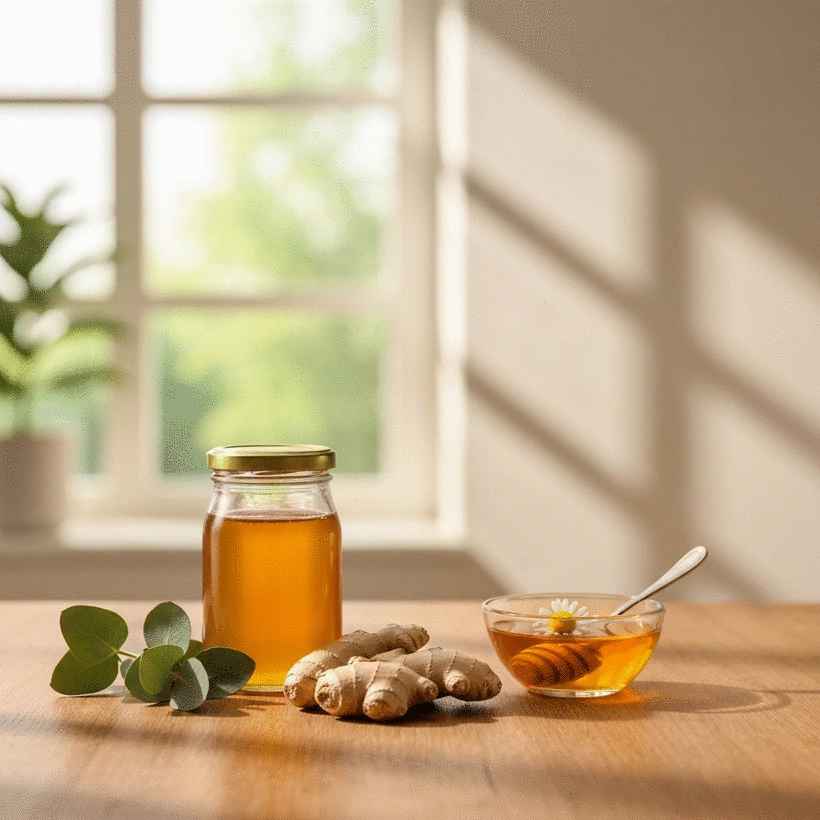
Natural remedies can offer more than just relief from allergy symptoms; they can empower you to take control of your health journey. By understanding how these methods work and what they involve, you can make informed choices tailored to your specific needs.
What You Will Learn
- Natural remedies, including herbal supplements and dietary changes, can enhance your immune system and reduce inflammation.
- Identifying common allergy triggers—seasonal and food-related—is crucial for effective management.
- Natural antihistamines such as quercetin and butterbur can help alleviate allergy symptoms.
- A balanced approach that combines natural remedies with medical guidance is essential for optimal allergy management.
- Consulting healthcare professionals before making significant changes can ensure your safety and effectiveness of treatment.
Navigating Natural Allergy Management
A visual guide to understanding common allergy triggers, natural antihistamines, and the importance of balancing natural remedies with medical guidance.
Common Allergy Triggers
Seasonal: Pollen, mold spores, dust
Food: Nuts, dairy, gluten, shellfish
Environmental: Pet dander, dust mites
Identifying your specific triggers is key to tailoring an effective natural remedy approach.
Natural Antihistamines
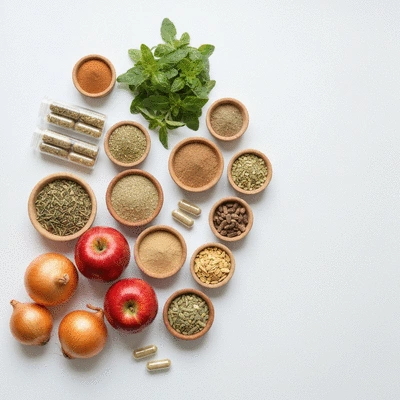
Quercetin: Found in apples & onions; stabilizes mast cells.
Butterbur: Herb for hay fever symptom relief.
Stinging Nettle: Reduces inflammation & allergy symptoms.
These substances help block histamine release, reducing allergic reactions.
Balancing Approaches
Consult Doctors: Discuss all remedies with healthcare providers.
Open Communication: Share current medications & allergies.
Evaluate: Regularly assess combined treatment effectiveness.
A harmonious blend of natural remedies and medical guidance is crucial.
Key Takeaways for Management
Incorporate: Herbal solutions and probiotics.
Consult: Before starting new treatments.
Monitor: Body's reactions to find what works best.
Finding the right balance is essential for enhancing overall well-being.
Understanding Natural Remedies for Allergies
When it comes to battling allergies, many people look for natural remedies as a way to find relief without relying solely on medications. But what exactly are these remedies, and how do they work? Natural remedies can include a range of practices and substances that aim to alleviate allergy symptoms by utilizing the body's own healing mechanisms. By understanding how these remedies operate, we can make informed choices about managing our allergies effectively.
Natural remedies often focus on enhancing the immune system and reducing inflammation. They can be derived from plants, herbs, or foods that have properties known to combat allergic reactions. For more information on various complementary health approaches for seasonal allergies, you can consult resources like the National Center for Complementary and Integrative Health (NCCIH). As someone who has navigated my own allergies, I can tell you firsthand that incorporating these remedies can make a significant difference in your overall well-being.
What Are Natural Remedies and How Do They Work?
Natural remedies encompass various treatments that come from nature, including herbal supplements, dietary changes, and home practices. These methods aim to support the body's natural functions and may help reduce the severity of allergy symptoms. For instance, certain herbs may act as natural antihistamines, countering the body's response to allergens.
- Herbal extracts and supplements
- Dietary adjustments
- Home practices like nasal irrigation
It’s important to note that while natural remedies can be beneficial, they should complement conventional treatments rather than replace them. Always consult with a healthcare provider, especially if you’re considering significant changes to your allergy management approach. Further general information on allergies and complementary health approaches is available from the NCCIH's 'Allergies at a Glance'.
Common Allergy Triggers: Seasonal vs. Food Allergies
Understanding the different types of allergens is crucial for effective management. Allergy triggers can be broadly categorized into seasonal allergens and food allergens. Seasonal allergies are often caused by pollen from trees, grasses, and weeds, leading to symptoms like sneezing, runny nose, and itchy eyes. Conversely, food allergies can be triggered by specific foods, leading to reactions that range from mild to potentially life-threatening.
- Seasonal Allergens: Pollen, mold spores, and dust.
- Food Allergens: Nuts, dairy, gluten, and shellfish.
- Environmental Allergens: Pet dander, dust mites, and certain chemicals.
By identifying your specific triggers, you can tailor your natural remedy approach. For example, if you know that your allergies are primarily seasonal, you might focus on remedies that target pollen, while also considering dietary changes to avoid food allergens.
Natural Antihistamines: How They Help in Allergy Relief
Natural antihistamines play a vital role in managing allergy symptoms. These substances help block the release of histamine, a chemical responsible for allergic reactions. Many people are surprised to learn that several common foods and herbs can act as effective natural antihistamines.
- Quercetin: Found in apples and onions, it stabilizes mast cells and reduces histamine release.
- Butterbur: A herb that has shown promise in clinical studies for alleviating hay fever symptoms.
- Stinging Nettle: This plant can help reduce inflammation and allergy symptoms when taken as a supplement.
Integrating these natural antihistamines into your routine can provide a holistic approach to allergy management. As I’ve learned through my journey with allergies, the right combination of natural remedies can lead to a more balanced and comfortable life. For example, research on vitamin D supplementation has shown potential benefits in allergic rhinitis, further highlighting the role of natural compounds.
We Want to Hear From You!
What natural remedies have you found to be most effective in managing your allergies? Share your thoughts or experiences below:
Summarizing Key Takeaways for Managing Allergies Naturally
As we wrap up our exploration of natural allergy management, it's essential to remember that finding the right balance is key. Natural remedies can complement traditional medical treatments, enhancing your overall well-being. However, it’s vital to seek guidance from healthcare professionals who can provide tailored advice based on your individual needs. After all, your health journey is unique, and getting a personalized approach can make all the difference!
- Incorporate natural remedies like herbal solutions and probiotics into your routine.
- Consult with healthcare professionals before starting any new treatments.
- Monitor your body's reactions to find what works best for you.
We at I’m Allergic understand the importance of education in managing allergies. By staying informed and proactive, you can navigate your allergy challenges more confidently!
Balancing Natural Remedies with Medical Guidance
When it comes to managing allergies, a harmonious balance between natural remedies and medical guidance is crucial. While many natural treatments, like quercetin and local honey, can provide relief, they should not replace prescribed medications or treatments without first consulting a healthcare professional. It’s all about working together for your health!
- Discuss any natural remedies you plan to use with your doctor.
- Be open about your current medications and allergies.
- Regularly evaluate the effectiveness of your combined approach.
This teamwork approach can help ensure that you're making safe and effective choices in your allergy management journey. Remember, you’re not alone in this process—lean on your healthcare team as your trusted allies!
Common Questions and Answers about Allergy Management
Many individuals have questions about managing allergies naturally. Here are a few common inquiries we encounter at I’m Allergic:
- Can I rely solely on natural remedies for my allergies? While natural remedies can help, they should be part of a broader management plan.
- How long does it take for natural remedies to work? Results can vary; some may experience relief quickly, while others may need consistent use over time.
- Are there any risks associated with natural remedies? Yes, always consult a healthcare provider to ensure there are no interactions with your current medications.
By addressing these questions, we hope to empower you with knowledge as you navigate your allergy management journey. It’s essential to stay informed and proactive!
Frequently Asked Questions (FAQs)
What are natural remedies for allergies?
Natural remedies for allergies include herbal supplements, dietary changes, and specific home practices designed to alleviate symptoms by supporting the body's natural functions. They often aim to enhance the immune system and reduce inflammation.
How do natural antihistamines work?
Natural antihistamines, such as quercetin, butterbur, and stinging nettle, help block the release of histamine. Histamine is a chemical in the body responsible for allergic reactions, so by reducing its release, these substances can alleviate allergy symptoms.
Is it safe to use natural remedies alongside prescribed allergy medications?
It is crucial to discuss any natural remedies you plan to use with your healthcare provider. This ensures there are no potential interactions with your current medications and that your combined approach is both safe and effective. Natural remedies should complement, not replace, conventional treatments unless advised by a professional.
What are common allergy triggers?
Common allergy triggers can be categorized into seasonal allergens (like pollen, mold spores, and dust), food allergens (such as nuts, dairy, gluten, and shellfish), and environmental allergens (including pet dander and dust mites). Identifying your specific triggers is key to effective management.
How can I find out what natural remedies work best for me?
Finding what works best involves a personalized approach. Start by identifying your specific allergy triggers and then research natural remedies that target those. Always consult with a healthcare professional before starting new treatments and monitor your body's reactions to assess effectiveness. Sharing experiences with support groups can also provide valuable insights.
Taking the Next Step Towards Allergy Relief
Resources for Further Information on Natural Remedies
Exploring natural remedies can feel overwhelming at times, but there are plenty of resources available to help you on your journey. Here are a few that I recommend:
- Books: Look for reputable authors who specialize in allergy management and natural health.
- Websites: Trusted health websites often provide valuable insights and the latest research.
- Support Groups: Connecting with others facing similar challenges can provide both support and practical tips.
Don’t hesitate to reach out and discover what works best for you. Remember, knowledge is power!
Encouragement to Share Your Journey with Natural Allergy Management
Your journey with allergies is uniquely yours, and sharing it can foster a sense of community and support. I encourage you to connect with others, whether through social media or local support groups, to share your experiences with natural remedies. You might inspire someone else to take control of their allergy journey!

At I’m Allergic, we believe in the power of community. Have you found a natural remedy that worked wonders for you? We'd love to hear your story! Share your insights and let's create a supportive network for those navigating the challenges of allergies.
Recap of Key Points
Here is a quick recap of the important points discussed in the article:
- Natural remedies can enhance the immune system and reduce inflammation to alleviate allergy symptoms.
- Common natural antihistamines include quercetin, butterbur, and stinging nettle, which can help manage allergy symptoms.
- Identifying specific allergy triggers is crucial for tailoring natural remedy approaches effectively.
- Natural remedies should complement, not replace, conventional treatments; always consult with a healthcare provider.
- Community support and shared experiences can empower individuals in their allergy management journeys.