Insect Allergies vs. Environmental Allergies

Understanding the nuances between insect and environmental allergies can transform how you manage your health. With the right knowledge, you can take proactive steps to reduce your exposure and improve your quality of life.
What You Will Learn
- Identify the main causes: Distinguish between insect allergies (e.g., stings from bees, wasps, and fire ants) and environmental allergies (e.g., pollen, dust mites, and mold).
- Recognize symptoms: Understand immediate reactions from insect allergies versus long-term symptoms from environmental allergies.
- Learn about triggers: Differentiate between venom from insect stings and pollutants like pollen and dust that trigger environmental allergies.
- Explore diagnosis and treatment: Familiarize yourself with various diagnostic methods and treatment options tailored to each type of allergy.
- Understand the overlap: Discover how some insects may contribute to environmental allergies and how they can exacerbate asthma symptoms.
- Know when to seek help: Assess when it’s necessary to consult a healthcare professional for allergy testing and personalized management plans.
Insect Allergies vs. Environmental Allergies: A Comparative Overview
This visual highlights the key distinctions and similarities between insect and environmental allergies, covering symptoms, triggers, diagnosis, and treatment approaches.
Insect Allergies
Symptoms:
Immediate reactions (anaphylaxis, localized swelling).
Triggers:
Venom from stings/bites (bees, wasps, fire ants).
Diagnosis:
Physical exam, medical history, skin tests.
Treatment:
Antihistamines, epinephrine.
Environmental Allergies
Symptoms:
Long-term (sneezing, itchy eyes, nasal congestion).
Triggers:
Pollutants (pollen, dust mites, mold spores, pet dander).
Diagnosis:
Skin prick tests, blood tests, medical history.
Treatment:
Antihistamines, corticosteroids, immunotherapy.
Understanding Allergies: Insect vs. Environmental
When it comes to allergies, many people often find themselves confused between insect allergies and environmental allergies. Both can cause discomfort and serious health issues, but they stem from very different sources. As someone who has navigated these challenges, I know that understanding the distinctions can be a game changer in managing your reactions effectively!
Defining Insect Allergies
Insect allergies arise from reactions to specific insects or their by-products. Common culprits include bees, wasps, and certain types of ants. When these insects sting or their allergens enter your body, it can trigger a range of responses from mild irritation to severe reactions. For those who are allergic, it’s crucial to recognize these insects and their associated risks.
- Bees: Their stings can cause anaphylaxis in sensitive individuals.
- Wasps: Different species can attack in groups, increasing risk.
- Ants: Fire ants, in particular, are notorious for potent venom.
Recognizing these insects and understanding your allergy can help you avoid stings and manage your environment better. Remember, awareness is key!

Defining Environmental Allergies
Now let’s talk about environmental allergies, which are often triggered by everyday elements around us. Common allergens include pollen, dust mites, and mold spores, all of which can significantly impact your health, especially during peak seasons!
- Pollen: This is prevalent during certain times of the year, particularly in spring and fall.
- Dust mites: Tiny creatures that thrive in bedding and carpets.
- Mold spores: Can be found in damp areas, both indoors and outdoors.
Understanding these common environmental allergens helps you take steps toward reducing your exposure. With a little knowledge and proactive management, you can breathe easier and feel more in control of your health!
Key Differences Between Insect Allergies and Environmental Allergies
Symptoms: Immediate vs. Long-term Reactions
The symptoms of insect allergies typically manifest immediately after exposure. For instance, you may experience swelling, redness, or even anaphylaxis following a sting. On the other hand, environmental allergies often produce long-term reactions, such as sneezing, itchy eyes, and nasal congestion, which can last for days or weeks.
- Insect allergy symptoms: Anaphylaxis, localized swelling, and pain.
- Environmental allergy symptoms: Sneezing, itchy eyes, and allergic rhinitis.
Being aware of these differences can help you recognize when you're having an allergic reaction and how to respond promptly. It’s important to listen to your body!
Triggers: Venom vs. Pollutants
Insect allergies are triggered by venom from stings or bites, which can lead to severe reactions. Conversely, environmental allergies are driven by exposure to various pollutants like pollen and dust, affecting individuals over a longer period. Understanding your specific triggers is essential for effective allergy management.
- Insect triggers: Venom from stings or bites.
- Environmental triggers: Pollen, dust, mold, and pet dander.
By identifying your triggers, you can create a safer environment and take proactive steps to minimize exposure. This is crucial in managing your allergies effectively!
Diagnosis and Treatment Approaches
Diagnosing insect and environmental allergies involves different methods. Insect allergies are typically diagnosed through a physical examination and a thorough medical history, often followed by skin tests. Environmental allergies, on the other hand, may require more extensive testing to pinpoint specific allergens.
- Diagnosis methods: Skin prick tests, blood tests, and medical history reviews.
- Treatment options: Antihistamines, corticosteroids, and immunotherapy.
Each allergy type requires tailored treatment approaches to effectively reduce symptoms and improve quality of life. It’s always best to consult with an allergy specialist to find the right plan for you!
Comparison Table: Insect Allergies vs. Environmental Allergies
| Aspect | Insect Allergies | Environmental Allergies |
|---|---|---|
| Symptoms | Immediate reactions, e.g., anaphylaxis | Long-term symptoms, e.g., sneezing |
| Triggers | Venom from stings | Pollen, dust, mold |
| Diagnosis | Skin tests, medical history | Skin and blood tests |
| Treatment | Antihistamines, epinephrine | Antihistamines, immunotherapy |
This comparison highlights the critical distinctions between insect and environmental allergies, reinforcing the importance of understanding each type. Knowledge empowers you to take control of your health and well-being!
Overlap Between Insect and Environmental Allergies
The Role of Insects in Environmental Allergies
Interestingly, some insects can also contribute to environmental allergy symptoms. For instance, cockroaches are notorious for triggering asthma and allergic reactions. Cross-reactivity can occur, meaning that someone allergic to one type of allergen may also react to others.
Understanding this overlap is crucial for those who may experience symptoms from multiple sources! For further reading on the complex interplay of allergic reactions, you can explore this research on insect allergens and cross-reactivity.
Asthma and Allergic Reactions
There’s a significant connection between insect allergies, environmental allergies, and asthma triggers. In fact, certain allergens can exacerbate asthma symptoms, impacting overall respiratory health. Eosinophils, a type of white blood cell, play a vital role in allergic reactions and asthma, leading to inflammation and additional challenges. To delve deeper into how environmental allergens impact respiratory health, consider this article from the Journal of Allergy and Clinical Immunology.
Recognizing the interconnectedness of these allergies can lead to better management strategies and improved quality of life!
Pro Tip
Did you know? Keeping a detailed allergy diary can significantly aid in managing your allergies. By tracking your symptoms, exposures, and environmental conditions, you can pinpoint specific triggers and patterns. This proactive approach empowers you to make informed decisions and seek appropriate treatment when needed.
Frequently Asked Questions About Allergies
Here are some common questions about insect and environmental allergies:
- Q: What are the main differences between insect and environmental allergy symptoms?
- A: Insect allergies typically cause immediate reactions like anaphylaxis or localized swelling, while environmental allergies often result in long-term symptoms such as sneezing, itchy eyes, and nasal congestion.
- Q: What triggers insect allergies?
- A: Insect allergies are primarily triggered by venom from stings or bites from insects like bees, wasps, and fire ants.
- Q: What are common environmental allergy triggers?
- A: Common environmental triggers include pollen, dust mites, mold spores, and pet dander.
- Q: How are insect allergies diagnosed?
- A: Insect allergies are usually diagnosed through a physical examination, medical history review, and skin tests.
- Q: What are the treatment options for environmental allergies?
- A: Treatment options for environmental allergies include antihistamines, corticosteroids, and immunotherapy.
- Q: Can insects cause environmental allergy symptoms?
- A: Yes, some insects, like cockroaches, can contribute to environmental allergy symptoms and exacerbate conditions like asthma.
- Q: When should I seek professional help for my allergies?
- A: It's advisable to consult a healthcare professional if your symptoms are severe, persistent, or significantly impact your quality of life. Allergy testing can help identify specific triggers and guide personalized management plans.
Evaluating Your Allergy Symptoms: When to Seek Help
Understanding your allergy symptoms is crucial in managing your health effectively. At I’m Allergic, I encourage you to take a moment to assess how you feel. Are your symptoms mild or severe? Recognizing the signs can help you decide when it's time to seek professional help. It's also essential to consider allergy testing, which can provide clarity on what triggers your reactions. For a comprehensive understanding of diagnosing and treating allergic diseases, this article offers valuable insights: Diagnosing and Treating Allergic Diseases.
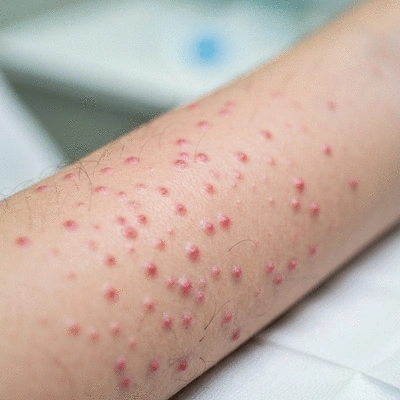
Many people think they can manage their symptoms alone, but that can lead to complications. Allergy testing, such as skin tests or blood tests, can pinpoint specific allergens. This knowledge is empowering and can guide you toward effective treatment options. Remember, your health is worth it!
Final Thoughts on Insect Allergies and Environmental Allergies
In conclusion, understanding the differences and similarities between insect allergies and environmental allergies is vital for effective management. Both types of allergies can significantly impact your quality of life, and recognizing the symptoms is the first step toward relief. From the immediate danger of insect stings to the persistent discomfort caused by environmental allergens, being informed can help you navigate your experiences.
Allergies are common, and you’re not alone in this journey. With proper awareness and management strategies, you can live a fulfilling life despite these challenges. The key takeaway is that knowledge is power—knowing what you're allergic to can make all the difference in how you approach your daily life.
Call to Action: Get Tested for Allergies
Now that you've learned about the impacts of allergies, I invite you to take the next step. Consult your healthcare professional for personalized allergy testing and management plans. Don’t underestimate the health impact of long-term exposure to allergens! Together, we can create a safer environment for you, enhancing your quality of life.
If you have stories to share or questions about your experiences with allergies, feel free to reach out! At I’m Allergic, we’re here to support you every step of the way. Let’s tackle allergies together!
Recap of Key Points
Here is a quick recap of the important points discussed in the article:
- Insect Allergies: Caused by reactions to stings or by-products from insects like bees, wasps, and ants.
- Environmental Allergies: Triggered by allergens such as pollen, dust mites, and mold, often impacting individuals over longer periods.
- Symptoms Distinction: Insect allergies typically result in immediate reactions, while environmental allergies often cause long-term symptoms.
- Diagnosis Methods: Insect allergies are diagnosed via skin tests and medical history, while environmental allergies may require more extensive testing.
- Management Strategies: Identifying triggers and understanding symptoms are crucial for both types of allergies to improve quality of life.