Medication Allergy Emergency Plan Steps
Crafting a medication allergy emergency plan can make all the difference in managing unexpected allergic reactions. The importance of preparedness cannot be overstated, especially when every second counts in a crisis. Here are the key takeaways to help you understand how to design a plan that works for you.
What You Will Learn
- Immediate action can significantly reduce the severity of allergic reactions, particularly in emergencies.
- A written allergy emergency plan serves as a crucial reference for caregivers, ensuring swift and accurate responses during a crisis.
- Regularly updating your allergy emergency plan is essential to reflect any changes in health, medication, or allergens.
- Utilizing community resources and digital tools can enhance your awareness and preparedness for managing allergies effectively.
Key Aspects of an Allergy Emergency Plan: A Visual Guide
An effective allergy emergency plan involves several critical components that ensure preparedness for unexpected allergic reactions.
Importance of Immediate Action
Recognizing symptoms early, prompt intervention, and minimizing panic during a crisis are crucial for managing allergic reactions effectively.
Maintaining & Updating Plan
- Review at least twice a year.
- Incorporate new allergens & health changes.
- Utilize alerts & community resources.
Resources for Development
- Downloadable templates & checklists.
- Digital tools & apps (e.g., Allergy Amulet).
- Well-stocked emergency kits.
The Role of a Written Plan
Provides clear instructions for caregivers, ensures vital information is available, and fosters confidence in crisis management.
Understanding the Importance of a Medication Allergy Emergency Plan
Living with allergies can be challenging, especially when it comes to managing medications. One of the most critical steps you can take is to have a medication allergy emergency plan in place. This plan not only prepares you for unexpected allergic reactions but also ensures that your loved ones and caregivers are well-informed and ready to act swiftly.
As someone who has navigated the complexities of allergies for years, I understand that immediate action matters. When an allergic reaction occurs, every second counts. Having a structured plan can be the difference between a minor incident and a life-threatening situation.
Why Immediate Action Matters for Allergic Reactions
When faced with an allergic reaction, especially to medications, immediate intervention is crucial. The body's response can escalate quickly, leading to severe symptoms such as anaphylaxis. Knowing how to respond can save lives!
- Recognizing symptoms early can lead to faster treatment.
- Prompt action can limit the severity of the reaction.
- Having a plan minimizes panic and confusion during a crisis.
At I’m Allergic, we believe that understanding the importance of timing in emergencies enhances your ability to manage allergies effectively. That’s why I encourage you to think ahead and prepare your emergency plan.
The Role of a Written Allergy Emergency Plan
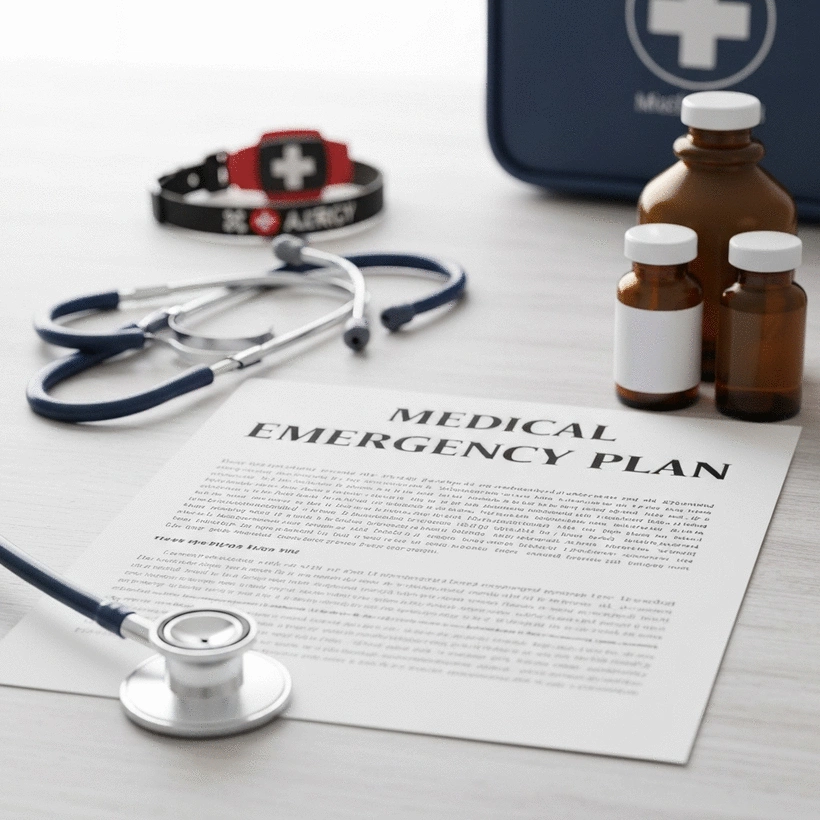
A written allergy emergency plan is your roadmap to safety. It outlines procedures, essential contacts, and critical information that can be quickly referenced when every moment counts. This plan is not just for you; it’s a valuable tool for anyone who may need to assist you in an emergency.
- It provides clear instructions for caregivers and bystanders.
- It ensures that vital information is readily available.
- It fosters confidence in your ability to manage potential crises.
Creating a written plan helps empower you and your support system. I often remind individuals that knowledge is key—the more informed you are, the better prepared you’ll be to handle any situation that arises. For further guidance, the Food Allergy Research & Education (FARE) website offers valuable resources on creating an emergency care plan.

Key Components of an Effective Allergy Emergency Plan
Creating an effective allergy emergency plan involves several critical components that need to be thoughtfully considered. This plan should be tailored to your specific needs and circumstances, ensuring that you’re fully prepared for any allergic reaction.
Let’s dive into the essential elements you should include in your allergy emergency plan.
We Want to Hear From You!
Have you ever faced a situation where you had to use your allergy emergency plan? What was your experience like? Share your thoughts below:
Frequently Asked Questions (FAQs)
- What is a medication allergy emergency plan?
- A medication allergy emergency plan is a structured document that outlines procedures, essential contacts, and critical information to guide swift action during an unexpected allergic reaction to medication.
- How often should I review and update my allergy emergency plan?
- It is recommended to review and update your allergy emergency plan at least twice a year to reflect any changes in your health status, known allergens, or medications.
- Why is a written plan important?
- A written plan provides clear instructions for caregivers and bystanders, ensures vital information is readily available, and helps minimize panic during a crisis, ultimately fostering confidence in managing potential emergencies.
- What should an emergency kit for allergic reactions include?
- An essential allergy emergency kit should include epinephrine auto-injectors, antihistamines, a medical alert bracelet or card, and emergency contact information.
- Where can I find resources to help develop my plan?
- Resources include downloadable templates and checklists, digital tools and apps (like Allergy Amulet), local allergy support groups, online forums, and websites dedicated to allergy awareness and updates.
Maintaining and Updating Your Allergy Emergency Plan
Creating an effective allergy emergency plan is just the first step; it’s vital to keep it current as your circumstances change. Regularly reviewing and updating your plan ensures that it reflects your current health status, known allergens, and any new medications. Think of it as a living document that evolves with you!
Many people overlook the significance of this ongoing process. But just like we give attention to our daily health routines, our emergency plans deserve the same care!
Regular Review and Revision of the Plan
How often should you review your allergy emergency plan? I recommend at least twice a year. This allows you to catch any changes in your health or medication needs. During your review, consider these key aspects:
- Are there any new allergies that need to be documented?
- Have your medications changed or been adjusted?
- Do your emergency contacts need updating?
Keeping a checklist handy can help make this review process smooth and stress-free! The American Academy of Pediatrics' HealthyChildren.org provides excellent guidance on creating and maintaining an allergy and anaphylaxis emergency plan.
Incorporating New Allergen Information and Changes in Health
Your body is always changing, and so are your allergens. As someone who has navigated allergy challenges, I've learned that staying informed is key. Make sure to include any newly identified allergens or reactions in your plan. This can help prevent accidental exposures and keep you safe.
Don’t forget to communicate these changes to your family, caregivers, and schools! An informed support network is crucial for your safety.
Allergy Alerts and Community Resources for Ongoing Support
Staying connected with your community can be a great source of support and information. Seek out allergy alerts and resources that can help you stay informed about local outbreaks or recalls. These resources can include:
- Local allergy support groups
- Online forums for sharing experiences and advice
- Websites dedicated to allergy awareness and updates
Utilizing these resources can make a significant difference in your well-being. Remember, you are not alone in this journey!

Resources for Developing Your Allergy Emergency Plan
In our digital age, creating and updating your allergy emergency plan has never been easier! There are a variety of resources available that can streamline this process, making it accessible and efficient.
Downloadable Templates and Checklists for Easy Reference
One of the simplest ways to get started is by using downloadable templates and checklists. These tools can help you organize essential information about your allergies and emergency procedures. I often recommend having both a physical and digital copy of your plan. Here’s what to include:
- Personal medical history
- Emergency contact details
- List of known allergens
Having these templates at your fingertips means you’re always prepared, whether you’re at home or on the go! For a detailed understanding of the components of an anaphylaxis action plan, you can refer to insights published in PMC, National Library of Medicine.
Utilizing Digital Tools and Apps for Emergency Preparedness
There are fantastic apps designed specifically for managing allergies. They can provide timely reminders about medication dosages and track your symptoms. Some popular options include:
- Allergy Amulet
- My Allergy Buddy
- Allergy EpiPen Tracker
These digital tools not only enhance your preparedness but can also empower you to take control of your allergy management!
Emergency Kits: Essential Items for Allergic Reactions
Every allergy emergency plan should include a well-stocked emergency kit. This kit should be easily accessible and contain items that can help during an allergic reaction. Here’s a quick checklist for what to include:
- Epinephrine auto-injectors
- Antihistamines
- Medical alert bracelet or card
- Emergency contact information
Having these items ready can provide peace of mind and enhance your confidence in handling unexpected allergic reactions!
Final Thoughts on Creating Your Medication Allergy Emergency Plan
In my experience, one of the most important aspects of managing allergies is preparedness. By crafting an effective allergy emergency plan, you’re taking significant strides toward living a safe and fulfilling life.
As you work on your plan, remember to involve your caregivers and schools in the process. This collaboration ensures that everyone understands their role in keeping you safe!
The Importance of Preparedness in Allergy Management
Preparedness is about more than just having a plan; it’s about creating a supportive environment where you can thrive. The more prepared you are, the less stress you’ll experience. You’ll be able to focus on enjoying life rather than worrying about potential allergic reactions.
Encouragement to Share Your Plan with Caregivers and Schools
Don’t hesitate to share your allergy emergency plan with those around you. Open communication fosters understanding, making it easier for your friends, family, and teachers to support you effectively.
Training Programs and Resources for Allergy Awareness
Lastly, consider enrolling in local training programs or workshops focused on allergy awareness. These can be incredibly beneficial for both you and your support network, ensuring everyone knows how to react appropriately in an emergency.
Recap of Key Points
Here is a quick recap of the important points discussed in the article:
- Having a medication allergy emergency plan is vital for quick response during allergic reactions.
- A written plan provides clear instructions for caregivers and ensures vital information is accessible.
- Regularly review and update your allergy emergency plan to reflect changes in health and medications.
- Incorporate new allergen information and communicate changes with your support network.
- Utilize local resources and support groups to stay informed and connected.
- Maintain an emergency kit containing essential items for managing allergic reactions.