Climate Change and Allergies Connection
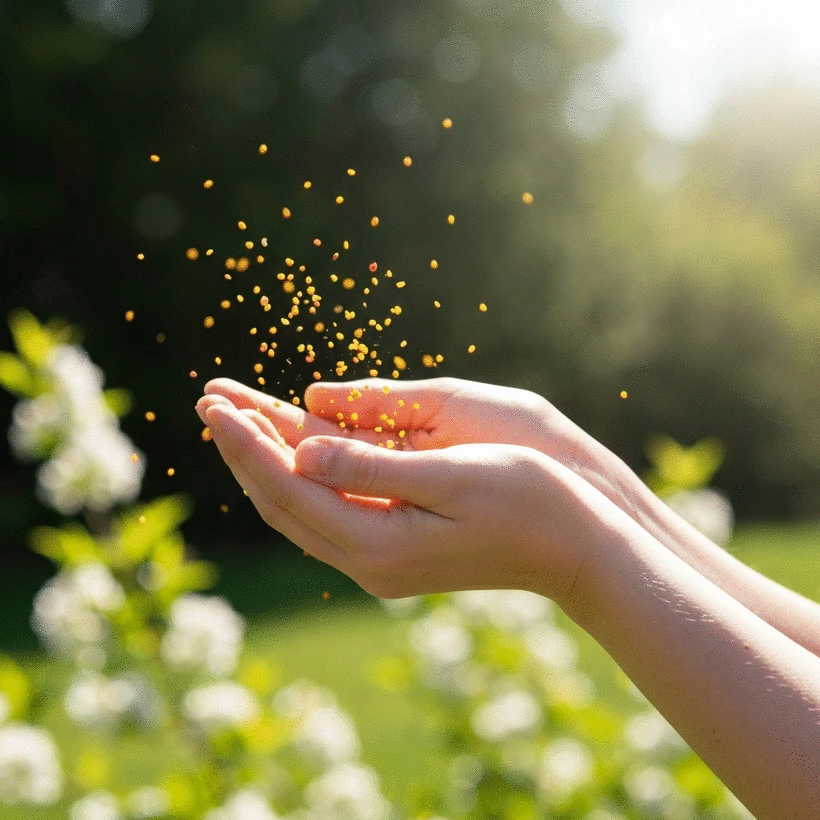
As climate change accelerates, its impact on environmental allergies grows increasingly concerning. With pollen levels projected to rise significantly, understanding this relationship offers essential insights for managing allergies and advocating for change.
What You Will Learn
- Rising temperatures and shifting weather patterns lead to extended growing seasons for allergenic plants.
- Increased levels of atmospheric CO2 can enhance the production of pollen, particularly from common allergens like ragweed.
- Climate change is resulting in longer pollen seasons, increasing exposure for allergy sufferers.
- Certain populations, including children, the elderly, and those with pre-existing conditions, are more vulnerable to climate-induced allergies.
- There are actionable strategies, such as using air purifiers and staying indoors during high pollen days, that can help manage symptoms effectively.
- Advocacy for stricter environmental regulations and investment in green spaces is vital for reducing allergy-related health issues.
- Utilizing technology, like pollen forecast apps, can empower individuals to stay informed and manage their allergies proactively.
Climate Change: Impact on Allergies
The relationship between climate change and allergies is growing, with extended seasons and increased pollen production. Below is a visual representation of key statistics and predictions.
Pollen Levels U.S. Projected Rise By
30%
by 2050 (AAAAI)
Ragweed Pollen Increase in High CO2 Conditions
50%+
(Research Indication)
Key Drivers of Increased Allergens
- Extended Growing Seasons: More time for pollen production.
- Increased CO2 Levels: Enhances allergenic plant growth.
- Changing Weather Patterns: Leads to extreme pollen counts.
Vulnerable Groups
- Children: Developing immune systems.
- The Elderly: Compromised immune systems.
- Pre-existing Conditions: Asthma, respiratory issues.
The Impact of Climate Change on Environmental Allergies
As we look around us, it’s hard to ignore the effects of climate change, especially on our health. Recent studies have shown a notable increase in environmental allergies, which can be alarming for those of us who are affected. In fact, according to the American Academy of Allergy, Asthma, and Immunology (AAAAI), pollen levels in the United States are projected to rise by 30% by 2050. The urgency of understanding how climate change intertwines with our allergies has never been more critical!
For those living with allergies, the connection between climate change and heightened allergen exposure can feel overwhelming. But by shedding light on these issues, we can learn to manage our symptoms and advocate for change.
Understanding the Relationship Between Climate Change and Allergies
The relationship between climate change and allergies is complex but fascinating. As temperatures rise and weather patterns shift, we experience longer growing seasons for plants, which ultimately leads to increased pollen production. This is not just a statistic on a page; it translates to very real consequences for our daily lives.
- Extended growing seasons: More time for plants to produce pollen means more exposure for allergy sufferers.
- Increased CO2 levels: Higher CO2 levels directly enhance the growth of allergenic plants.
- Changing weather patterns: Unpredictable weather can lead to more extreme pollen counts.
We must recognize that understanding this relationship is a step toward empowering ourselves and finding ways to cope with our allergies.
The Mechanisms Behind Increased Allergens
How Rising CO2 Levels Influence Pollen Production
One of the most significant factors contributing to the rise in allergens is the increase in atmospheric CO2 levels. Plants thrive on this gas, and as more of it enters our atmosphere, they produce even more pollen. For those of us who suffer from allergies, this means we may experience more severe symptoms during peak pollen seasons.

Research indicates that ragweed, one of the most common allergens, can produce up to 50% more pollen in high CO2 conditions. This is a staggering increase that we can’t afford to ignore!
Extended Pollen Seasons and Their Consequences
Climate change is not just extending the amount of pollen produced but also the duration for which it’s present in the air. Traditionally, allergy seasons would have a defined start and end. However, with climate shifts, we’re witnessing prolonged pollen seasons that can last for months longer than before. This means a longer struggle for those of us who are affected.
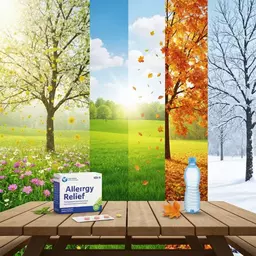
- Spring: Pollen from trees begins earlier and lasts longer.
- Summer: Grass pollen remains prevalent for extended periods.
- Fall: Ragweed pollen has been recorded well into late autumn.
With these extended seasons, it’s crucial to stay vigilant and informed about our exposures.
Impact of Weather Patterns on Allergen Levels
Weather patterns are undergoing significant changes due to climate change, which influences allergen levels throughout the year. For instance, wetter springs can increase mold spores, while hotter summers may lead to higher pollen counts. These shifts can complicate our already challenging journey as allergy sufferers. For further information on how climate impacts allergies and specific allergens like pollen, you can refer to resources from Climate.gov, which provides detailed insights into these connections.
Understanding these weather-related changes can help us prepare better for allergy seasons and take proactive steps to minimize our exposure.
Health Impacts of Climate Change-Induced Allergies
Common Allergic Reactions and Symptoms to Watch For
With increased pollen and extended seasons, it’s vital to recognize the symptoms that may arise. Common reactions include:
- Allergic rhinitis: Sneezing, runny nose, and itchy eyes.
- Asthma: Increased wheezing and shortness of breath.
- Eczema: Skin irritations and flare-ups that can worsen with allergen exposure.
Being aware of these symptoms can empower us to seek the right treatment promptly!
Vulnerable Groups: Who is at Greater Risk?
Some populations are more susceptible to the impacts of climate change on allergies. This includes:
- Children: Their immune systems are still developing.
- The elderly: Older adults often have compromised immune systems.
- Individuals with pre-existing conditions: Those with asthma or other respiratory issues face heightened risks.
Recognizing these vulnerable groups helps us advocate for more focused resources and support. The CDC also offers extensive information on how climate change affects allergens and pollen, detailing specific health impacts on various populations.
Scientific Evidence and Studies Supporting the Link
Key Research Findings from Leading Institutions
Numerous studies highlight the connection between climate change and increased pollen levels. The AAAAI and Harvard University have conducted extensive research, demonstrating how climate factors influence both pollen production and respiratory health. Their findings reveal a direct correlation between rising temperatures and the prevalence of allergic conditions.
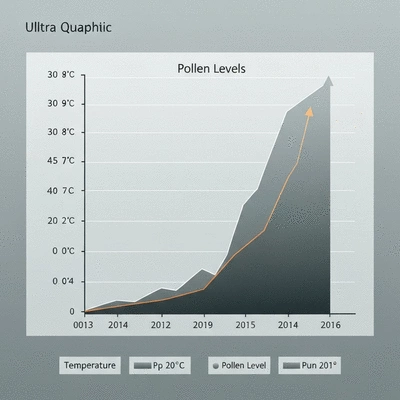
This evidence not only strengthens our understanding but also encourages us to support initiatives aimed at combating climate change.
Future Predictions: Allergies in 2050 and Beyond
Looking ahead, projections for allergies due to climate change paint a concerning picture. Experts anticipate a dramatic rise in allergic reactions, with models suggesting that we could see a doubling of individuals affected by allergies by 2050. This underscores the need for us to act now, adapting our strategies for managing allergies.
By staying informed and engaged, we can advocate for changes that will benefit our communities and protect those with allergies.
Content Gaps: What’s Missing in Current Discussions?
Personal Prevention Strategies for Allergy Sufferers
While understanding the relationship between climate change and allergies is critical, we also need actionable strategies to cope. Simple yet effective steps include:
- Using air purifiers to reduce indoor allergens.
- Taking medications as prescribed, especially during peak seasons.
- Implementing lifestyle changes like staying indoors on high pollen days.
Being proactive can greatly improve our quality of life!
The Economic Burden of Climate Change on Healthcare
It’s important to recognize the economic implications of rising allergic disease cases. Increased medical visits, treatments, and emergency care due to allergy-related complications can create a significant financial burden on families and healthcare systems alike. Understanding these costs is crucial for advocating for better healthcare policies.
The Role of Indoor and Outdoor Air Quality in Allergy Management
Finally, we must consider how air quality affects our allergies. Both indoor and outdoor environments play a role in our exposure to allergens. Strategies for improvement include:
- Regulating indoor air quality with proper ventilation and air filters.
- Monitoring outdoor air quality levels, especially during pollen seasons.
By focusing on air quality, we can take tangible steps toward managing our allergies more effectively.
Pro Tip
To effectively manage your allergies in a changing climate, consider keeping a daily allergy diary. Track your symptoms, pollen counts, and weather conditions to identify patterns. This can help you anticipate high pollen days and adjust your activities accordingly, ensuring you're better prepared to mitigate your symptoms!
Frequently Asked Questions About Climate Change and Allergies
How does climate change cause an increase in pollen levels?
Climate change leads to rising temperatures and altered weather patterns, resulting in extended growing seasons for plants. This longer growing period allows allergenic plants to produce pollen for a more prolonged duration, and increased atmospheric CO2 levels can also stimulate plants to produce more pollen, particularly from common allergens like ragweed.
Which populations are most vulnerable to climate-induced allergies?
Children, whose immune systems are still developing, and the elderly, who often have compromised immune systems, are particularly vulnerable. Additionally, individuals with pre-existing conditions such as asthma or other respiratory issues face heightened risks due to increased allergen exposure.
What are some effective personal strategies for managing allergies in a changing climate?
Effective personal strategies include using air purifiers to reduce indoor allergens, taking prescribed medications consistently, and adjusting daily activities by staying indoors on days with high pollen counts. Utilizing pollen forecast apps can also help individuals plan ahead and minimize exposure.
How can advocacy help address the impact of climate change on allergies?
Advocacy plays a crucial role in promoting policies such as stricter regulations on emissions to reduce overall pollen levels and investing in green spaces to improve air quality. Supporting allergy awareness programs and ensuring health equity within communities can also help individuals better manage their allergies and mitigate the broader health impacts.
What is the economic impact of climate change on allergy-related healthcare?
The economic burden includes increased medical visits, treatments, and emergency care due to more frequent and severe allergic reactions. These rising healthcare costs create a significant financial strain on both individual families and national healthcare systems, highlighting the need for preventative measures and supportive policies.
Taking Action Against Climate Change and Allergies
Adapting to Changing Conditions: Tools and Resources
As climate change continues to alter our environment, it’s crucial to equip ourselves with the right tools to manage allergies effectively. There are several apps and resources available that can help you stay informed about pollen levels and other allergy-related information. Here’s a quick rundown of useful tools:
- Pollen Forecast Apps: Applications like Pollen.com and Weather.com provide daily forecasts, allowing you to plan your outdoor activities around high pollen days.
- Allergy Management Apps: Apps such as AllergyEats help you locate allergy-friendly restaurants and safe food options while dining out.
- Symptom Trackers: Tools like My Allergy Friend let you log symptoms and track triggers, helping you identify patterns and manage your condition more effectively.
By using these resources, you can take proactive steps to minimize your exposure to allergens. It’s all about being prepared and informed, which can make a significant difference in your quality of life!
Policy Needs: Advocating for Change
To truly combat the growing impacts of climate change on allergies, we need robust environmental policies that prioritize health. Advocacy plays a vital role in shaping these policies. Here are some key areas where action is needed:
- Stricter Regulations: Implementing tighter regulations on emissions can help reduce the overall pollen levels in our environment.
- Investment in Green Spaces: Promoting urban green spaces can improve air quality and provide habitats for beneficial insects.
- Allergy Awareness Programs: Support for community education initiatives can help individuals better understand and manage their allergies in the face of climate change.
By advocating for these changes, we can contribute to a healthier planet and reduce the adverse effects of allergies on our communities. Remember, our voices matter, and we can drive the change we wish to see!
Community Resilience and Health Equity in Allergy Management
Building community resilience is essential in managing the impacts of allergies, especially as climate change progresses. Equal access to healthcare resources can significantly affect how well individuals cope with their allergies. Here’s how we can work together:
- Support Local Initiatives: Participate in or promote local events that focus on allergy awareness and community education.
- Share Resources: Create platforms where community members can exchange information on effective allergy management strategies.
- Foster Inclusivity: Ensure that all segments of the community, especially vulnerable populations, have access to necessary healthcare and allergy resources.
When we strengthen our community’s resilience and ensure health equity, we can protect those most affected by allergies. It’s about creating a supportive environment where everyone can thrive, regardless of their health challenges.
Recap of Key Points
Here is a quick recap of the important points discussed in the article:
- Climate change is leading to a significant increase in pollen levels, with projections indicating a 30% rise by 2050.
- Extended growing seasons and higher CO2 levels contribute to increased pollen production and longer allergy seasons.
- Understanding weather patterns can help allergy sufferers prepare for fluctuations in allergen levels.
- Common allergic reactions to watch for include sneezing, asthma symptoms, and skin irritations.
- Vulnerable groups such as children and the elderly face heightened risks from climate change-induced allergies.
- Utilizing tools like pollen forecast apps and engaging in advocacy can help manage and reduce allergy impacts.