Gluten-Free Diet and Intolerance Explained

Have you ever felt unsure about what to eat because of food sensitivities? Understanding gluten and its effects can empower you to make informed dietary choices. Let's unpack the essentials of living gluten-free and how it can enhance your well-being.
What You Will Learn
- A gluten-free diet is essential for individuals with gluten intolerance or celiac disease, requiring strict avoidance of gluten-containing foods.
- Common sources of gluten include wheat, barley, and rye, which are found in many everyday foods like bread and pasta.
- Symptoms of gluten intolerance can include bloating, fatigue, headaches, and skin reactions, impacting daily life significantly.
- A self-assessment tool can help you determine if a gluten-free diet is right for you, guiding your dietary decisions effectively.
- Following an elimination diet is an effective method to identify food sensitivities, allowing you to observe your body's reactions to gluten.
- Practical tips for transitioning to a gluten-free lifestyle include reading labels, exploring gluten-free alternatives, and meal planning for success.
Gluten Intolerance: Symptoms and Self-Assessment
Understanding gluten intolerance involves recognizing common symptoms and utilizing self-assessment tools to identify potential triggers, guiding you towards informed dietary choices.
Symptoms of Gluten Intolerance
- • Digestive Issues (bloating, gas, diarrhea, constipation)
- • Skin Reactions (rashes, dermatitis)
- • Mood Swings/Fatigue/Headaches
Self-Assessment Questions
- • Digestive issues after gluten?
- • Skin reactions linked to gluten?
- • Fatigue or brain fog often?
- • Diagnosed with autoimmune conditions?
Elimination Diet Steps
- 1. Remove gluten for 4-6 weeks.
- 2. Keep a detailed food/symptom diary.
- 3. Gradually reintroduce gluten, monitor reactions.
- 4. Consult a healthcare professional.
Understanding the Basics of Gluten-Free Diets and Gluten Intolerance
As someone who's been through the trials of managing food allergies, I know how complex dietary choices can be. One area that often raises questions is gluten. So, what exactly does it mean to follow a gluten-free diet? Let's break this down together.
Defining Gluten-Free Diets: What Does It Mean?
A gluten-free diet involves avoiding foods that contain gluten, a protein found in wheat, barley, and rye. For many, this is essential for health and well-being. It's not just a trend; for those with gluten intolerance or celiac disease, adhering to this diet is vital. The FDA provides clear guidelines on what "gluten-free" means on food labels to help consumers make informed choices.
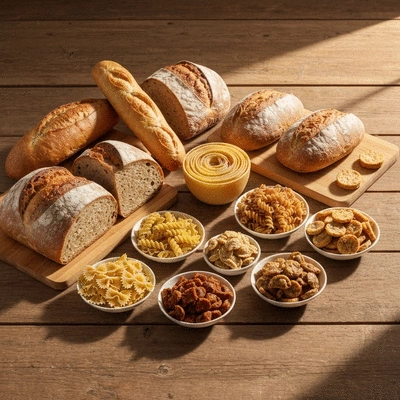
- **Wheat**: Commonly found in bread, pasta, and baked goods.
- **Barley**: Typically used in malts and some soups.
- **Rye**: Often present in rye bread and cereals.
Understanding what gluten is and where it lurks in our foods is the first step towards a healthier lifestyle if you find yourself needing to avoid it.
Exploring Gluten Intolerance: Symptoms and Implications
Gluten intolerance can lead to a variety of uncomfortable symptoms. But what does it actually mean to be gluten intolerant? It’s a condition where your body has difficulty digesting gluten, leading to an array of symptoms. This can severely impact daily life and should not be taken lightly! For individuals with celiac disease, a severe form of gluten intolerance, even small amounts of gluten can cause damage to the small intestine. The National Institute of Diabetes and Digestive and Kidney Diseases (NIDDK) offers extensive information on celiac disease and dietary management.
- **Bloating**: A common sign that something isn't quite right.
- **Fatigue**: Feeling unusually tired after meals? That could be a clue.
- **Headaches**: Frequent or intense headaches can sometimes signal gluten issues.
Recognizing these signs early is essential. If you suspect gluten may be the culprit behind your symptoms, it may be time to evaluate your diet.
Symptoms of Gluten Intolerance: Common Signs and Their Impact
Missing out on your favorite foods can be tough, especially when they contain gluten. But knowing the symptoms of gluten intolerance can help you make informed choices. Here are some common signs:
- **Digestive Issues**: Including diarrhea, constipation, or stomach cramps.
- **Skin Reactions**: Rashes or dermatitis can surface after consuming gluten.
- **Mood Swings**: Irritability or mood swings may also be linked to gluten intake.
These symptoms can significantly affect your quality of life. If you relate to any of these experiences, I encourage you to take action. Recognizing the ways gluten affects your body is the first step toward enhancing your well-being.
Quick Summary
Here's a brief recap of the key points discussed so far:
- A gluten-free diet is essential for those with gluten intolerance or celiac disease.
- Common symptoms of gluten intolerance include bloating, fatigue, and digestive issues.
- Identifying food sensitivities through an elimination diet can be a helpful strategy.
- Meal planning and exploring gluten-free alternatives can ease the transition to a gluten-free lifestyle.
Making Informed Decisions About Your Diet
When considering a gluten-free diet, it’s essential to take a step back and assess whether this approach is right for you. Not everyone needs to eliminate gluten, and understanding your unique situation is the first step towards making informed dietary choices. Let’s explore some helpful tools and strategies to guide you through this process!
Is a Gluten-Free Diet Right for You? A Self-Assessment Tool
Before diving into gluten-free living, you might find it beneficial to evaluate your symptoms and overall health. Here’s a simple self-assessment to help you identify whether a gluten-free diet might be appropriate:
- Do you experience digestive issues such as bloating, gas, or diarrhea after consuming gluten-containing foods?
- Have you noticed any skin reactions, such as rashes or eczema, that seem linked to gluten intake?
- Do you often feel fatigued or have unexplained brain fog?
- Have you been diagnosed with any autoimmune conditions?
Reflecting on these questions can provide insight into your relationship with gluten. Remember, it’s always best to keep a journal of your symptoms and dietary habits, which can be a valuable resource when consulting healthcare professionals! The Mayo Clinic offers further insights into deciding if a gluten-free diet is right for you.
Elimination Diet: How to Safely Identify Food Sensitivities
One effective way to determine if gluten is a trigger for you is by following an elimination diet. This method helps pinpoint food sensitivities by removing potential allergens from your diet for a period. Here’s how you can conduct an elimination diet:
- Remove all gluten-containing foods from your diet for at least 4-6 weeks.
- Keep a detailed food diary, noting any symptoms you experience during this period.
- Gradually reintroduce gluten-containing foods one at a time while monitoring for any adverse reactions.
- Consult with a healthcare professional to discuss your findings and next steps.
This process can help you make informed decisions based on your body’s reactions. Additionally, be patient with yourself—food sensitivities can take time to identify!

Practical Tips for Transitioning to a Gluten-Free Lifestyle
Switching to a gluten-free lifestyle doesn’t have to feel overwhelming. Here are some practical tips to make your transition smoother:
- Read labels carefully: Many packaged foods contain hidden gluten, so always check for allergen statements.
- Explore gluten-free alternatives: There are so many exciting gluten-free products available these days—from bread to pasta.
- Communicate with your support network: Let friends and family know about your dietary changes so they can support you.
- Get creative in the kitchen: Experiment with gluten-free grains like quinoa, rice, and buckwheat to discover new favorite meals!
Making these small adjustments can help you feel more confident in your new dietary choices.
Meal Planning for Gluten-Free Living: Strategies and Recipes
Meal planning is a fantastic way to ensure you maintain a balanced and nutritious gluten-free diet. Here are some effective strategies to help you get started:
- Plan your meals for the week ahead, focusing on naturally gluten-free ingredients.
- Batch cook meals and store them in portioned containers for busy days.
- Utilize gluten-free recipe resources online, or check out I’m Allergic for delicious options tailored for allergy management.
- Consider incorporating more whole foods, such as fruits, vegetables, and lean proteins, into your meal plans.
Meal planning can save you time, reduce stress, and empower you to embrace your gluten-free lifestyle with enthusiasm! If you want to share your favorite gluten-free recipes, I’d love to hear them! Together, we can inspire others in our community.
Frequently Asked Questions About Gluten-Free Living
Here are some common questions about gluten-free diets and intolerance:
- Q: What is gluten?
- A: Gluten is a protein found in wheat, barley, and rye. It acts as a binder, giving elasticity to dough and a chewy texture to baked goods.
- Q: Who needs to follow a gluten-free diet?
- A: Individuals with celiac disease, non-celiac gluten sensitivity (gluten intolerance), or a wheat allergy need to avoid gluten. For those with celiac disease, it's a medical necessity to prevent intestinal damage.
- Q: What are the common symptoms of gluten intolerance?
- A: Symptoms can vary but often include digestive issues like bloating, gas, diarrhea, or constipation. Other symptoms may include fatigue, headaches, skin rashes, and mood swings.
- Q: How do I know if a gluten-free diet is right for me?
- A: A self-assessment of your symptoms after consuming gluten-containing foods can be a starting point. An elimination diet, followed by reintroduction and careful monitoring of reactions, is a more definitive way to identify sensitivities. Always consult a healthcare professional for diagnosis and guidance.
- Q: What foods should I avoid on a gluten-free diet?
- A: You should avoid foods containing wheat, barley, and rye. This includes most traditional breads, pastas, cereals, and many processed foods. Always read food labels carefully.
- Q: Are there hidden sources of gluten?
- A: Yes, gluten can be found in unexpected places like sauces, marinades, deli meats, supplements, and even some cosmetics. Checking labels for allergen information is crucial.
- Q: What are some good gluten-free alternatives?
- A: Many naturally gluten-free grains like rice, quinoa, corn, buckwheat, and oats (certified gluten-free) are excellent alternatives. There are also numerous gluten-free products like breads, pastas, and baked goods available in stores.
Recap of Key Points
Here is a quick recap of the important points discussed in the article:
- A gluten-free diet requires avoiding foods containing gluten, primarily found in wheat, barley, and rye.
- Common symptoms of gluten intolerance include bloating, fatigue, headaches, and digestive issues.
- Conducting a self-assessment can help determine if a gluten-free diet is right for you.
- An elimination diet can effectively identify gluten sensitivities by removing and then reintroducing gluten-containing foods.
- Practical tips for transitioning to a gluten-free lifestyle include reading labels, exploring gluten-free alternatives, and meal planning.