Track Your Medication Allergies Effectively
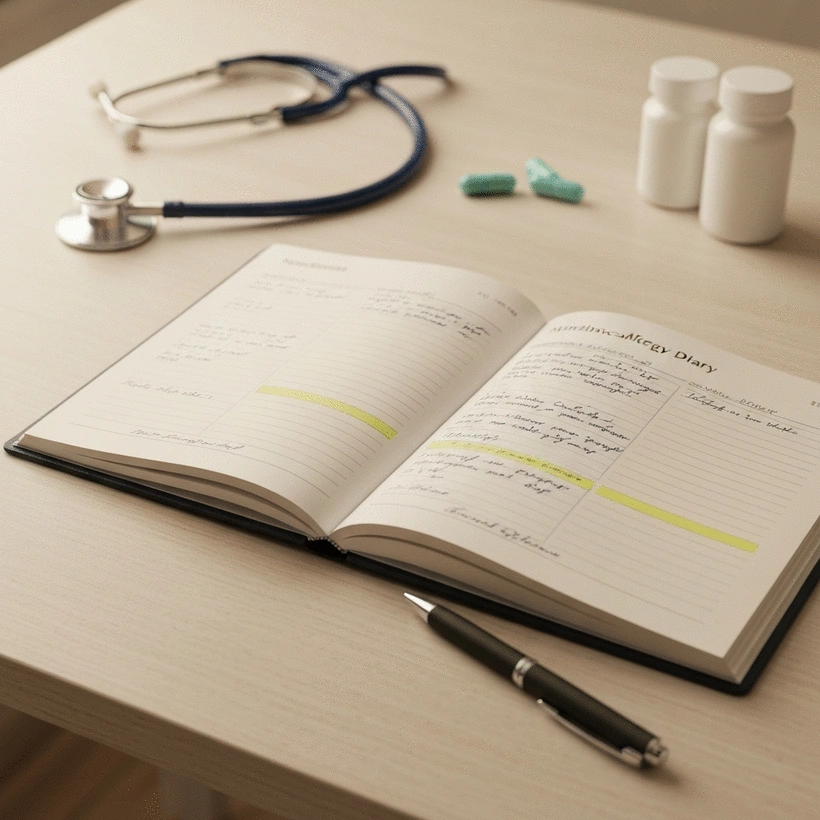
Have you ever thought about how a simple diary could revolutionize your health management? Keeping a medication allergy diary is more than just tracking—it’s about enhancing your safety and well-being.
What You Will Learn
- The critical role of a medication allergy diary in ensuring patient safety and informed treatment decisions.
- Essential components to include in your diary, such as medication names, dosages, symptoms, and timestamps.
- Effective strategies for consistently maintaining your medication allergy diary to streamline your health management.
- How to leverage digital health solutions and apps for efficient medication tracking and communication with healthcare providers.
Medication Allergy Diary: Enhancing Safety and Care
Understanding medication allergies is vital for ensuring patient safety. A medication allergy diary empowers individuals to take control of their health by documenting reactions. This visual highlights the key components and benefits of maintaining such a diary.
Why a Medication Allergy Diary is Essential
Patient Safety
Prevents severe reactions and inappropriate treatments.
Informed Decisions
Helps providers choose safer alternatives and tailor care.
Key Information to Record
Medication Name
Exact name of the medication taken.
Dosage
Helps identify reaction thresholds.
Symptoms
Specific details of allergic reactions.
Date & Time
When medication was taken and symptoms began.
Strategies for Maintenance
Daily Logging
Make it a consistent routine to update your diary.
Use Templates/Apps
Simplify the process with structured tools.
The Importance of Keeping a Medication Allergy Diary: Enhancing Safety and Care
As someone who has navigated the tricky waters of allergies myself, I know how crucial it is to keep track of what affects us. Medication allergies can be particularly daunting and can lead to serious complications if not properly managed. That’s why I want to emphasize the importance of keeping a medication allergy diary. Not only does it help enhance safety, but it also improves your overall care experience.
Understanding medication allergies is vital for ensuring patient safety. These allergies can manifest in various ways, from mild discomfort to severe reactions. When healthcare providers are unaware of your specific allergies, it can lead to inappropriate treatments and potentially harmful outcomes. By documenting your reactions, you can help ensure that your healthcare team makes informed decisions tailored to your needs.

Understanding Medication Allergies and Their Impact
Medication allergies are more common than you might think. They can significantly impact your treatment outcomes and overall well-being. When you have a documented history of your allergies, it helps healthcare professionals avoid prescribing harmful medications, as detailed by the American Academy of Allergy, Asthma & Immunology (AAAAI). The CDC also provides guidance on clinical signs of allergic reactions, which can be crucial for prompt identification.
- Patient Safety: Knowing what you're allergic to can prevent severe reactions.
- Informed Treatment Decisions: Helps providers choose safer alternatives.
- Improved Communication: Facilitates better dialogue between you and your healthcare team.
By understanding the significance of medication allergies, you empower yourself to take control of your health. A medication allergy diary isn’t just a notebook; it’s your safety net for better healthcare management!
What is a Medication Allergy Diary and Why You Need One
A medication allergy diary is a dedicated log where you track your allergic reactions to medications. It serves multiple purposes: from helping you manage your allergies to providing healthcare professionals with essential information during visits. This diary is your personal tool for enhancing safety in your healthcare journey.
So, what should you include in this diary? Here are some essential elements:
- Medication Name: Record the names of all medications you’ve taken.
- Dosage: Note the dosage to help identify patterns in reactions.
- Symptoms: Document any allergic reactions you experience.
- Date and Time: Keep track of when you took the medication and when symptoms occurred.
By maintaining a medication allergy diary, you create a comprehensive record that can make a world of difference in your healthcare experience. You're not just documenting; you're building a resource that can lead to better care and safer treatments.
Key Components of Effective Allergy Documentation
To make the most of your medication allergy diary, you need to know what to include. This isn’t just about jotting down names; it's about creating a thorough record that benefits both you and your healthcare providers.
Essential Information to Record in Your Diary
Here are the critical fields that should be in your diary:
- Medication Name: Always start with the exact name of the medication.
- Dosage: The dosage can help identify the threshold for your reactions.
- Symptoms: Be specific about the symptoms you experienced. The CDC provides helpful information on managing severe allergic reactions like anaphylaxis, which underscores the importance of detailed symptom tracking.
- Timing: Document when you took the medication and when symptoms began.
These details can help you and your healthcare team make informed decisions about your treatment plan. When you have a detailed record, it’s easier to spot patterns and make adjustments as necessary!
Strategies for Maintaining Your Medication Allergy Diary
Keeping your diary updated might seem daunting, but it doesn’t have to be! Here are some practical tips:
- Daily Logging: Make it a routine to fill out your diary at the same time each day.
- Use Templates: Consider using a template or a dedicated app to simplify the process.
- Stay Consistent: Consistency is key; update your diary every time you take a new medication.
By staying organized and consistent, you’ll find that maintaining your medication allergy diary becomes second nature. Remember, the more detailed your documentation, the better your healthcare providers can tailor their approach to your needs.

Incorporating Digital Health Solutions for Enhanced Medication Tracking
In today's digital age, there are plenty of tools available to help you keep track of your medication allergies more efficiently. Health apps can simplify this process significantly.
- Medication Tracking Apps: These apps allow you to log your medications and any allergic reactions with ease.
- Reminders: Set up reminders for taking medication and logging any reactions.
- Shareable Records: Many apps allow you to share your diary with healthcare providers directly.
By incorporating these digital tools, you can enhance your medication tracking and ensure that you never miss a beat in managing your allergies. It’s all about making life easier while prioritizing your health!
Pro Tip
Did you know? Keeping your medication allergy diary not only helps you track your reactions but also empowers you to communicate effectively with your healthcare providers. Regularly reviewing your diary can reveal patterns in your allergies, making it easier to discuss your health needs during appointments!
Frequently Asked Questions About Medication Allergy Diaries
What is a medication allergy diary?
A medication allergy diary is a personal log where you record any allergic reactions you experience to medications. It helps track medication names, dosages, symptoms, and the dates/times of reactions to inform healthcare providers and enhance patient safety.
Why is it important to keep a medication allergy diary?
It is crucial for patient safety, preventing severe allergic reactions by informing healthcare providers about your known allergies. This allows them to make informed treatment decisions and choose safer alternatives, improving overall care.
What essential information should be included in my diary?
Key information includes the exact medication name, the dosage taken, specific symptoms experienced during the allergic reaction, and the date and time when the medication was taken and symptoms began.
How can I consistently maintain my medication allergy diary?
Strategies for consistent maintenance include making daily logging a routine, using templates or dedicated health apps to simplify the process, and updating your diary every time you take a new medication or experience a reaction.
Can digital tools help with managing a medication allergy diary?
Yes, digital health solutions and medication tracking apps can significantly enhance efficiency. They allow for easy logging, provide reminders, and often offer shareable records that can be directly communicated to healthcare providers.
Summarizing the Value of a Medication Allergy Diary
Keeping a medication allergy diary is not just a good idea; it’s essential for ensuring patient safety and improving healthcare outcomes. When we document our medication allergies, we equip ourselves with the necessary knowledge to advocate for our health. This simple practice can make a significant difference in how we interact with healthcare providers and manage our treatment plans.
The value of this diary extends beyond personal record-keeping. It enhances communication with doctors, pharmacists, and other healthcare professionals, ensuring they have a clear picture of your allergies and potential reactions. When we take these proactive steps, we contribute to a safer healthcare environment for ourselves and others!
Taking Action: Your Next Steps for Allergy Safety
Are you ready to start your own medication allergy diary? It’s a straightforward process, and I’m here to help! Here are some key steps to get you going:
- Download a medication allergy diary template from our website.
- Begin by listing any known allergies, including the medication name and details about your reactions.
- Make it a habit to log any new medications you try, noting the dosage and any symptoms.
By taking these steps, you’ll create a valuable resource that enhances your safety and well-being. And remember, I’m Allergic is here to support you! We provide additional resources and tips to help you along your journey.
Join the Conversation: Share Your Experiences and Questions
Your story matters! I invite you to share your experiences with medication allergies—what have you learned? If you have questions or need guidance, don’t hesitate to reach out. Engaging with our community can provide insights and encouragement, making the path to allergy management a little easier.
- Share your stories on our social media platforms.
- Ask questions in our forums; let’s learn together!
- Connect with healthcare professionals who can offer personalized advice.
By participating in discussions, you’re not only advocating for your health, but also helping others who might be facing similar challenges. Let’s make this a supportive community!
Promoting Patient Education and Advocacy in Allergy Management
Health literacy is crucial when it comes to managing allergies effectively. When we understand our conditions, we can advocate for ourselves in medical settings. This means asking the right questions, understanding our treatment options, and being proactive about our health.
Through effective medication documentation, we empower ourselves. Here are some ways to promote your patient education and advocacy:
- Stay informed about your allergies by reading articles and resources, such as those available at I’m Allergic.
- Engage with healthcare professionals about your allergy diary and any updates on your reactions.
- Participate in local or online support groups to connect with others.
By taking these actions, you not only enhance your own understanding but also contribute to a broader culture of awareness and safety for everyone living with allergies. Your voice is powerful—let’s use it!
Recap of Key Points
Here is a quick recap of the important points discussed in the article:
- Patient Safety: Keeping a medication allergy diary helps prevent severe allergic reactions by ensuring your healthcare providers are informed of your allergies.
- Informed Treatment Decisions: Documenting your medication history allows providers to choose safer alternatives tailored to your needs.
- Essential Diary Components: Include medication name, dosage, symptoms, and timing to create a thorough record.
- Consistency is Key: Regularly updating your diary and using templates or apps can streamline the tracking process.
- Digital Health Solutions: Utilize medication tracking apps for easy logging and sharing with healthcare providers.