Do Air Purifiers Help Allergies?
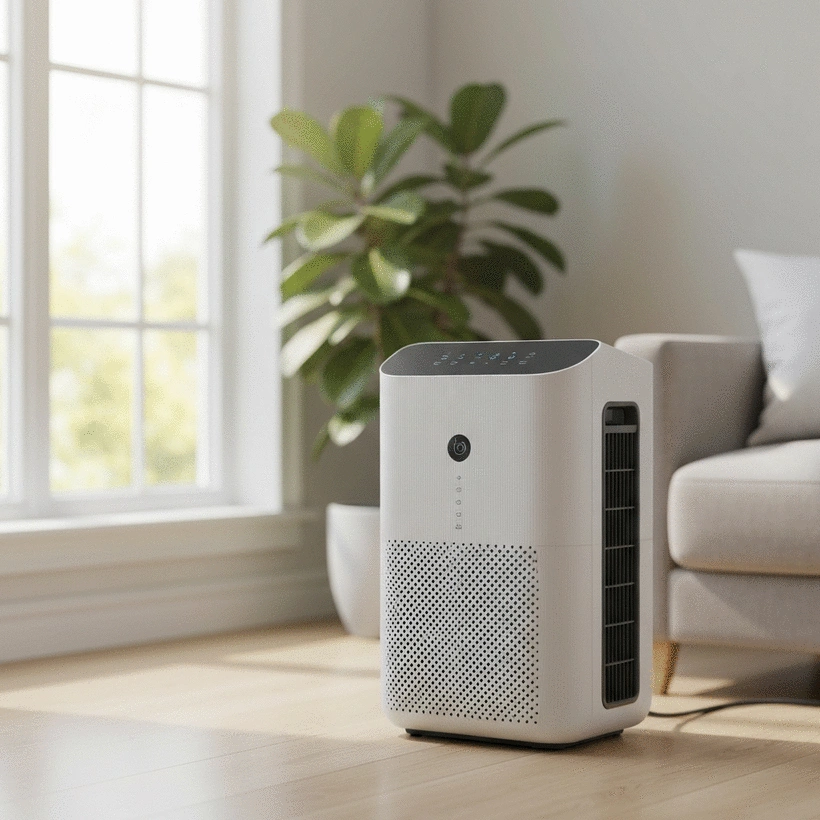
What role does indoor air quality play in your well-being? For those living with allergies, the answer could be transformative. Air purifiers are more than just appliances; they can be a lifeline, dramatically improving the quality of life for allergy sufferers.
What You Will Learn
- Air purifiers effectively filter allergens like dust, pollen, and pet dander from indoor air.
- HEPA filters capture 99.97% of particles as small as 0.3 microns, making them highly effective for allergy sufferers.
- Improving indoor air quality can significantly reduce allergy symptoms and enhance overall comfort.
- Regular maintenance, including filter changes, is essential to ensure optimal performance of air purifiers.
- Using air quality monitors can provide real-time insights, helping you manage your indoor environment more effectively.
Air Purifiers for Allergies: Efficacy & Benefits
This visual summarizes the efficacy of air purifiers in managing allergy symptoms, highlighting key benefits and considerations for allergy sufferers.
Key Function
How Air Purifiers Work
Air is drawn in, passes through filters (like HEPA), and clean air is released, reducing airborne allergens.
Effectiveness
HEPA Filter Efficiency
Traps 99.97% of particles as small as 0.3 microns (dust mites, pollen, pet dander, mold spores).
User Impact
Reported Benefits
Significant reduction in allergy symptoms and enhanced sleep quality due to cleaner air.
Maximizing Benefits
Effective Integration Tips
- Run continuously, close windows/doors
- Place in high-traffic areas (bedroom, living room)
- Regularly vacuum/clean space
Understanding the Impact of Air Purifiers on Allergies
As someone who has navigated the challenges of living with allergies, I understand how crucial it is to create a safe and healthy environment. One of the essential tools in this journey is the air purifier. These devices can play a significant role in improving indoor air quality, but how do they actually help with allergies? Let’s explore the impact of air purifiers and what you need to know about them!
Air purifiers work by filtering out various pollutants and allergens from the air, such as dust, pet dander, and pollen. They use a combination of filters and technology designed to capture and eliminate these irritants. For allergy sufferers, having a reliable air purifier could mean the difference between sneezing all day and enjoying clearer breathing!
What Are Air Purifiers and How Do They Work for Allergies?
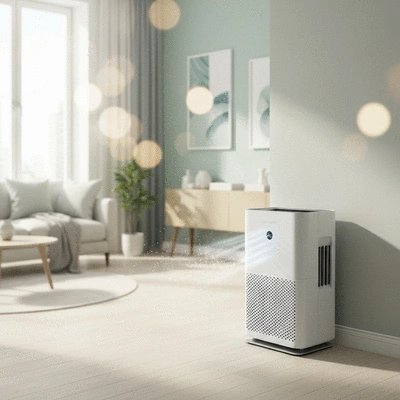
To understand the benefits of air purifiers, it’s important to know how they function. Most air purifiers utilize filters to trap allergens and particles. According to the CDC, air cleaners, including purifiers, can be an effective part of a larger strategy to improve indoor air quality. Here’s a quick rundown of how they generally work:
- Intake: Air is drawn into the purifier from the surrounding room.
- Filtration: The air passes through one or multiple filters, often including HEPA filters, which are specifically designed to capture tiny particles.
- Output: Clean, purified air is released back into the room.
This process not only reduces the number of allergens in the air but can also help improve overall indoor air quality. Many people, including myself, have found that the right air purifier can drastically reduce allergy symptoms, making it easier to breathe and live comfortably.
Exploring HEPA Air Purifiers: Are They Effective Against Allergens?
HEPA (High-Efficiency Particulate Air) filters are often touted as the gold standard for air purification. They are capable of trapping 99.97% of particles that are as small as 0.3 microns! This level of filtration is particularly effective against common allergens such as:
- Dust mites
- Pollen
- Pet dander
- Mold spores
In my experience, investing in a HEPA air purifier has been a game changer. It not only captures a wide range of allergens but also helps in significantly reducing symptoms in sensitive individuals. Understanding the effectiveness of these filters is vital when selecting an air purifier that meets your needs. For more detailed information, the EPA provides comprehensive guidance on air cleaners and filters for home settings.
How Indoor Air Quality Affects Allergy Symptoms
Indoor air quality can have a profound effect on allergy symptoms. Poor air quality is often linked to increased irritation in the respiratory system, leading to symptoms like coughing, sneezing, and congestion. Here are some factors that contribute to poor indoor air quality:
- High humidity levels
- Insufficient ventilation
- Presence of mold or mildew
- Use of chemical cleaners and VOC emissions
By improving air quality with an effective air purifier, you can create a breathing space that helps lessen the impact of these allergens. This is why at I’m Allergic, I always emphasize the importance of maintaining a healthy indoor environment for allergy sufferers.
We Want to Hear From You!
As you navigate your allergy management journey, we’d love to know: What has been your experience with air purifiers? Have they made a difference in your daily life? Share your thoughts below!
Summarizing the Efficacy of Air Purifiers for Allergies
As someone who deeply understands the challenges faced by allergy sufferers, I can tell you that the efficacy of air purifiers is a hot topic. Recent research and user experiences highlight just how beneficial these devices can be. Many individuals have reported significant reductions in their symptoms after integrating air purifiers into their homes. This speaks volumes about their potential as part of an allergy management strategy.
Key findings from studies reveal that air purifiers, especially those equipped with HEPA filters, can effectively reduce common allergens like dust mites, pet dander, and pollen. Users frequently share positive feedback regarding their experiences, noting cleaner air and improved comfort levels at home. A study published in PMC further supports the effectiveness of air purifiers in reducing particulate matter and improving air quality. If you're considering an air purifier, these insights can help you feel more confident in your choice!

Key Takeaways from Recent Research and User Experiences
- HEPA filters significantly lower airborne allergens.
- Many users report enhanced sleep quality due to reduced allergy symptoms.
- Regular filter changes enhance the effectiveness of air purifiers.
- Air purifiers can complement other allergy management strategies, such as allergen avoidance.
With these takeaways in mind, it's crucial to recognize that while air purifiers are not a cure-all, they can play a substantial role in alleviating allergy symptoms. Integrating them into your environment might just provide the relief you've been searching for!
Making an Informed Decision: Are Air Purifiers Worth the Investment?
Deciding whether to invest in an air purifier comes down to understanding your unique needs and circumstances. When weighing the benefits against the cost, consider the potential for improved health and quality of life. For those of us living with allergies, the peace of mind that comes from having cleaner air is invaluable.
Before making your decision, I encourage you to evaluate factors such as:
- Type of allergens in your environment
- Your budget for an air purifier
- Maintenance requirements and long-term costs
- Noise levels of the device
By considering these elements, you can determine if an air purifier is a worthy addition to your allergy management toolkit!
Next Steps for Allergy Sufferers Considering Air Purifiers
Recommendations for Selecting the Right Air Purifier
Choosing the right air purifier can seem daunting, but breaking it down into manageable steps can help. Start by identifying the specific allergens you need to target and look for purifiers designed to combat those issues. For example, if pet dander is a concern, a model with a HEPA filter is essential.
Here are some quick recommendations to guide your selection:
- Opt for models with a CADR rating suitable for your room size.
- Choose a purifier with multiple filtration stages for maximum effectiveness.
- Consider user-friendly features such as filter change indicators.
- Check for noise levels to find a model that suits your preferences.
Integrating Air Purifiers into Your Home Environment Effectively
Once you've selected your air purifier, it's important to place it strategically. Position your purifier in areas where you spend the most time, such as your bedroom or living room. Make sure to keep it away from walls and furniture to allow for optimal airflow.
Here are a few tips for effective integration:
- Run the purifier continuously for best results.
- Ensure windows and doors are closed when in operation.
- Regularly vacuum and clean your space to enhance air quality.
These practices can help maximize the benefits of your air purifier, ensuring that you breathe easier at home!
The Role of Air Quality Monitors in Enhancing Allergy Management
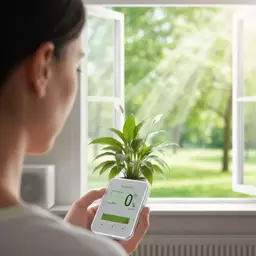
Air quality monitors can be a valuable addition to your allergy management strategy. They provide real-time data on the levels of various allergens and pollutants in your home environment. This information can help you adjust your air purifier settings or take further actions to improve indoor air quality.
Consider the following advantages of using an air quality monitor:
- Receive alerts when pollutant levels rise.
- Track the effectiveness of your air purifier over time.
- Make informed decisions about ventilation and cleaning schedules.
By integrating an air quality monitor into your home, you can ensure a proactive approach to managing your allergies, giving you peace of mind and a cleaner, healthier living space!
Frequently Asked Questions (FAQs)
- Q: How do air purifiers help with allergies?
- A: Air purifiers filter out airborne allergens such as dust, pollen, pet dander, and mold spores, reducing their presence in your indoor environment and thereby alleviating allergy symptoms.
- Q: What is a HEPA filter, and why is it important for allergy sufferers?
- A: HEPA (High-Efficiency Particulate Air) filters are considered the gold standard because they can trap 99.97% of particles as small as 0.3 microns, including most common allergens. This high efficiency makes them particularly effective for allergy sufferers.
- Q: Can an air purifier completely eliminate allergy symptoms?
- A: While air purifiers can significantly reduce allergy symptoms by improving indoor air quality, they are not a cure-all. They work best as part of a comprehensive allergy management strategy that may also include allergen avoidance and medical treatments.
- Q: Where should I place my air purifier for the best results?
- A: For optimal effectiveness, place your air purifier in areas where you spend the most time, such as your bedroom or living room. Ensure it's away from walls and furniture to allow for proper airflow.
- Q: How often should I change the filters in my air purifier?
- A: The frequency of filter changes depends on the specific model and usage, but generally, HEPA filters should be replaced every 6-12 months, and pre-filters (if applicable) more frequently. Regular maintenance, including filter changes, is crucial for optimal performance.
- Q: Are air quality monitors necessary if I have an air purifier?
- A: Air quality monitors are a valuable addition because they provide real-time data on indoor pollutant levels. This allows you to track your air purifier's effectiveness and make informed decisions about your indoor environment, enhancing your overall allergy management strategy.
Recap of Key Points
Here is a quick recap of the important points discussed in the article:
- Air purifiers significantly improve indoor air quality by filtering out allergens like dust, pet dander, and pollen.
- HEPA filters are highly effective, capturing 99.97% of particles as small as 0.3 microns.
- Maintaining good indoor air quality can help reduce allergy symptoms and improve overall comfort.
- Regular filter changes are essential for optimal air purifier performance.
- Choosing the right air purifier involves considering your specific allergen triggers and room size.
- Integrating air quality monitors can further enhance your allergy management strategy.