Managing Allergic Reactions with EpiPen
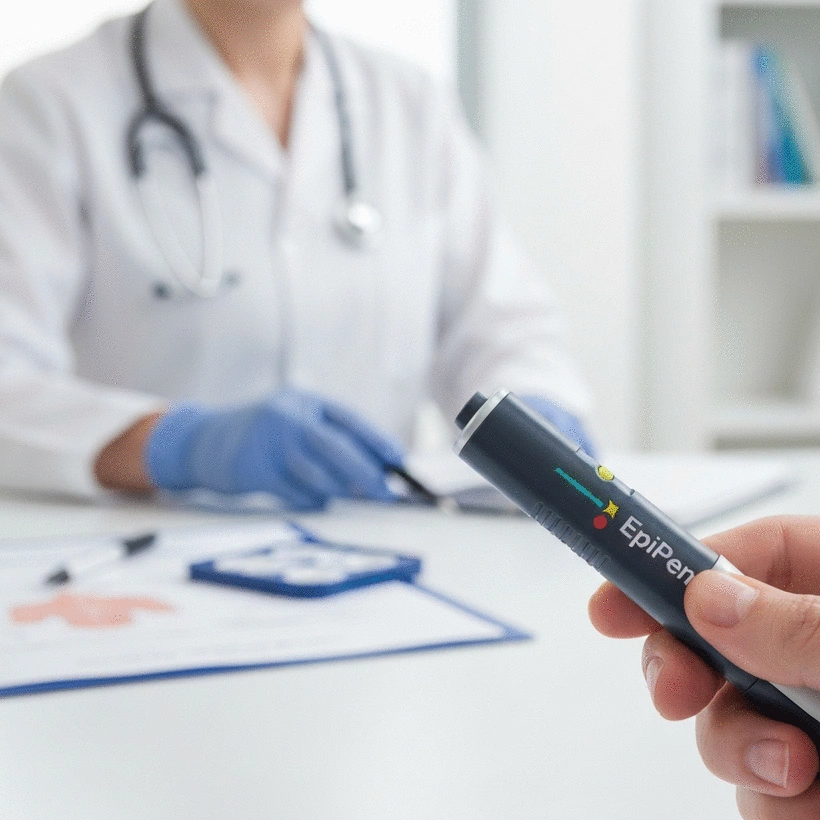
Have you ever found yourself unsure about how to respond in an allergy emergency? Understanding the signs of anaphylaxis can be a matter of life and death. Let’s delve into the critical insights that can empower you to act decisively when it counts the most.
What You Will Learn
- Anaphylaxis is a severe allergic reaction that can escalate rapidly, requiring immediate action.
- Recognizing common symptoms, such as difficulty breathing and swelling, is crucial for timely treatment.
- Knowing your specific allergy triggers—like certain foods, insect stings, and medications—can help you avoid dangerous situations.
- Always carry an EpiPen, and ensure both you and those around you know how to use it properly in emergencies.
Quick Action Saves Lives in Anaphylaxis
Understanding the critical timeline and key actions for anaphylaxis response.
Anaphylaxis: Why Quick Action Matters
Prevents Worsening
Stops escalation of reaction.
Reduces Hospitalization
Early treatment can avoid ER visits.
Increases Survival
Crucial for life-threatening cases.
Common Anaphylaxis Symptoms
- ✓ Difficulty breathing / Wheezing
- ✓ Swelling of throat/tongue
- ✓ Rapid heartbeat / Palpitations
- ✓ Skin reactions (Hives, redness)
- ✓ Nausea / Vomiting
Key Anaphylaxis Triggers
- ★ Food Allergies (Peanuts, shellfish)
- ★ Insect Stings (Bees, wasps)
- ★ Medications (e.g., Penicillin)
- ★ Latex Exposure
- ★ Environmental Allergies (less common)
Essential Allergy Management Tips
Carry EpiPen Always
Keep it accessible at all times.
Educate Others
Friends & family should know how to help.
Monitor & Track
Log symptoms and potential triggers.
Understanding Severe Allergic Reactions: Recognizing Anaphylaxis
Living with allergies can feel overwhelming at times, especially when it comes to severe allergic reactions. One of the most serious forms of an allergic reaction is anaphylaxis. It’s critical to recognize this life-threatening condition early and act fast. Ignoring symptoms or delaying treatment can lead to dire consequences, so understanding anaphylaxis is essential for anyone affected by allergies.
In my journey with allergies, I’ve learned that knowledge truly is power. By being informed about the signs and symptoms of anaphylaxis, you can act swiftly and effectively, potentially saving a life—yours or someone else's. Let’s explore what anaphylaxis is and why quick action matters.

What is Anaphylaxis and Why is it Critical to Act Fast?
Anaphylaxis is a severe allergic reaction that can occur within minutes of exposure to an allergen. It can lead to shock, breathing difficulties, and even death if not treated immediately. This is why knowing what anaphylaxis is and having a plan can make all the difference. For a detailed clinical pathway on anaphylaxis emergent care, you can refer to resources like Children's Hospital of Philadelphia's clinical pathway.
When you recognize the symptoms early, you can administer treatment, usually in the form of an epinephrine injection, to help manage the reaction. Remember, timing is everything! Here’s a quick list of reasons why acting quickly is vital:
- Prevents the reaction from worsening.
- Reduces the risk of hospitalization.
- Increases survival chances in severe cases.
Understanding these points can empower you to take swift action when faced with an allergic emergency.
Common Anaphylaxis Symptoms to Watch For
Being aware of the common symptoms of anaphylaxis can help you identify when an allergic reaction is escalating. Here are some key symptoms to keep in mind:
- Difficulty breathing or wheezing
- Swelling of the throat or tongue
- Rapid heartbeat or palpitations
- Skin reactions like hives or redness
- Gastrointestinal symptoms like nausea or vomiting
Recognizing these symptoms can be lifesaving. If you or someone you know experiences them, don’t hesitate to act!
Identifying Skin Reactions: Hives and Swelling
Skin reactions are often one of the first signs of anaphylaxis. Hives, which appear as itchy, red welts on the skin, can develop quickly. Additionally, swelling, particularly of the face, lips, or tongue, may occur. If you notice these signs, it’s crucial to seek medical attention immediately.
Remember, hives can be a sign of something more serious brewing beneath the surface. Keep your EpiPen handy!
Breathing Difficulties: Recognizing Respiratory Distress
Difficulty breathing is another major symptom of anaphylaxis. You might experience wheezing or feel as if your throat is tightening. This respiratory distress can escalate rapidly, making it essential to respond quickly. If you’re struggling to breathe, using your EpiPen can help alleviate these symptoms.
Stay calm and focused—your quick action can make a significant difference.
Gastrointestinal Symptoms: Nausea, Vomiting, and More
Gastrointestinal symptoms such as nausea, vomiting, or diarrhea can also signal anaphylaxis. While these symptoms may not seem as alarming as difficulty breathing, they can come on suddenly and indicate that a serious reaction is occurring. If you notice these signs, don’t ignore them!
Understanding these symptoms is part of being proactive in managing your allergies.
Understanding Allergy Triggers: Common Causes of Anaphylaxis
Many people wonder what causes anaphylaxis. Knowing your triggers is key to avoiding such severe reactions. Here’s a brief overview of common causes:
- Food allergies, such as peanuts or shellfish
- Insect stings from bees or wasps
- Medications like penicillin
- Latex exposure
By being aware of these triggers, you can take proactive steps to avoid them and minimize your risk of anaphylaxis.
Food Allergies: The Leading Cause of Anaphylactic Reactions
Food allergies are often the most recognized causes of anaphylaxis. Even a tiny amount of an allergenic food can trigger a severe reaction. It’s vital to read labels carefully and to communicate your allergies clearly when dining out. For more in-depth information on food-induced anaphylaxis, you can consult research articles, such as those found on PMC PubMed Central.
Don't hesitate to ask questions about food preparation to ensure your safety!
Insect Sting Allergies: Risk Factors and Response
Insect stings can also cause anaphylaxis, especially in individuals who are allergic to specific insect venoms. If you’re allergic to bee or wasp stings, carrying an EpiPen is critical. And remember, wear protective clothing when spending time outdoors to reduce the risk of stings!
Environmental Allergies: How They Contribute to Anaphylaxis
While less common, environmental allergies can also lead to anaphylaxis. Reactions can occur from exposure to certain plants or medications. It’s crucial to be aware of your environment and the potential allergens within it.
Understanding these common triggers allows you to navigate your daily life with greater confidence and safety.
Frequently Asked Questions About Anaphylaxis
What is anaphylaxis?
Anaphylaxis is a severe, potentially life-threatening allergic reaction that can occur rapidly, usually within minutes of exposure to an allergen. It requires immediate medical attention.
What are the most common symptoms of anaphylaxis?
Common symptoms include difficulty breathing, wheezing, swelling of the throat or tongue, a rapid heartbeat, hives or redness on the skin, and gastrointestinal issues like nausea or vomiting.
What are the main triggers for anaphylaxis?
Key triggers usually involve food allergies (e.g., peanuts, shellfish), insect stings (e.g., bees, wasps), certain medications (e.g., penicillin), and latex exposure. Environmental allergies can also be a less common trigger.
Why is quick action important during an anaphylactic reaction?
Acting quickly prevents the reaction from worsening, reduces the risk of hospitalization, and significantly increases survival chances in severe cases. Timely administration of an epinephrine injection is crucial.
How can I best prepare for an anaphylaxis emergency?
Always carry your EpiPen, educate friends and family on how to use it, keep an updated list of your allergies, and regularly check your EpiPen's expiration date. Practicing with an EpiPen trainer is also highly recommended.
We Want to Hear From You!
When it comes to managing allergies, every experience is unique. What strategies or tips have you found most helpful in dealing with anaphylaxis? Share your thoughts below:
Staying Prepared: Essential Tips for Allergy Management
Being prepared can make all the difference when managing allergies, especially in emergencies. At I’m Allergic, we believe that knowledge and readiness empower individuals to take control of their allergy experiences. Here are some essential tips to keep you and your loved ones safe!
- Always carry your EpiPen or prescribed medication at all times.
- Keep an updated list of your allergies and emergency contacts.
- Educate your friends and family about how to use your EpiPen.
- Regularly check the expiration date of your EpiPen and replace it as necessary.
Having an emergency plan can significantly reduce your anxiety when facing potential allergy triggers. Don’t hesitate to inform those around you about your allergies—they can help you stay safe!

Carrying Your EpiPen: Best Practices for Accessibility
Accessibility is key when it comes to your EpiPen. You never know when an allergic reaction might occur, so it’s important to keep your EpiPen close. Here are some best practices to ensure that it's always within reach: For guidance on adrenaline auto-injector prescription and use, the British Society for Allergy & Clinical Immunology (BSACI) provides useful resources.
- Use a dedicated case or pouch to store your EpiPen, making it easy to find.
- Attach it to your bag, belt loop, or purse so you won’t forget it.
- Consider keeping an extra EpiPen in a safe location, like your car or at work.
By following these tips, you can ensure that your EpiPen is readily available when you need it most. Remember, every second counts in an emergency!
Training and Education: Utilizing EpiPen Trainers Effectively
Training is a crucial part of managing allergies effectively. It's one thing to have an EpiPen, but knowing how to use it can save lives. At I’m Allergic, I often recommend using EpiPen trainers for practice. Here’s why:
- They provide a hands-on experience without the risk of administering medication.
- Practice can boost your confidence and prepare you for a real-life situation.
- Encourage family and friends to participate in training so they can assist you if needed.
Take the time to familiarize yourself and those around you with the EpiPen. Regular training can significantly enhance your preparedness during emergencies.
Medication Guides: Understanding Dosage Guidelines and Side Effects
It’s essential to know your medication well. Understanding dosage guidelines and potential side effects of your EpiPen can help manage your allergies better. Here are some key points to remember:
- Follow the prescribed dosage and never hesitate to ask your allergist for clarifications.
- Be aware of common side effects like increased heart rate or sweating.
- Always read the medication guide that comes with your EpiPen for specific instructions.
Staying informed about your medication not only enhances your safety but also empowers you to make informed decisions regarding your health.
Reaction Monitoring: Keeping Track of Allergy Symptoms
Monitoring your symptoms is a vital part of managing your allergies. Keeping track helps you understand patterns and triggers. Here’s how you can effectively monitor your reactions:
- Maintain a diary or app to log your symptoms, foods consumed, and activities.
- Share your observations with your healthcare provider to tailor your management plan.
- Look for trends in your symptoms to help pinpoint specific allergens or situations.
By actively monitoring your reactions, you can better prepare for potential issues and enhance your overall quality of life. Remember, knowledge is power!
Recap of Key Points
Here is a quick recap of the important points discussed in the article:
- Anaphylaxis is a severe allergic reaction that requires immediate attention.
- Recognize symptoms early, including difficulty breathing, hives, and gastrointestinal issues.
- Know your allergy triggers to prevent anaphylaxis, suchs as certain foods and insect stings.
- Always carry your EpiPen and educate those around you on its use.
- Monitor your symptoms and keep a detailed log of reactions to identify patterns.