Managing Indoor Environmental Allergies
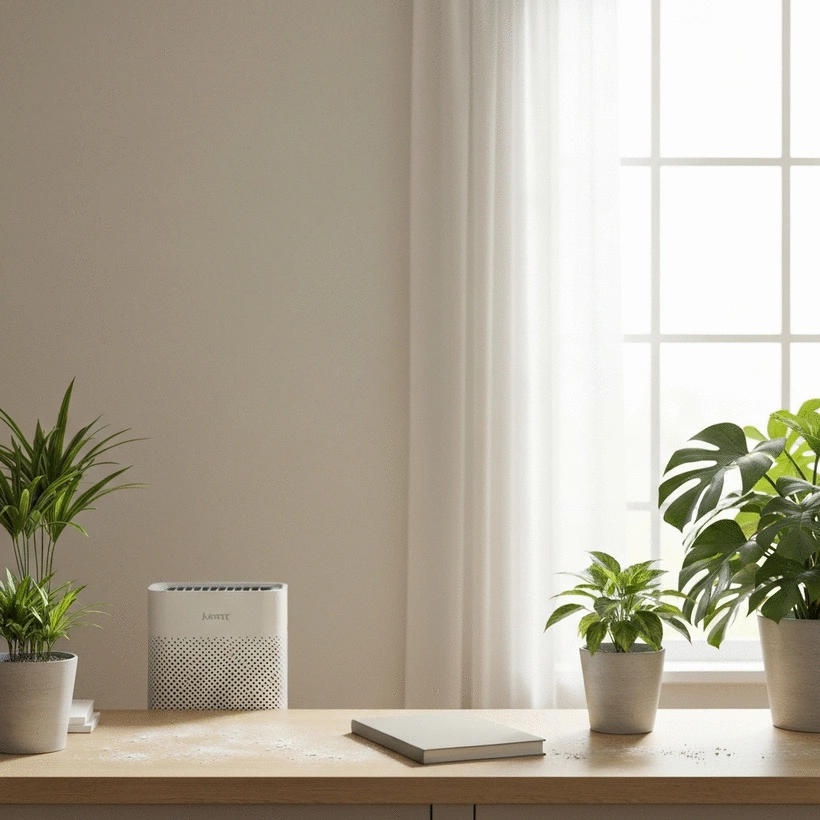
Have you ever found yourself sneezing uncontrollably at home, wondering where those indoor allergens are hiding? Understanding and managing your environment can drastically improve your quality of life.
What You Will Learn
- Identifying common indoor allergens like dust mites, pet dander, and mold is the first step to better management.
- Understanding how outdoor allergens like pollen can influence your indoor environment can help in effective allergy management.
- Regular cleaning and maintaining humidity levels below 50-60% are essential strategies to minimize allergens.
- Using air purifiers with HEPA filters can significantly improve indoor air quality by trapping airborne allergens.
Indoor Allergy Triggers and Management Strategies
Understanding and managing common indoor allergy triggers is key to creating a healthier home environment. The visual below highlights key triggers and effective reduction strategies.
Common Indoor Triggers
- Dust Mites (Thrive in humidity)
- Pet Dander (Lingers in air/surfaces)
- Mold (Grows in damp areas)
- Cockroaches/Rodents (Droppings are allergenic)
- Pollen (Enters from outdoors)
Effective Reduction Strategies
- Regular Cleaning (Weekly deep clean)
- Control Humidity (Below 50% to prevent mold/mites)
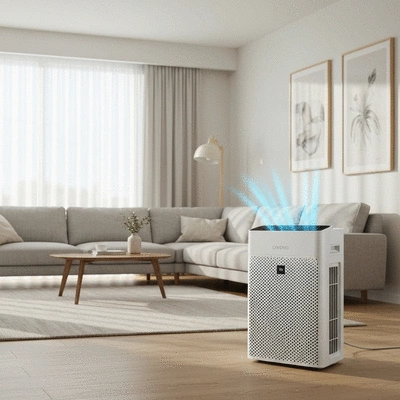
- Use HEPA Air Purifiers (Trap airborne allergens)
- Create Allergen-Free Zones (Especially bedrooms)
- Close Windows (During high pollen seasons)
Understanding Environmental Allergy Management and Indoor Allergens
As someone who's navigated the challenging waters of allergies, I know that understanding environmental allergies is essential for effective management. Environmental allergies, often triggered by substances in our surroundings, can be particularly troublesome when they originate indoors. Common indoor allergens include dust mites, pet dander, mold, and even pests like cockroaches. Recognizing these allergens is the first step in creating a safer home environment.
Indoor allergens can significantly impact our health and comfort. They can trigger symptoms like sneezing, itching, and respiratory issues, making daily life a bit more challenging. That's why it's important to familiarize ourselves with what these allergens are and how they interact with our indoor spaces.
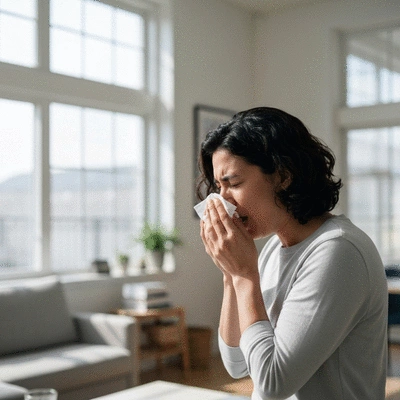
What are Environmental Allergies and Common Indoor Triggers?
Environmental allergies are immune responses to certain substances (allergens) that can be found indoors or outdoors. Common indoor triggers include:
- Dust mites: Microscopic creatures that thrive in bedding, upholstered furniture, and carpets.
- Pet dander: Tiny flakes of skin shed by furry pets, which can linger in the air and on surfaces.
- Mold: Fungus that grows in damp places, often found in bathrooms and basements. For more detailed information on managing indoor air quality and preventing mold growth, you can refer to resources from the Environmental Protection Agency (EPA).
- Cockroaches: Their droppings and body parts can contribute to allergic reactions.
- Rodents: Like cockroaches, mouse droppings can also be a source of allergens.
Understanding these common triggers can help you take proactive steps in allergy management. By identifying and addressing these allergens, we can create healthier indoor environments for ourselves and our families.
Identifying Key Indoor Allergy Triggers
Now that we know what environmental allergies are, it's crucial to identify the key triggers in our homes. Here are the main culprits:
- Dust Mites: They thrive in warm, humid areas and can double their population every 20 days.
- Pet Dander: This can be particularly troublesome for those with furry family members, as it can remain in the home even after pets are cleaned or removed.
- Mold: Often found in bathrooms and kitchens, mold spores can easily become airborne, leading to allergic reactions.
- Cockroaches: Even if you don’t see them, their droppings can trigger severe reactions.
- Rodents: Their urine and droppings can also cause serious allergic responses.
Recognizing these triggers is essential for effective management. If you suspect any of these allergens are present in your home, it's time to take a closer look at your living environment.
The Role of Pollen and Other Environmental Triggers in Indoor Allergies
While many of us think of seasonal allergies as purely outdoor nuisances, it’s interesting to consider how outdoor allergens like pollen can influence our indoor environments. Pollen can easily enter our homes on clothing, shoes, or through open windows. Understanding the prevalence and impact of various allergens can be further informed by reports such as the AAFA's Allergy Capitals Report, which highlights areas with high allergy burdens. Here are some key points regarding the impact of outdoor allergens:
- Pollen can trigger allergy symptoms when it accumulates on surfaces inside your home.
- Close windows during high pollen seasons to prevent allergens from entering.
- Showering and changing clothes after spending time outdoors can minimize pollen transfer indoors.
Understanding the interplay between indoor and outdoor allergens can enhance your allergy management strategies. Taking small steps, like keeping windows closed during high pollen days, can make a noticeable difference in your indoor air quality. For a comprehensive understanding of managing indoor pollution and its effects, you can consult guidelines from organizations like the EAACI (European Academy of Allergy and Clinical Immunology).
Effective Strategies for Reducing Indoor Allergy Triggers
Now that we’ve explored indoor allergens, let’s dive into some effective strategies for reducing these triggers within your home. By implementing a few simple changes, you can create a more allergy-friendly environment.
Engage with Us!
We want to hear your thoughts! How do you manage indoor allergens in your home? Share your favorite tips and strategies with us below:
Frequently Asked Questions on Indoor Allergy Management
Many of you might have questions about managing indoor allergies. Here are some common inquiries I’ve encountered along with concise answers:
- What are the most common indoor allergens? The most common indoor allergens include dust mites, pet dander, mold, cockroach droppings, and rodent excretions.
- How can I reduce dust mites in my home? To reduce dust mites, frequently wash bedding in hot water, use allergen-proof covers on mattresses and pillows, and maintain indoor humidity below 50%.
- Are air purifiers effective for pet dander? Yes, air purifiers equipped with HEPA filters are highly effective at capturing airborne pet dander, as well as other common allergens like dust and pollen.
- How can I prevent mold growth indoors? Prevent mold by controlling humidity levels, ensuring proper ventilation in bathrooms and kitchens, and promptly addressing any leaks or water damage.
- What role does outdoor pollen play in indoor allergies? Outdoor pollen can easily enter your home through open windows, on clothing, or via pets. Closing windows during high pollen seasons and changing clothes after being outdoors can minimize indoor pollen accumulation.
Key Takeaways for Effective Environmental Allergy Management
Managing environmental allergies is crucial for improving your quality of life. By implementing effective strategies, you can significantly reduce indoor allergens. Here are some key takeaways to help you achieve this:
- Regular Cleaning: Establish a routine to clean your home thoroughly, focusing on areas where allergens accumulate.
- Control Humidity: Keep indoor humidity levels below 50-60% to prevent mold growth and dust mite proliferation.
- Use Air Purifiers: Investing in HEPA filters can help trap airborne allergens, providing cleaner air for your family.
- Create Allergen-Free Zones: Designate specific areas in your home as allergen-free to help minimize exposure, especially in bedrooms.
By integrating these strategies, you can create a safer indoor environment that minimizes allergy symptoms. Remember, every small change contributes to your overall well-being!
Encouraging Proactive Steps for Allergy Sufferers
As someone who has navigated the challenges of allergies myself, I encourage you to take proactive steps in managing your indoor environment. Implementing the strategies outlined above can lead to a significant reduction in your allergy symptoms. Don’t hesitate to seek professional help to tailor solutions that best fit your needs.
Consider consulting with an allergist or a local support group to learn more about effective strategies and treatments. Together, we can foster a community of understanding and support for those of us living with allergies.
The Importance of Allergy Education and Community Resources
Education plays a vital role in managing allergies effectively. At I’m Allergic, we believe that knowledge is power! There are numerous resources available to help you stay informed:
- Local Support Groups: Connect with others who understand your experience and share tips.
- Online Educational Platforms: Websites like ours provide valuable information, guides, and resources for ongoing learning.
- Allergy Awareness Events: Attend workshops or seminars to learn more about managing allergies in an engaging environment.
By leveraging these resources, you can deepen your understanding of allergies and become a proactive participant in your health journey. Together, let’s create a supportive community where we can thrive despite our allergies!
Recap of Key Points
Here is a quick recap of the important points discussed in the article:
- Understand Common Indoor Allergens: Familiarize yourself with allergens such as dust mites, pet dander, mold, cockroaches, and rodents.
- Control Indoor Environment: Regular cleaning, controlling humidity, and using air purifiers can significantly reduce allergens.
- Create Allergen-Free Zones: Designate specific areas in your home to minimize exposure to allergens, particularly in bedrooms.
- Awareness of Outdoor Allergens: Pollen can enter your home; close windows during high pollen seasons to maintain better air quality.
- Seek Professional Guidance: Consult with allergists and engage with community resources for tailored strategies and support.