EpiPens in Allergy Emergency Response
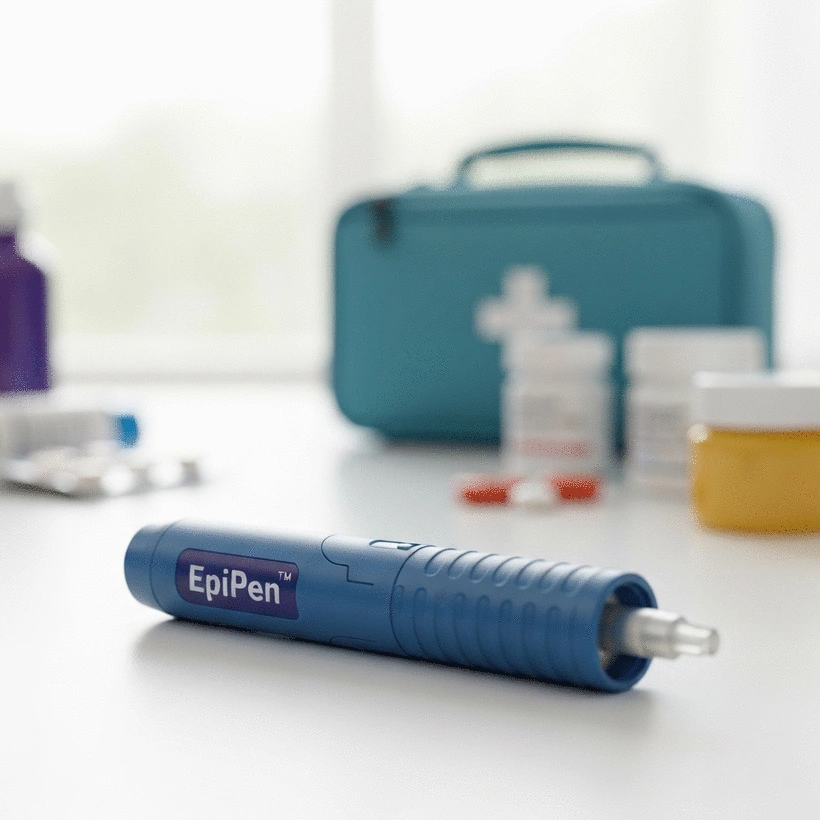
In today's allergy-aware world, being prepared for anaphylactic emergencies is crucial. With food allergies affecting millions, understanding the importance of EpiPens can empower you to act swiftly when it matters most.
What You Will Learn
- Food allergies affect approximately 32 million Americans, highlighting the need for emergency preparedness.
- Recognizing symptoms of anaphylaxis can save lives, with signs including difficulty breathing and swelling.
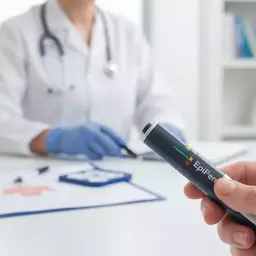
- EpiPens are crucial for reversing severe allergic reactions and should always be on hand if allergies are a concern.
- Education and training on EpiPen usage are essential for caregivers, teachers, and emergency responders.
Impact of Food Allergies: Key Statistics & Symptoms
Understanding the prevalence and symptoms of food allergies is crucial for effective management and emergency preparedness.
Food Allergy Prevalence in the US
32M+
Americans affected
1 in 13
Children with allergies
Doubled
Nut allergies recently
Common Anaphylaxis Symptoms
- ✓ Hives or rash
- ✓ Swelling (face, lips, throat)
- ✓ Shortness of breath
- ✓ Rapid heartbeat
Severe Anaphylaxis Indicators
- ✓ Difficulty breathing/swallowing
- ✓ Severe abdominal pain
- ✓ Feeling faint/lightheaded
- ✓ Loss of consciousness
EpiPen: Life-saving in Anaphylactic Emergencies
Immediate administration can reverse severe allergic reactions.Understanding the Importance of EpiPens in Anaphylactic Emergencies
In our increasingly allergy-aware society, understanding the role of EpiPens has never been more crucial. According to recent studies, food allergies affect approximately 32 million Americans, with an alarming increase in cases reported each year. This rise in prevalence underscores the vital need for effective emergency responses, especially when it comes to anaphylactic reactions. As someone who has navigated allergies firsthand, I can attest to the importance of being prepared and informed.
As we dive into this topic, it’s essential to recognize that having an EpiPen readily available can mean the difference between life and death during an anaphylactic emergency. With proper education and resources, we can empower ourselves and our loved ones to act swiftly when it matters most.
The Growing Prevalence of Food Allergies
Food allergies are a growing concern across all age groups, and the statistics are staggering. Here’s a snapshot of what we are seeing:
- About 1 in 13 children has a food allergy, often leading to severe reactions.
- Peanut and tree nut allergies have doubled in recent years.
- Hospital visits for anaphylaxis related to food allergies have significantly increased.
These trends highlight the urgent need for awareness and preparedness in emergency scenarios. Schools, workplaces, and public places must be equipped with knowledge and resources to respond effectively. At I'm Allergic, we believe that education is key to fostering a safer environment for individuals with food allergies.
What is Anaphylaxis and How Does it Occur?
Anaphylaxis is a severe, potentially life-threatening allergic reaction that can happen within minutes of exposure to an allergen. Common triggers include certain foods, insect stings, and medications. The urgency of prompt treatment cannot be overstated, as symptoms can escalate rapidly and lead to serious complications.
Understanding the signs of anaphylaxis is essential for effective emergency response. Typical symptoms encompass:
- Hives or rash
- Swelling of the face, lips, or throat
- Shortness of breath or wheezing
- Rapid heartbeat
If you or someone you know has been diagnosed with allergies, keeping an EpiPen on hand and knowing how to use it is crucial. Remember, every second counts in an anaphylactic emergency—being prepared can save a life!
Key Symptoms Indicating the Need for EpiPen Administration
Recognizing Anaphylactic Symptoms
Recognizing symptoms early is critical for effective intervention. Anaphylaxis can present a range of symptoms, including:
- Difficulty breathing or swallowing
- Severe abdominal pain
- Feeling faint or lightheaded
Knowing these signs empowers individuals and caregivers to act quickly. Remember, if you notice any of these symptoms following exposure to an allergen, it is essential to administer an EpiPen right away!
Identifying Severe vs. Mild Reactions
When it comes to allergic reactions, distinguishing between mild and severe symptoms is vital. Mild reactions may include localized hives or itchiness, while severe reactions, or anaphylaxis, can lead to life-threatening symptoms.
- Mild Reactions: Symptoms like rashes or slight swelling.
- Severe Reactions: Symptoms such as throat swelling, difficulty breathing, rapid heartbeat, or loss of consciousness.
If a severe reaction is suspected, don’t hesitate. Administer the EpiPen and call emergency services immediately. It's better to be safe than sorry when it comes to managing allergies!
Engagement Question
As we continue to raise awareness about food allergies and the importance of EpiPens, we want to hear from you! Have you or someone you know experienced an anaphylactic reaction? How did having an EpiPen on hand impact the situation? Share your experiences with us below:
Frequently Asked Questions About EpiPens and Anaphylaxis
- What is the primary purpose of an EpiPen?
- An EpiPen is an auto-injector device that delivers a dose of epinephrine (adrenaline) to reverse the severe symptoms of an anaphylactic reaction.
- How many Americans are affected by food allergies?
- Approximately 32 million Americans are affected by food allergies, with a significant number being children.
- What are common symptoms of anaphylaxis?
- Common symptoms include hives or rash, swelling of the face, lips, or throat, shortness of breath, rapid heartbeat, severe abdominal pain, feeling faint, and loss of consciousness.
- When should an EpiPen be administered?
- An EpiPen should be administered immediately if someone exhibits signs of a severe allergic reaction (anaphylaxis) after exposure to an allergen.
- Are there resources available for EpiPen users and caregivers?
- Yes, resources such as downloadable EpiPen action plans, school allergy management plans, and comprehensive user guides are available to help individuals and caregivers respond effectively to allergic emergencies. Organizations like the Food Allergy Research & Education (FARE) offer valuable tools, and the Asthma and Allergy Foundation of America (AAFA) provides resources for emergency care plans.
- What role does education play in managing food allergies?
- Education and training on EpiPen usage are essential for caregivers, teachers, and emergency responders to recognize symptoms and administer epinephrine promptly. Professional organizations such as the American Academy of Pediatrics (AAP) support ongoing training initiatives.
Summary of EpiPen's Role in Food Allergy Emergencies
The EpiPen serves a crucial purpose in managing food allergy emergencies, especially in cases of anaphylaxis. When an individual is exposed to a known allergen, the EpiPen can provide life-saving treatment by delivering epinephrine, a powerful medication that works quickly to reverse the symptoms of a severe allergic reaction. Understanding its role is essential for anyone living with allergies or caring for someone who does.
Awareness around anaphylaxis and the importance of carrying an EpiPen cannot be overstated. It's vital for our community, especially as the prevalence of food allergies continues to rise. The more informed we are, the better prepared we can be to respond effectively. Let’s keep pushing for awareness and education!
Taking Action: Resources for EpiPen Users and Caregivers
Downloadable EpiPen Action Plans and Resources
Having a plan can make all the difference in an emergency. At I’m Allergic, we provide downloadable EpiPen action plans that outline steps to take in case of an allergic reaction. These plans can be personalized and signed by a physician, ensuring that everyone involved knows how to respond effectively. The Food Allergy Research & Education (FARE) offers an emergency care plan that can be particularly useful.
These resources are not just helpful; they empower caregivers and schools to act swiftly and confidently when it matters most. Remember, knowledge is power!
Encouraging Training and Education on EpiPen Usage
Ongoing education on the use of EpiPens is vital for caregivers, teachers, and peers. I often emphasize that understanding how to recognize symptoms of anaphylaxis and when to administer an EpiPen can save lives. Training sessions can foster a culture of safety and preparedness, especially in environments like schools or community centers. The Asthma and Allergy Foundation of America (AAFA) highlights the importance of such plans.
- Hands-on training: Organizing workshops to practice EpiPen administration.
- Symptom recognition: Teaching how to identify signs of a severe allergic reaction.
- Regular refreshers: Offering periodic updates and training refreshers to keep everyone informed.
By investing in education, we can ensure that everyone is ready to act in an emergency. Let's keep the conversation going!
Promoting Allergy Awareness Campaigns in Communities
Local and national allergy awareness campaigns play a significant role in improving public knowledge about anaphylaxis and EpiPen usage. These initiatives help to spread information, reduce stigma, and foster understanding among those who may not be directly affected by allergies.
- Community events: Host awareness days that include demonstrations and talks from medical professionals.
- Social media campaigns: Utilize platforms to share stories, tips, and important information regarding allergies and emergency responses.
- Collaborative partnerships: Work with local businesses and schools to promote allergy awareness initiatives.
By promoting these campaigns, we contribute to a safer environment for everyone, especially those living with allergies. Let's advocate together!
Resources for Emergency Services and First Responders
Emergency services and first responders are often the first line of defense in allergy emergencies. Providing them with the right training and resources is critical for effective management. At I’m Allergic, we advocate for enhanced training that equips responders with the knowledge to handle anaphylactic situations confidently. The American Academy of Pediatrics (AAP) provides guidelines and support for emergency preparedness.
- Training modules: Develop training programs specific to allergy emergencies for first responders.
- Accessible resources: Ensure that quick-reference guides about EpiPen usage and allergy symptoms are available in all emergency vehicles.
- Collaboration with healthcare professionals: Partner with allergists and other specialists to provide in-depth training sessions.
These resources are invaluable in ensuring that emergency responders can act quickly and effectively during critical moments. Together, we can ensure that the entire community is prepared for allergy emergencies!
Recap of Key Points
Here is a quick recap of the important points discussed in the article:
- Food allergies affect approximately 32 million Americans, highlighting the need for effective emergency responses.
- Understanding anaphylaxis and its symptoms is crucial for timely intervention, with EpiPens providing life-saving treatment.
- Recognizing the difference between mild and severe allergic reactions can guide appropriate action during emergencies.
- Education and resources, such as downloadable EpiPen action plans, empower individuals and caregivers to respond effectively.
- Promoting allergy awareness through community initiatives helps foster understanding and preparedness among the public.