Reading Food Labels for Allergens
As we navigate an increasingly allergen-aware world, understanding food labels is more crucial than ever. Your safety hinges on making informed choices, and the right knowledge can empower you to shop with confidence.
What You Will Learn
- Identify the major allergens, including the Big 9 and Big 14, to help avoid severe reactions.
- Understand the legal regulations like FALCPA and the FASTER Act that ensure allergens are clearly labeled.
- Learn the importance of allergen advisory statements, such as “may contain” and “produced in a facility that processes,” to avoid cross-contamination.
- Discover effective strategies for locating allergens on food packaging to make safer shopping choices.
- Empower yourself as an allergy-safe shopper by asking questions and advocating for your health while purchasing food products.
Key Allergen Regulations and Advisory Statements
The visual below outlines the major allergen categories and the legal frameworks that ensure their disclosure on food labels, followed by crucial advisory statements for consumer safety.
The Big 9 Allergens
- 🥛 Milk
- 🥚 Eggs
- 🐟 Fish
- 🦀 Shellfish
- 🌰 Tree nuts
- 🥜 Peanuts
- 🌾 Wheat
- 🌱 Soybeans
- Sesame
Legal Frameworks
FALCPA
Mandates clear labeling of major allergens.
FASTER Act
Expanded the list of regulated allergens (e.g., Sesame).
FDA Guidelines
Ensures manufacturers comply with regulations.
Advisory Statements
"May Contain"
Indicates potential allergen presence (e.g., shared equipment).
"Produced in a Facility..."
Alerts to potential cross-contact risks.
Understanding Food Label Regulations for Allergen Safety
When it comes to navigating allergies, understanding food label regulations is crucial for your safety. At I’m Allergic, we believe that knowledge is power. Food labels can be your best friend, guiding you away from allergens and toward safe choices. Let's dive into what you need to know!
First, it's essential to recognize the major allergens you should be aware of. These allergens can cause severe reactions, and regulations are in place to help you identify them quickly while shopping.
What Are the Major Allergens You Need to Watch For?
The Big 9 allergens include:
- Milk
- Eggs
- Fish
- Shellfish
- Tree nuts
- Peanuts
- Wheat
- Soybeans
- Sesame
These allergens are the most common culprits behind food allergies. Additionally, the Big 14 includes newer allergens like mustard and celery, highlighting the ever-evolving landscape of food allergies. Knowing these terms will empower you to make safer food choices.
Legal Framework: FALCPA, FASTER Act, and FDA Guidelines
Understanding the legal framework guiding allergen labeling is vital. The Food Allergen Labeling and Consumer Protection Act (FALCPA) mandates that food labels clearly state the presence of these major allergens. This means that manufacturers must identify allergens in a straightforward manner.

Furthermore, the FASTER Act recently expanded this list, enhancing safety and awareness for consumers. For more detailed guidance, the FDA provides guidelines to ensure that food manufacturers comply with these regulations, helping to keep you safe while shopping.
Allergen Disclosure and Advisory Statements
Allergen advisory statements, like “may contain” or “produced in a facility that processes,” serve as important warnings for consumers. These statements are crucial because they disclose potential cross-contamination risks that could occur during food production.
- “May contain” statements indicate possible allergen presence due to shared equipment.
- “Produced in a facility that processes” alerts you to potential cross-contact risks.
By paying attention to these advisory statements, you can make more informed decisions while shopping. If you ever feel uncertain, don’t hesitate to reach out to manufacturers for clarification!
Locating Allergens on Food Packaging
Now that we've covered regulations, let’s talk about how to locate allergens on food packaging. This step is essential for anyone managing allergies effectively.
Being proactive about reading labels can significantly reduce the risk of allergic reactions. So, let's break down the best practices for locating allergens!
Pro Tip
When shopping for allergy-safe foods, consider using a mobile app that scans barcodes for allergen information. This can save you time and help ensure you make safe choices without the hassle of reading every label. Additionally, familiarize yourself with brands that are known for their allergen-friendly practices, as they can provide a sense of security when selecting products.
Frequently Asked Questions About Food Allergen Labeling
- What are the Big 9 allergens?
- The Big 9 allergens are Milk, Eggs, Fish, Shellfish, Tree nuts, Peanuts, Wheat, Soybeans, and Sesame. These are the most common food allergens responsible for severe reactions.
- What is the FALCPA?
- FALCPA stands for the Food Allergen Labeling and Consumer Protection Act. It is a U.S. law that mandates clear labeling of the major food allergens on packaged food products.
- How did the FASTER Act change allergen labeling?
- The FASTER Act expanded the list of regulated major food allergens to include sesame, making it the ninth major allergen that must be clearly declared on food labels.
- What do "may contain" and "produced in a facility that processes" statements mean?
- These are advisory statements indicating potential cross-contamination. "May contain" suggests the allergen might be present due to shared equipment, while "produced in a facility that processes" warns about potential cross-contact within the manufacturing environment.
- Why is it important to read food labels carefully?
- Reading food labels carefully is crucial for individuals with food allergies to identify and avoid allergens, prevent allergic reactions, and make informed, safe food choices.
Summarizing the Importance of Food Label Literacy
In today’s world, being able to read food labels is more crucial than ever, especially for those of us living with allergies. Understanding how to navigate food labels can make a significant difference in ensuring our safety and overall health. It’s not just about avoiding allergens; it’s about empowering ourselves with knowledge to make informed choices every time we shop!
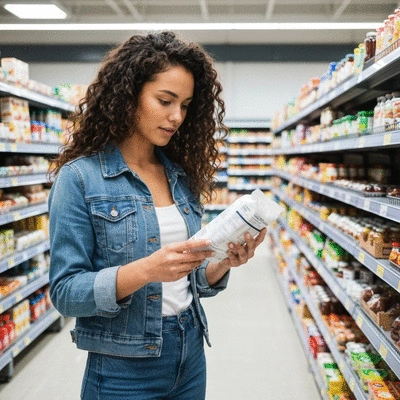
At I’m Allergic, I believe that food label literacy helps us take control of our health. Recognizing allergens and understanding what’s in our food gives us the confidence to choose safe options and enjoy meals without fear. So, let’s take a moment to appreciate this important skill!
Next Steps: Empowering Yourself as an Allergy-Safe Shopper
Now that you know the ins and outs of reading food labels, it’s time to put this knowledge into action! I encourage you to implement the strategies we discussed earlier and remain vigilant about food safety while shopping. Remember, it’s perfectly acceptable to ask questions about ingredients and allergen safety when you’re uncertain. Your health is worth that extra step!
I'd love to hear about your experiences too! Have you found a new favorite product that’s allergy-friendly? Or maybe you have tips from your own label-reading journey? Please share your stories and questions with me, as we can learn together and build a supportive community.
Resources for Food Allergy Awareness and Education
To help you stay informed, I’ve compiled a list of valuable resources for food allergy awareness and education:
- Food Allergy Research & Education (FARE) - A comprehensive resource for food allergy education, advocacy, and research.
- CDC Food Allergies - Public health resources from the Centers for Disease Control and Prevention.
- American Academy of Allergy, Asthma & Immunology (AAAAI) - Access to information on food allergies, including treatment options.
- Australian Society of Clinical Immunology and Allergy (ASCIA) - A global leader in allergy education and management resources.
These resources can empower you with the latest information and support as you navigate your allergy journey. Remember, knowledge is key in ensuring a safe and fulfilling life as you manage your allergies!
Recap of Key Points
Here is a quick recap of the important points discussed in the article:
- Be aware of the major allergens known as the Big 9, including Milk, Eggs, Fish, Shellfish, Tree nuts, Peanuts, Wheat, Soybeans, and Sesame.
- Understand the legal framework of allergen labeling, including the Food Allergen Labeling and Consumer Protection Act (FALCPA) and the FASTER Act.
- Pay attention to allergen advisory statements such as “may contain” and “produced in a facility that processes” to avoid cross-contamination risks.
- Regularly read food labels and educate yourself on the ingredients to make informed choices while shopping.
- Utilize available resources for food allergy awareness, such as FARE and CDC Food Allergies, to stay informed and empowered.