Medication Allergies During Pregnancy: What to Know
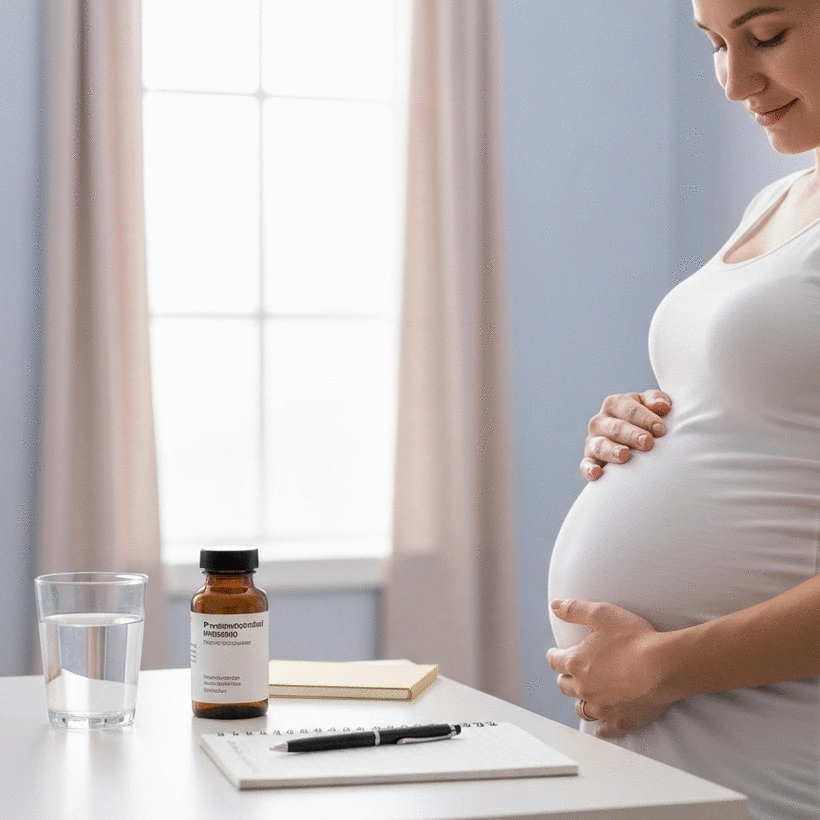
When it comes to pregnancy, every decision counts, especially regarding medication. Understanding medication allergies during this delicate time can significantly impact both maternal and fetal health.
What You Will Learn
- Medication allergies involve the immune system reacting negatively to drugs, with symptoms ranging from mild rashes to severe anaphylaxis.
- Common trigger medications include antibiotics, NSAIDs, and certain antihistamines, highlighting the need for awareness.
- Always consult healthcare providers before taking any medication during pregnancy to ensure safety for both mother and baby.
- Recognizing allergic reactions—such as skin issues, respiratory problems, and gastrointestinal disturbances—is crucial for timely intervention.
- Weigh the benefits and risks of allergy medications carefully, considering potential effects on fetal development.
- Discuss your complete medical history with healthcare professionals to tailor safe medication advice specific to your allergies.
Medication Allergy Management During Pregnancy
Navigating medication allergies while pregnant requires careful consideration of potential risks and benefits for both mother and baby. The process involves comprehensive consultation and informed decision-making.
What is a Medication Allergy?
- •Immune system reacts adversely to drugs.
- •Symptoms range from mild (rashes) to severe (anaphylaxis).
- •Trigger meds: Antibiotics, NSAIDs, some antihistamines.
Key Steps for Safety in Pregnancy
- •Consult healthcare providers for all medications.
- •Stay informed about medication effects on pregnancy.
- •Monitor and report any allergic reactions promptly.
Common Allergic Reactions
- •Skin reactions: Rashes, hives, itchiness.
- •Respiratory issues: Difficulty breathing, wheezing.
- •Gastrointestinal: Nausea, vomiting, diarrhea.
Factors to Weigh for Medication Decisions
- •Potential effects on fetal development.
- •Timing of medication during pregnancy stages.
- •Availability of alternative treatment options.
Understanding Medication Allergy During Pregnancy
Pregnancy is a time filled with excitement and anticipation, but it also brings along its own set of challenges, especially for those with allergies. Understanding medication allergies during pregnancy is crucial for the safety of both mother and baby. It’s important to navigate this complex landscape with care, as many common medications can trigger allergic reactions.
As someone who has faced my own allergy challenges, I recognize the need for reliable information. At I’m Allergic, we emphasize the importance of being informed about what you’re putting into your body during this delicate time. Let’s dive into what a medication allergy is and why safety should always come first.
What is a Medication Allergy?
A medication allergy occurs when the body's immune system reacts adversely to a drug, mistaking it for a harmful substance. This can lead to various symptoms ranging from mild reactions, such as rashes, to severe responses like anaphylaxis. It's essential for expectant mothers to recognize these reactions to avoid potential harm.
- Symptoms of medication allergies: Common signs include hives, swelling, difficulty breathing, and gastrointestinal issues.
- Trigger medications: Antibiotics, nonsteroidal anti-inflammatory drugs (NSAIDs), and certain antihistamines are frequent culprits.
- Testing and diagnosis: Allergy testing under the guidance of a healthcare professional can help identify specific triggers.
Knowing your allergens can empower you to make safe choices during pregnancy. Always consult with a healthcare provider before taking any medications, as their guidance can help steer you clear of potential risks. For more in-depth information on managing allergies during pregnancy, resources are available to help you navigate this journey.
The Importance of Safety in Pregnancy
Safety during pregnancy transcends personal comfort; it directly impacts the health of your baby. Every medication you take can affect your developing child, making it vital to be cautious. Understanding the safety profiles of allergy medications is part of ensuring a healthy pregnancy.
- Consulting healthcare providers: Always discuss any medications with your doctor or pharmacist to assess safety.
- Staying informed: Researching medications can help you understand their effects on pregnancy.
- Monitoring symptoms: Keep track of any allergic reactions and report them to your physician.
As you navigate this journey, remember that you are not alone. There are resources and support systems available to help you make informed decisions. For additional guidance on which allergy medicines are safe during pregnancy, speak with your healthcare provider.
Recognizing Common Allergic Reactions
Awareness of common allergic reactions is vital for pregnant women managing allergies. Recognizing the signs early can help prevent serious complications. Here are some typical responses to watch out for:
- Skin reactions: Rashes, hives, or itchiness often indicate an allergic response.
- Respiratory issues: Difficulty breathing, wheezing, or coughing may signal a more severe reaction.
- Gastrointestinal disturbances: Nausea, vomiting, or diarrhea can also stem from allergic reactions to medications.
If you experience any of these symptoms, it’s crucial to seek medical attention immediately. Timely intervention can make a significant difference in ensuring both your health and that of your baby.
We Want to Hear From You!
As you navigate the complexities of managing medication allergies during pregnancy, what strategies have you found most helpful? Share your thoughts below:
Frequently Asked Questions About Medication Allergies During Pregnancy
What is a medication allergy, and how does it differ from a side effect?
A medication allergy is an adverse immune system reaction to a drug, where the body mistakenly identifies it as harmful. Symptoms can range from mild (rashes) to severe (anaphylaxis). A side effect, on the other hand, is a predictable and often mild reaction to a medication that is not immune-mediated.
Which common medications are known to trigger allergic reactions in pregnant women?
Common culprits include antibiotics, nonsteroidal anti-inflammatory drugs (NSAIDs), and certain antihistamines. It's crucial to consult with a healthcare provider about any medications you are taking or considering.
What are the key symptoms of an allergic reaction to medication during pregnancy?
Symptoms can include skin reactions (rashes, hives, itchiness), respiratory issues (difficulty breathing, wheezing, coughing), and gastrointestinal disturbances (nausea, vomiting, diarrhea). Seek immediate medical attention if you experience any of these.
How can I ensure the safety of both myself and my baby when dealing with medication allergies during pregnancy?
Always consult your healthcare provider before taking any medication. Discuss your complete medical history, stay informed about medication effects, and monitor and report any allergic reactions promptly. Considering alternative treatments and weighing benefits against risks is also crucial.
What factors should be considered when weighing the benefits and risks of allergy medications during pregnancy?
Key factors include the potential effects on fetal development, the timing of medication during different pregnancy stages, and the availability of safer alternative treatment options. Open communication with your doctor about these aspects is essential.
Weighing the Benefits and Risks of Allergy Medications
When it comes to managing allergies during pregnancy, understanding the benefits and risks of various medications is crucial. As someone who has navigated allergies myself, I know how overwhelming it can be to make informed choices while also considering the safety of your baby. Consulting with a healthcare professional can provide clarity and guidance tailored to your unique situation.
It's important to weigh these factors carefully, especially since some medications can have potential side effects. Here are several points to consider:
- Potential effects on fetal development
- Timing of medication in relation to pregnancy stages
- Alternative treatment options available
By discussing these aspects with your doctor, you can arrive at a more informed decision that balances your health needs with those of your baby. Remember, you’re not alone in this journey!
Consulting with Healthcare Professionals
Reaching out to healthcare professionals is a vital step in ensuring safety for both you and your child. Whether it’s your OB-GYN or an allergist, these experts can provide invaluable insights on which medications to take and which to avoid. It's not just about finding relief; it’s about doing it the safest way possible.
- Share your complete medical history
- Discuss all medications you're currently taking
- Inquire about alternatives that may be safer
Having open conversations with your healthcare team can help alleviate your worries and empower you in managing your allergies effectively during pregnancy. For further information on managing seasonal allergies during pregnancy, consider consulting trusted sources like MotherToBaby.
Making Informed Decisions for You and Your Baby
Your health and your baby's well-being should always come first! It’s essential to gather as much information as possible before making decisions about allergy medications. This includes understanding the condition of your allergies, the severity of your symptoms, and how these factors might impact your pregnancy.
Consider these questions to guide your decision-making process:
- What are the potential side effects of the medication?
- Are there any documented risks for pregnant women?
- What are the benefits of taking this medication?
Taking the time to reflect on these questions can lead you to choices that provide both relief and safety for you and your baby!
Assessing Risk Factors and Maternal Health
It’s essential to assess your own health and any risk factors before starting any allergy medication. Factors such as pre-existing health conditions or complications during pregnancy can significantly influence what medications are safe for you.
Here are some important risk factors to consider:
- History of allergic reactions to medications
- Pre-existing health conditions like asthma or hypertension
- Family history of allergies or pregnancy complications
By evaluating these aspects, you can better understand how to manage your allergies while prioritizing your health and the health of your growing baby. Never hesitate to ask for advice—after all, we’re all in this together!
Recap of Key Points
Here is a quick recap of the important points discussed in the article:
- Medication allergies occur when the immune system reacts adversely to drugs, with symptoms ranging from mild to severe.
- Common trigger medications include antibiotics, NSAIDs, and certain antihistamines.
- Always consult with healthcare providers before taking any medications to ensure safety during pregnancy.
- Recognize common allergic reactions such as skin rashes, respiratory issues, and gastrointestinal disturbances.
- Weigh the benefits and risks of allergy medications, considering fetal development and alternative treatments.
- Share your complete medical history with healthcare professionals to receive tailored advice for managing allergies during pregnancy.