Allergy-Free Diet Food Guide

What if you could transform your relationship with food and live confidently despite your allergies? Understanding the intricacies of an allergy-free diet is the first step towards empowerment and a healthier lifestyle.
What You Will Learn
- Learn to identify the most common food allergens, such as peanuts, dairy, and eggs, and understand their potential impact on health.
- Discover how transitioning to an allergy-free diet can significantly improve your quality of life, from reducing anxiety around food to enhancing meal enjoyment.
- Explore the importance of whole foods in an allergy-free diet, including fruits, vegetables, and gluten-free grains, for better nutrition.
- Gain insight into safe alternatives for common allergens, including dairy-free options and egg substitutes for cooking and baking.
- Understand the significance of being vigilant about lesser-known allergens like soy, fish, shellfish, and sesame when making food choices.
- Recognize the benefits of gluten-free diets, including reduced inflammation and improved overall health.
Common Allergens and Their Alternatives
This visual highlights prevalent food allergens and offers safe, delicious alternatives to help manage an allergy-free diet effectively.
Dairy
Commonly found in milk, cheese, yogurt.
- Almond milk
- Coconut yogurt
- Oat milk
Eggs
Key ingredient in many baked goods.
- Flaxseed meal
- Applesauce
- Mashed bananas
Gluten (Wheat)
Found in wheat, barley, rye.
- Quinoa
- Brown rice
- Millet
Nuts (Tree Nuts/Peanuts)
Commonly in snacks, spreads, desserts.
- Sunflower seed butter
- Pumpkin seed snacks
- Rice cakes with hummus
Soy
Present in many processed foods, tofu.
- Coconut aminos
- Legumes (non-soy)
- Pea protein
Fish & Shellfish
Seafood; often cross-contaminates.
- Chicken, beef, pork
- Legumes
- Plant-based proteins
Sesame
Used in tahini, oils, baked goods.
- Olive oil
- Sunflower oil
- Nut-free spreads
Understanding the Allergy-Free Diet: Why It Matters
Living with allergies can feel like navigating a complex maze. An allergy-free diet is not just about avoiding certain foods; it's about empowering yourself to make informed choices that lead to a healthier, happier life. By understanding what an allergy-free diet entails, you can take significant strides towards managing your allergies effectively!

This journey begins with identifying common allergens that may be lurking in your meals. With the right knowledge, you'll not only protect yourself but also discover how an allergy-free lifestyle can enhance your overall well-being.
Identifying Common Food Allergens and Their Impact
Food allergies can manifest in various ways, affecting individuals differently. Here are some of the most common food allergens you should be vigilant about:
- Peanuts
- Tree nuts
- Dairy
- Eggs
- Wheat
- Soy
- Fish
- Shellfish
- Sesame
Recognizing these allergens is critical. They can cause symptoms ranging from mild discomfort to life-threatening reactions. Not knowing your allergens can lead to serious health risks, making awareness key! For further information on diagnosing and managing food allergies, you can consult resources such as the National Institutes of Health (NIH) research on food allergy diagnosis.
How an Allergy-Free Diet Can Improve Quality of Life
Transitioning to an allergy-free diet can have profound effects on your quality of life. It not only reduces the risk of allergic reactions but also enables you to enjoy meals without constant worry. Imagine dining out or attending social gatherings with peace of mind, knowing you've made safe choices!
By focusing on nutritious whole foods, you can also find joy in cooking and exploring new flavors. This shift can help you feel more in control and alleviate the stress that often accompanies food allergies. For insights into the psychological impact of food allergies and coping strategies, the National Library of Medicine offers detailed articles on the topic.
Exploring the Role of Whole Foods in an Allergy-Free Diet
Whole foods play a crucial role in maintaining an allergy-free lifestyle. These foods are minimally processed and free from common allergens, making them excellent choices for anyone managing allergies. Here are some staples to consider incorporating into your diet:
- Fruits and vegetables
- Whole grains like quinoa and brown rice
- Legumes, such as lentils and beans
- Healthy fats from olive oil and avocados
Whole foods not only nourish your body but also provide a wealth of flavors and textures. As you explore these options, you'll find that eating well can be both fulfilling and safe, paving the way for a healthier future.
Pro Tip
When dining out or purchasing packaged foods, always ask about ingredient sourcing and preparation methods. Cross-contamination can occur easily, and being proactive about your allergies ensures safer choices. Don't hesitate to communicate your needs—most restaurants and brands appreciate your diligence!
Top 9 Allergens: What to Avoid and Why
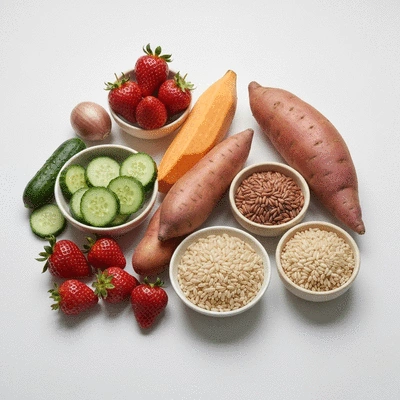
When navigating an allergy-free lifestyle, understanding common allergens is crucial. Knowing what to avoid not only helps you stay safe but also empowers you to make informed choices about your diet. Let’s dive into the top nine allergens and explore why they can be problematic for many individuals.
These allergens are prevalent in a variety of foods, and awareness can significantly reduce the risk of exposure. With effective strategies and alternatives, we can create a safe eating environment for ourselves and our loved ones. Here’s a closer look at these allergens:
- Dairy
- Eggs
- Gluten
- Nuts (including tree nuts and peanuts)
- Soy
- Fish
- Shellfish
- Sesame
- Wheat
Each of these allergens can trigger a range of reactions, from mild discomfort to severe health risks. Being educated about them allows for better choices and safer dining experiences! For more on allergen management, consider reviewing the American Academy of Pediatrics guidelines on food introduction and allergy prevention.
Dairy and Alternatives: Exploring Dairy-Free Options
Dairy is one of the most common allergens affecting many individuals. Whether it's milk, cheese, or yogurt, the protein in dairy can trigger allergic reactions. Fortunately, there are many dairy-free alternatives available that can seamlessly fit into your diet. Here are some of my favorites:
- Almond milk
- Coconut yogurt
- Cashew cheese
- Oat milk
- Rice milk
These alternatives not only provide similar textures and flavors but also come with added benefits, such as lower calories or enriched nutrients. It’s essential to read labels, as some brands may still contain traces of dairy, so always double-check!
Egg-Free Solutions: Safe Substitutes for Baking and Cooking
Eggs are another common allergen, especially in baked goods. The good news is, I’ve found several effective substitutes that work well in cooking and baking. Here are some of my go-to options:
- Flaxseed meal (1 tablespoon mixed with 3 tablespoons water)
- Chia seeds (similar to flaxseed)
- Applesauce (1/4 cup replaces one egg)
- Mashed bananas (1/2 banana for one egg)
- Commercial egg replacers
These substitutes not only help achieve the right consistency but can also add unique flavors to your dishes! Don’t hesitate to experiment to see what works best for your recipes.
Gluten-Free Grains: Finding Safe Carbohydrate Choices
Gluten can cause serious health issues for those with celiac disease or gluten intolerance. Thankfully, there are plenty of gluten-free grains that can be incorporated into your diet without sacrificing flavor or nutrition. Here are some excellent options:
- Quinoa
- Brown rice
- Millet
- Amaranth
- Teff
These grains are not only gluten-free but also packed with essential nutrients. They can be used in salads, as side dishes, or even as the base of your meals.
Nut-Free Choices: Identifying Safe Snacks and Spreads
For those with nut allergies, it’s crucial to find safe snacks and spreads that don’t trigger allergic reactions. Here are some nut-free options that are delicious and versatile:
- Sunflower seed butter
- Pumpkin seed snacks
- Rice cakes with hummus
- Popcorn (without nuts)
- Dried fruit and seed mix
These snacks can satisfy your cravings while keeping you safe. Plus, many of them are rich in vitamins and minerals!
Understanding Soy, Fish, Shellfish, and Sesame Allergies
Beyond the common allergens listed above, soy, fish, shellfish, and sesame can pose serious risks for those allergic. It’s essential to be aware of these allergens when selecting foods. For instance, many processed foods may contain soy products without obvious labeling. Always read ingredient lists carefully!
Incorporating variety and knowledge into your cooking can make managing these allergies much easier. You’re not alone in this journey, and we’re here to help you find safe alternatives that fit your lifestyle.
Recognizing Gluten-Free Foods and Their Benefits
As we wrap up this section, remember that recognizing gluten-free foods goes beyond just avoiding wheat. Many products are labeled gluten-free and are safe to consume for those with gluten-related disorders. Here’s a quick list of benefits:
- Reduced inflammation
- Improved digestion
- Enhanced energy levels
- Better skin health
Choosing gluten-free options can lead to an overall healthier lifestyle, and it’s worth exploring what works best for you. Embrace this journey with confidence, knowing that safe and delicious food choices are readily available!
Frequently Asked Questions About Allergy-Free Diets
- What is an allergy-free diet?
- An allergy-free diet is a dietary approach focused on avoiding specific foods or ingredients that trigger allergic reactions in an individual. It's about making informed choices to ensure safety and improve quality of life.
- What are the most common food allergens?
- The most common food allergens include peanuts, tree nuts, dairy, eggs, wheat, soy, fish, shellfish, and sesame. Vigilance and careful label reading are essential for those with these allergies.
- How can an allergy-free diet improve my quality of life?
- An allergy-free diet can significantly improve your quality of life by reducing the risk of allergic reactions, alleviating anxiety around food, and promoting a sense of control and enjoyment during meals and social gatherings.
- What role do whole foods play in an allergy-free diet?
- Whole foods are crucial in an allergy-free diet because they are minimally processed and naturally free from many common allergens. They provide essential nutrients, flavors, and textures, making eating both safe and fulfilling.
- What are some good dairy-free alternatives?
- Popular dairy-free alternatives include almond milk, coconut yogurt, cashew cheese, oat milk, and rice milk. Always check labels for hidden dairy or cross-contamination.
- Are there effective egg substitutes for baking?
- Yes, effective egg substitutes for baking include flaxseed meal mixed with water, chia seeds, applesauce, mashed bananas, and commercial egg replacers. Experimenting with these can help maintain taste and texture in recipes.
- What are some safe gluten-free grains?
- Safe gluten-free grains include quinoa, brown rice, millet, amaranth, and teff. These grains are nutritious and versatile for various meals.
- How can I identify hidden allergens in processed foods?
- Always read ingredient lists carefully on all packaged foods. Allergens like soy can be present in many processed items under less obvious names. When dining out, always inquire about ingredients and preparation methods to avoid cross-contamination.
Recap of Key Points
Here is a quick recap of the important points discussed in the article:
- Identify and avoid common food allergens such as peanuts, tree nuts, dairy, eggs, wheat, soy, fish, shellfish, and sesame.
- Transitioning to an allergy-free diet can significantly enhance your quality of life by reducing anxiety around food and enabling you to enjoy meals.
- Incorporate whole foods, such as fruits, vegetables, whole grains, and legumes, as they are often free from common allergens and packed with nutrition.
- Explore dairy-free and egg-free alternatives, such as almond milk and flaxseed meal, to enjoy your favorite recipes safely.
- Be aware of hidden allergens in processed foods, particularly soy, fish, shellfish, and sesame, and always read ingredient labels carefully.