Allergen-Friendly Kitchen: Key Steps
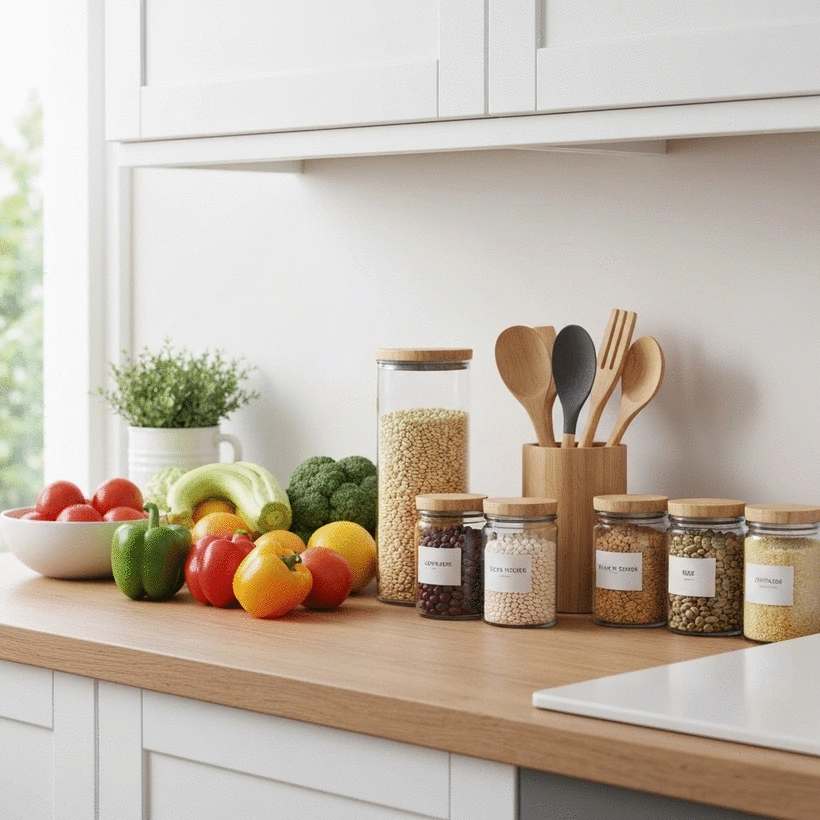
Creating an allergen-friendly kitchen isn’t just a necessity for those with allergies; it’s a commitment to the well-being of everyone in the household. By understanding the dynamics of your kitchen and the potential risks, you can foster an environment that is safe and welcoming for all. Let’s dive into the key lessons that will help you navigate this important journey.
What You Will Learn
- Creating an allergen-friendly kitchen is essential for protecting those with allergies and ensuring everyone's safety.
- Familiarity with common allergens—such as peanuts, tree nuts, and dairy—can prevent serious health risks.
- Recognizing symptoms of food allergies is crucial for timely diagnosis and management.
- Effective communication about food allergies among family and guests fosters a safer cooking environment.
- Avoiding cross-contact in the kitchen is vital to prevent allergic reactions during meal preparation.
- Utilizing resources like allergen-specific protocol cards and apps can enhance kitchen safety and organization.
Common Allergens and Safety Measures
Understanding common allergens and the importance of safety measures is crucial for an allergen-friendly kitchen. This chart highlights prevalent allergens and their potential impact.
Common Food Allergens
Peanuts & Tree Nuts
Can trigger severe anaphylaxis.
Milk & Eggs
Common in children, can cause hives, digestive issues.
Wheat & Soy
Can lead to gastrointestinal distress, skin reactions.
Fish & Shellfish
Often adult-onset, can cause severe reactions.
Impact and Prevention Strategies
Why Safety Matters
- Protect Lives (critical reactions)
- Promote Inclusivity (safe meals)
- Build Knowledge (educate others)
Key Mistakes to Avoid
- Neglecting cross-contact
- Ignoring ingredient labels
- Poor communication
Understanding the Importance of an Allergen-Friendly Kitchen
Creating an allergen-friendly kitchen is essential for anyone living with allergies. At I’m Allergic, we recognize the critical role that a safe cooking environment plays in your daily life. An allergen-friendly kitchen not only protects those with allergies but also promotes overall health and well-being for everyone in the household!
When you take the time to understand your kitchen's dynamics, you can create a space that minimizes the risk of allergic reactions. This initiative starts with understanding why food allergy safety matters, especially in our homes, where we often feel the safest.
Why Food Allergy Safety Matters for Every Home
Food allergies can lead to severe health consequences, so it's important to prioritize safety in your kitchen. Every household should be aware of the potential dangers and how to mitigate them. Ensuring food allergy safety is not just for those with allergies but for all family members and guests.
- Protect Lives: Avoiding allergic reactions can be critical and even life-saving.
- Promote Inclusivity: A safe kitchen allows everyone to feel welcome and included during meals.
- Build Knowledge: Understanding food allergies can help educate others, fostering greater awareness.
By fostering an allergen-friendly environment, you can create a safer place that encourages family and friends to enjoy meals together without worry. Remember, knowledge is power, and it starts in your kitchen!

Common Allergens and Their Impact on Health
When we talk about allergens, it's essential to highlight the most common ones that can trigger reactions. Knowing these can help you make informed choices when preparing food. There are nine major food allergens recognized by the FDA that are responsible for the majority of serious allergic reactions in the United States. Here are a few of the most prevalent allergens:
- Peanuts
- Tree nuts
- Milk
- Eggs
- Wheat
- Soy
- Fish
- Shellfish
Each of these allergens can cause a range of reactions, from mild symptoms like hives to severe anaphylaxis. The potential for serious health impacts underscores the need for vigilance in your kitchen. It's important to familiarize yourself with these allergens and take the necessary precautions to keep everyone safe!
Exploring Food Allergies: Symptoms and Diagnosis
Understanding the symptoms of food allergies is crucial for early detection and management. Common symptoms can include:
- Skin reactions such as hives or eczema
- Gastrointestinal issues like nausea or vomiting
- Respiratory problems, including wheezing or difficulty breathing
- Anaphylaxis, which is a severe, life-threatening reaction
If you suspect you or someone in your household has a food allergy, it's important to seek professional diagnosis through allergy testing. This not only provides clarity on which foods to avoid but also helps in creating a personalized management plan.
At I’m Allergic, we believe that awareness and understanding can empower individuals to navigate their allergies confidently. Taking the right steps to educate yourself and your family can make the world of difference in managing these allergies effectively!
Interactive Poll: Your Experience Matters!
What is your biggest challenge when creating an allergen-friendly kitchen? Choose one option below:
Wrapping Up Your Journey to an Allergen-Friendly Kitchen
Creating an allergen-friendly kitchen is a vital step in ensuring the safety of those affected by allergies. It can be a rewarding journey, but it's essential to be aware of common pitfalls along the way. By understanding and avoiding these mistakes, you can foster a healthier and more secure cooking environment for you and your loved ones.
Common Mistakes to Avoid While Creating an Allergen-Friendly Kitchen
- Neglecting Cross-Contact Prevention: It's easy to overlook cross-contact when you're busy cooking. Always be diligent about using separate utensils and surfaces for allergen-free foods.
- Overlooking Ingredient Labels: Even familiar products can change their formulations. Make it a habit to always read ingredient labels, even if you've purchased an item before.
- Not Communicating with Family or Guests: Keeping everyone informed about allergies and safety practices is crucial. Don’t assume that everyone knows the protocols—encourage open discussions!
- Ignoring Cleaning Protocols: A clean kitchen is a safe kitchen! Ensure you regularly sanitize surfaces and utensils to prevent allergen buildup.
By steering clear of these common mistakes, you can create a safer cooking space for all. Remember, prevention and communication are key!
Final Tips for Maintaining a Safe Cooking Environment
- Establish a Routine: Regularly clean and check your kitchen for allergens. Consistency is essential for maintaining safety.
- Engage Everyone in the Process: Make cooking a family affair! Involving everyone not only educates them but also creates camaraderie around allergy safety.
- Stay Informed: Keep up with the latest allergy research and resources. Websites like I'm Allergic offer valuable insights and updates that can help you stay ahead.
- Utilize Tools and Resources: Consider using allergen tracking apps or printable resources to keep everyone on the same page regarding food safety.
With these tips, you'll foster a proactive approach to allergy safety. It only takes a little effort to create a kitchen that meets everyone’s needs!
Taking Action: Resources and Tools for Your Allergen-Friendly Kitchen
Once you've laid the groundwork for an allergen-friendly kitchen, it’s time to arm yourself with the right resources and tools. This ensures you’re prepared to manage allergens effectively and confidently.
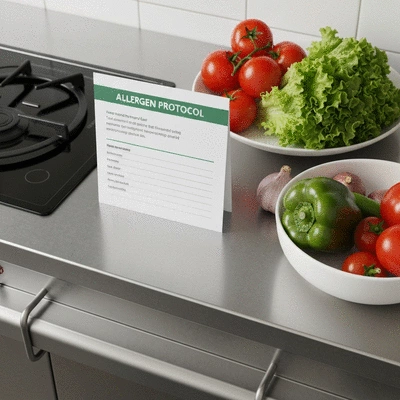
Downloadable Allergen-Specific Protocol Cards
Having allergen-specific protocol cards can be extremely helpful in reminding everyone of safety measures while cooking. These can include lists of allergens, symptoms, and emergency contacts. You can easily print these cards or keep digital copies on your phone for quick access!
Recommended Apps for Allergen Tracking and Kitchen Inventory
- My Allergies: This app helps track your allergens and provides notifications if you’re near a potential risk.
- Fooducate: A useful tool for scanning barcodes and determining if a food product is safe based on your allergies.
- AllergyEats: Great for finding restaurants that cater to specific food allergies, ensuring you dine safely.
Utilizing these tools can simplify your cooking experience and keep everyone safe while allowing you to enjoy delicious meals!
Engaging with the Community for Support and Sharing Strategies
As someone who understands the challenges of living with allergies, I encourage you to connect with others in similar situations. Community support can provide invaluable insights, tips, and encouragement.
Connecting with Allergy Support Groups and Community Support Networks
Consider joining local allergy support groups or online forums. Sharing experiences with others can inspire new ideas and strengthen your resolve. For guidance on creating a safe kitchen, Food Allergy Research & Education (FARE) offers comprehensive steps.
Sharing Your Allergen-Friendly Recipes and Tips, Including Allergy-Friendly Snacks and Allergen-Free Cookbooks
Don't keep your successes to yourself! Share your favorite allergen-friendly recipes or resources. By doing so, you not only help yourself but also empower others who may be navigating similar challenges. Research on food allergy management highlights the importance of shared experiences in improving quality of life.
Frequently Asked Questions (FAQs)
- Q: Why is an allergen-friendly kitchen important?
A: An allergen-friendly kitchen is crucial for protecting individuals with food allergies from severe reactions and promoting a safe, inclusive environment for everyone in the household. - Q: What are the most common food allergens?
A: The most common food allergens include peanuts, tree nuts, milk, eggs, wheat, soy, fish, and shellfish. - Q: What symptoms should I look out for if I suspect a food allergy?
A: Symptoms can range from mild skin reactions (hives, eczema) and gastrointestinal issues (nausea, vomiting) to severe respiratory problems and life-threatening anaphylaxis. Professional diagnosis is recommended. - Q: How can I prevent cross-contact in my kitchen?
A: To prevent cross-contact, always use separate utensils, cutting boards, and cooking surfaces for allergen-free foods. Thoroughly clean and sanitize all kitchen items after use. - Q: Are there any helpful tools or apps for managing food allergies?
A: Yes, apps like "My Allergies" for tracking, "Fooducate" for scanning product labels, and "AllergyEats" for finding allergen-friendly restaurants can be very useful. Downloadable allergen-specific protocol cards are also beneficial.
Recap of Key Points
Here is a quick recap of the important points discussed in the article:
- Food Allergy Safety Matters: Prioritize safety in the kitchen to protect individuals with allergies and foster inclusivity.
- Know Common Allergens: Familiarize yourself with prevalent allergens such as peanuts, tree nuts, milk, eggs, wheat, soy, fish, and shellfish.
- Recognize Symptoms: Be aware of allergy symptoms, including skin reactions, gastrointestinal issues, respiratory problems, and potential anaphylaxis.
- Avoid Common Mistakes: Prevent cross-contact, read ingredient labels, communicate with family and guests, and maintain cleanliness in the kitchen.
- Engage the Family: Involve everyone in maintaining a safe cooking environment and share knowledge about allergies.
- Utilize Resources: Leverage apps and downloadable resources for tracking allergens and ensuring food safety.