Dust Mites and Allergy Prevention Tips

Are you aware that dust mites, tiny creatures lurking in your home, can trigger allergic reactions without you even noticing? Understanding their impact can empower you to create a healthier living space.
What You Will Learn
- Dust mites thrive in warm, humid environments and are often found in bedding and upholstered furniture.
- Their waste products contain potent allergens that can lead to symptoms such as sneezing, runny noses, and respiratory issues.
- Maintaining humidity levels and using allergen-proof covers can significantly reduce dust mite exposure.
- A regular cleaning routine, including washing bedding in hot water, is crucial for managing dust mite allergies effectively.
- Being proactive about allergy management empowers individuals to improve their quality of life and create safer living environments.
Dust Mite Allergy Management: Prevention & Control Strategies
Understanding dust mites and implementing effective strategies can significantly improve quality of life for allergy sufferers. Below is a visual representation of key areas and actionable steps.
Understanding Dust Mites
Microscopic organisms thriving in warm, humid environments, feeding on skin flakes. Their waste products are potent allergens.
Common Habitats
- Bedding
- Upholstered Furniture
- Carpets & Rugs
Key Symptoms
- Runny/Stuffy Nose
- Sneezing
- Itchy Eyes/Coughing
Effective Prevention Strategies
Proactive measures are crucial for minimizing dust mite exposure and improving quality of life.
Environmental Control
- Control Humidity (dehumidifiers)
- Use HEPA Filters
- Declutter Living Spaces
Cleaning & Bedding
- Allergen-Proof Bedding Covers
- Wash Bedding in Hot Water
- Regular Cleaning (microfiber)
The Connection Between Dust Mites and Allergies
As someone who's navigated the world of allergies for years, I understand how difficult it can be to pinpoint triggers. One common culprit that often flies under the radar is dust mites. These tiny creatures thrive in our homes, and their presence can lead to significant allergic reactions. Let's dive into how dust mites affect our health and what we can do about it.
Understanding Dust Mites and Their Allergenic Properties
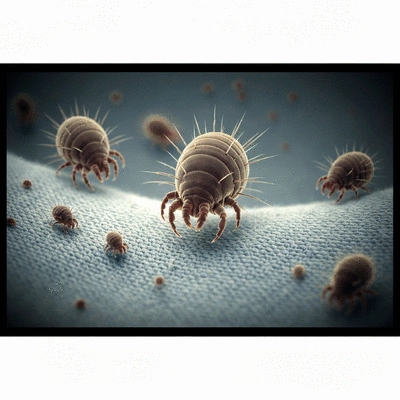
Dust mites are microscopic organisms that feed on organic matter, particularly the flakes of skin shed by humans and pets. Their waste products, which are made up of proteins, are notorious for triggering allergic reactions. In fact, many people may not even realize that they are reacting to these small particles!
- Dust mite waste contains potent allergens.
- They thrive in warm, humid environments.
- Common habitats include bedding, upholstered furniture, and carpets.
Understanding where these allergens come from is crucial in managing your environment. For more in-depth information, the National Institute of Environmental Health Sciences provides comprehensive details on dust mites and their health effects. At I’m Allergic, we emphasize the importance of awareness in tackling allergens effectively.
How Dust Mite Waste Triggers Allergic Reactions
The proteins found in dust mite waste are incredibly irritating when inhaled or come into contact with skin. This irritation can lead to symptoms ranging from sneezing and runny noses to more severe respiratory issues. It’s important to recognize that these reactions vary from person to person, so what might provoke one individual may not affect another. The American Lung Association offers further insights into how indoor air pollutants like dust mites can impact respiratory health.
The Role of Immune Response in Dust Mite Allergies
When our immune system detects dust mite allergens, it goes into overdrive, attempting to protect us. This response can lead to inflammation and a variety of symptoms that we often associate with seasonal allergies. Understanding this connection can empower you to take control of your allergy management.
Recognizing Symptoms of Dust Mite Allergies and Their Impact on Health
Common symptoms of dust mite allergies include:
- Runny or stuffy nose
- Sneezing
- Itchy or watery eyes
- Coughing and wheezing
These symptoms can significantly impact your quality of life. Have you ever found yourself feeling fatigued or unable to concentrate due to allergy flare-ups? It’s a common experience for many, and recognizing the signs is the first step toward managing them effectively. The Asthma and Allergy Foundation of America (AAFA) provides valuable resources on recognizing and managing dust mite allergy symptoms.
Effective Strategies for Dust Mite Allergy Prevention
Now that we’ve explored how dust mites can affect our health, it's time to focus on prevention. Creating a safe and comfortable environment is essential for anyone dealing with allergies. Here are some effective strategies that can help minimize your exposure to dust mites.
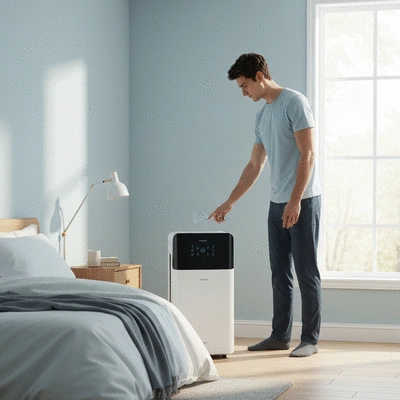
- Control humidity levels in your home.
- Implement allergen-proof covers on bedding.
- Establish a regular cleaning routine.
Each of these strategies plays a vital role in creating a dust mite-free zone in your home. At I’m Allergic, we believe that with the right knowledge, you can take proactive steps to ensure a healthier living space.
Frequently Asked Questions About Dust Mite Allergies
Here are some common questions to help you better understand and manage dust mite allergies:
- What are dust mites? Dust mites are microscopic organisms that thrive in warm, humid environments and feed on organic matter like shed skin flakes. Their waste products contain proteins that are potent allergens.
- Where are dust mites commonly found? Dust mites are commonly found in bedding, upholstered furniture, carpets, and rugs, as these areas provide ideal conditions for their growth and food sources.
- What are the common symptoms of a dust mite allergy? Symptoms often include a runny or stuffy nose, sneezing, itchy or watery eyes, and coughing or wheezing. These symptoms can impact quality of life significantly.
- How can I prevent dust mite allergies? Effective prevention strategies involve controlling humidity levels in your home, using allergen-proof covers on bedding, and maintaining a regular cleaning routine that includes washing bedding in hot water and using HEPA filters.
- Why is controlling humidity important for dust mite prevention? Dust mites thrive in humid environments. Reducing indoor humidity makes your home less hospitable for them, thereby reducing their population and allergen levels.
We Want to Hear From You!
What strategies have you found most effective in managing dust mite allergies? Share your thoughts below:
Summary of Key Dust Mite Allergy Prevention Strategies
As we wrap up our discussion on managing dust mite allergies, it's crucial to remember that a proactive approach can significantly improve your quality of life. At I’m Allergic, we believe that knowledge and action are your best allies in this journey. Here’s a recap of effective techniques that can help you control dust mites in your home.
- Maintain optimal humidity levels to create an inhospitable environment for dust mites.
- Utilize allergen-proof covers for mattresses and pillows.
- Regularly wash bedding in hot water to eliminate any existing dust mites.
- Implement a cleaning routine that includes HEPA filters and microfiber dusting.
- Declutter your living spaces to minimize dust accumulation.
By consistently applying these strategies, you can create a healthier living environment. Remember, it's about making small changes that lead to significant improvements in your respiratory health.
Recap of Effective Techniques for Controlling Dust Mites
Consistency is key when it comes to preventing dust mites. It’s not just one action but a combination of preventive measures that work together. For instance, regularly maintaining your home’s humidity, washing bedding, and using proper cleaning tools can all contribute to lessening your allergy symptoms.
- Control humidity with dehumidifiers.
- Choose suitable air purifiers for your space.
- Stay diligent in cleaning high-risk areas.
Each of these techniques is designed to create an overall allergen-free home where you can breathe easier and enjoy your life without the constant worry of allergies. The key is to develop a routine that keeps these practices at the forefront of your home care.
Empowering Your Journey to an Allergen-Free Home
Taking Action: Next Steps for Allergy Sufferers
Now that you have a solid understanding of dust mite management, it’s time to take action! Start by creating a personal prevention plan tailored to your specific needs and living situation. This checklist can serve as a daily reminder of your commitment to maintaining a safe environment.
- List your known allergens and necessary precautions.
- Schedule weekly cleaning routines.
- Set reminders for washing bedding.
By taking these steps, you’re not just managing your allergies; you're also empowering yourself to live a more fulfilling life. At I’m Allergic, we emphasize the importance of being proactive and informed about your allergies. The more you know, the better equipped you are to handle any challenges that arise.
Understanding the Role of Allergy Awareness in Managing Symptoms
Finally, staying aware of your allergies and their triggers can make a substantial difference in how you manage your symptoms. Engage with community resources, read up on the latest research, and share your experiences with others. This journey doesn’t have to be undertaken alone; we’re here to support you every step of the way!
Recap of Key Points
Here is a quick recap of the important points discussed in the article:
- Dust mites thrive in warm, humid environments and feed on organic matter, making them common allergens in homes.
- Their waste products are potent allergens that can lead to various allergic reactions, including sneezing, runny noses, and respiratory issues.
- Effective prevention strategies include controlling humidity, using allergen-proof covers, and maintaining a regular cleaning routine.
- Regularly washing bedding in hot water and decluttering living spaces can help minimize dust mite exposure.
- Engaging in community resources and staying informed about allergies can empower individuals in managing their symptoms effectively.