Year-Round Allergy Management Tips
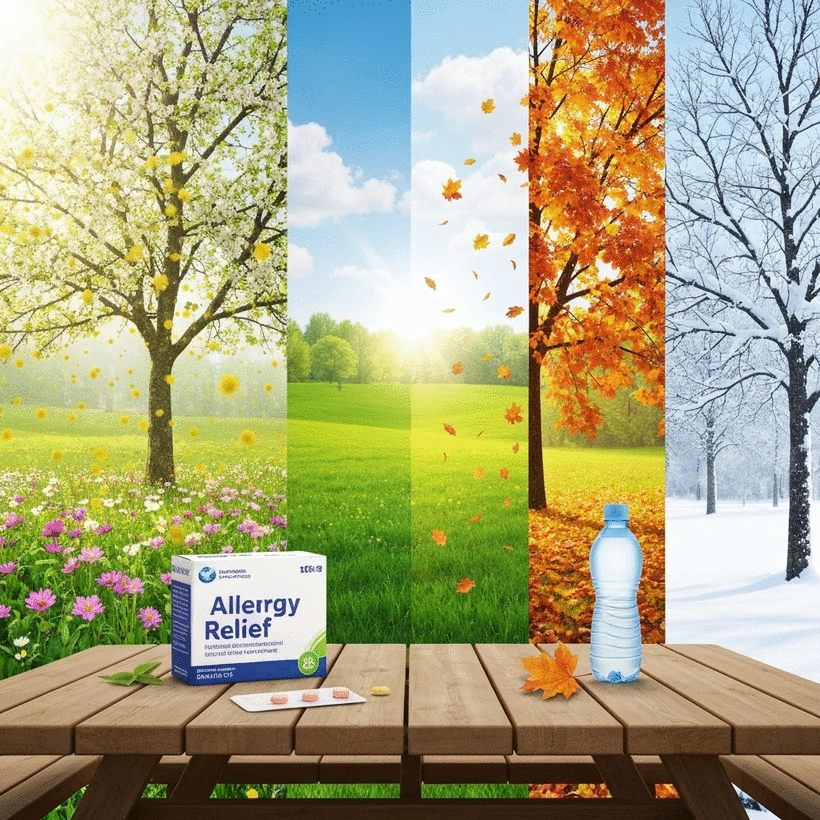
Have you ever felt the unmistakable signs of seasonal allergies creeping in, leaving you wondering how to combat the discomfort? Understanding the triggers and symptoms is the first step towards effective management. Here’s what you need to know!
What You Will Learn
- Recognize common symptoms of seasonal allergies, such as runny nose and itchy eyes.
- Identify specific triggers, including tree, grass, and weed pollen, to manage exposure.
- Understand the impact of weather on pollen levels and allergy severity.
- Explore long-term management strategies, including immunotherapy and personalized allergy plans.
- Utilize local pollen apps for real-time updates to plan outdoor activities effectively.
- Engage with community resources and support groups to share experiences and gain insights.
- Track symptoms to recognize patterns and improve your management strategies.
Common Seasonal Allergy Symptoms and Triggers
Understanding the key symptoms and common triggers for seasonal allergies can help you manage them more effectively. Below is a visual summary of what to look out for.
Common Symptoms
- • Runny or stuffy nose
- • Itchy, watery eyes
- • Sneezing and coughing
- • Fatigue
Seasonal Triggers
- • Tree pollen (Spring)
- • Grass pollen (Late Spring/Early Summer)
- • Weed pollen (Fall - Ragweed)
Impact of Weather
- • Windy days stir up pollen
- • Warmer weather prolongs pollen season
- • Humidity affects pollen levels
Management Strategies
- • Immunotherapy (long-term)
- • Personalized Allergy Plan
- • Allergy Testing (Skin, Blood, Patch)
Understanding Seasonal Allergies: Overview of Symptoms and Triggers
Seasonal allergies, often known as hay fever or allergic rhinitis, can truly disrupt our lives. As someone who has navigated the ups and downs of allergies myself, I know firsthand how frustrating it can be when the seasons change, bringing along unwanted symptoms. Understanding these allergies and their triggers is the first step toward managing them effectively.
Many individuals experience a range of symptoms when allergy season hits. It’s essential to recognize these signs early so you can take action. Let’s delve into what these common symptoms look like!
Identifying Common Symptoms of Seasonal Allergies
When dealing with seasonal allergies, you might notice symptoms that can sometimes feel overwhelming. The most common symptoms include:
- Runny or stuffy nose
- Itchy, watery eyes
- Sneezing and coughing
- Fatigue
Each individual may experience these symptoms differently, and for some, they may worsen with exposure to allergens. It’s important to keep track of your symptoms, especially if they seem to flare up during certain times of the year. This can help you pinpoint your triggers!
Seasonal Allergy Triggers: What You Need to Know
Understanding what triggers your allergies is crucial for effective management. Common triggers include pollen from trees, grasses, and weeds. Here’s a breakdown of what you might encounter:
- Tree pollen: Often prevalent in the spring, this can be particularly bothersome for those with sensitivities.
- Grass pollen: More common in late spring and early summer, grass pollen can lead to discomfort for many.
- Weed pollen: Ragweed is a notorious allergen in the fall, affecting many as summer transitions into autumn.
Being aware of these triggers allows you to avoid them when possible. For example, planning outdoor activities when pollen counts are lower can really help manage your symptoms! For more expert tips, you can refer to the American College of Allergy, Asthma & Immunology's advice on staying ahead of allergies.
The Impact of Weather on Seasonal Allergies
Weather plays a significant role in the severity of seasonal allergies. Changes in temperature, humidity, and wind can all affect pollen levels and your overall experience. For instance, windy days can stir up pollen, making outdoor exposure even more challenging.
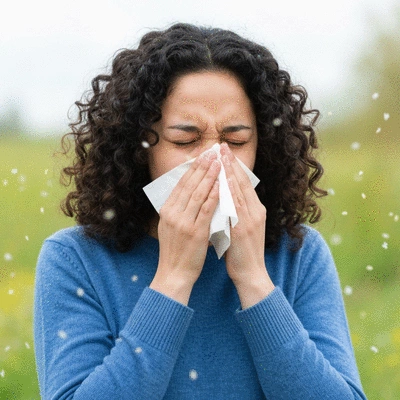
Additionally, warmer weather tends to prolong the pollen season, so staying informed about the weather can be beneficial. Consider checking local forecasts for pollen counts, so you can plan your day accordingly! The Mayo Clinic provides further insights into seasonal allergy triggers and management.
Community Insight
Have you ever wondered how others cope with their seasonal allergies? Engaging with local support groups can provide invaluable insights and encouragement. Connecting with others who share similar experiences not only fosters a sense of community but also opens up new strategies for management. Have you found a particular resource or support group helpful? Share your experiences with us!
Long-Term Strategies for Managing Seasonal Allergies
Managing seasonal allergies effectively often requires a long-term approach. As someone who has navigated allergy challenges myself, I understand the importance of finding solutions that work for you. Let's explore some strategies that can help you take control of your allergies and enhance your quality of life.
Immunotherapy: Is It Right for You?
Immunotherapy, often referred to as allergy shots, is a treatment option aimed at gradually desensitizing your immune system to specific allergens. This method can be a game changer for many people. Here are some points to consider:
- Long-Term Relief: Unlike medications that provide temporary relief, immunotherapy can lead to lasting improvements.
- Personalized Treatment: Your healthcare provider will tailor the treatment based on your specific allergies.
- Commitment Required: It typically involves regular visits over a few years, so be prepared for a long-term commitment.
If you're tired of relying solely on medications, immunotherapy might be worth discussing with your doctor. It's important to weigh the benefits against the commitment required. You can learn more about the effectiveness of immunotherapy and other treatments in this study on seasonal allergic rhinitis.
Developing a Personalized Allergy Management Plan
Creating a personalized allergy management plan can significantly enhance your ability to cope with seasonal allergies. Here's how you can start:
- Identify Triggers: Begin by noting your known allergens. This will help in crafting a tailored strategy.
- Set Goals: Decide what you want to achieve, whether it’s reducing symptoms or minimizing exposure.
- Incorporate Strategies: Include various approaches like lifestyle changes, medication schedules, and home modifications.
Keep your plan visible—maybe on your fridge or as a note on your phone. This way, you can easily refer to it when needed. Remember, a personalized plan empowers you to make informed decisions!
Allergy Testing: Finding Your Specific Triggers
Allergy testing is a crucial step in understanding what you’re up against. By identifying your specific triggers, you can take effective action. Here are some testing options available:
- Skin Tests: Small amounts of allergens are introduced to your skin to observe reactions.
- Blood Tests: This method measures your immune system's response to allergens.
- Patch Tests: Used mainly for contact allergies, these tests help identify specific ingredients that cause reactions.
Consult with your doctor about which testing method is best suited for you. Gaining insight into your triggers can significantly shape your allergy management plan.
Engaging with Resources and Tools for Allergy Awareness
In today’s digital age, staying informed is easier than ever! Engaging with resources and tools can provide ongoing support for managing your allergies. Let's explore some helpful options together.

Utilizing Local Pollen Apps for Real-Time Updates
Staying updated on local pollen levels can help you plan your outdoor activities better. Here are a few features to look for in pollen apps:
- Real-Time Alerts: Get notified when pollen levels are high in your area.
- Pollen Forecasts: Use forecasts to plan your outdoor activities for lower pollen days.
- User-Friendly Interface: Choose an app that is easy to navigate and understand.
By integrating these apps into your routine, you can take proactive steps in managing your seasonal allergies!
Community Resources: Seeking Support and Information
Connecting with local support groups or community resources can provide invaluable assistance. Here are some places to consider:
- Local Allergy Support Groups: Find groups where you can share experiences and tips with others.
- Nonprofit Organizations: Organizations focused on allergy awareness often offer educational materials and support.
- Online Forums: Engage with online communities to exchange information and advice.
Remember, you’re not alone in this journey! Sharing experiences with others can foster a sense of community and understanding.
Symptom Tracking: Monitoring Your Allergy Patterns
Keeping track of your symptoms can be a powerful tool in managing your seasonal allergies effectively. Here’s how to start:
- Daily Logs: Maintain a daily log of your symptoms, noting when they occur and any possible triggers.
- Patterns Recognition: Look for trends in your symptoms that correlate with specific activities or pollen counts.
- Share Findings: Discuss your observations with your healthcare provider to optimize your management plan.
By tracking your symptoms, you can gain valuable insights that will help in tailoring your strategies moving forward.
Frequently Asked Questions About Seasonal Allergies
Q: What are the most common symptoms of seasonal allergies?
A: The most common symptoms include a runny or stuffy nose, itchy and watery eyes, sneezing, coughing, and fatigue. These can vary in intensity for each individual.
Q: What are the main triggers for seasonal allergies?
A: Seasonal allergies are primarily triggered by pollen from trees (in spring), grasses (in late spring/early summer), and weeds, such as ragweed (in fall).
Q: How does weather affect seasonal allergy symptoms?
A: Weather conditions significantly impact pollen levels. Windy days can stir up pollen, warmer weather can prolong pollen seasons, and humidity can also affect pollen distribution, potentially worsening symptoms.
Q: What is immunotherapy, and how can it help with allergies?
A: Immunotherapy, often called allergy shots, is a long-term treatment that gradually desensitizes your immune system to specific allergens. It can provide lasting relief by reducing your body's allergic response over time.
Q: Why is it important to track my allergy symptoms?
A: Tracking your symptoms helps you identify patterns, pinpoint specific triggers, and understand when your allergies are most severe. This information is invaluable for developing a personalized management plan with your healthcare provider.
Final Thoughts on Seasonal Allergy Management
As we wrap up, remember that managing seasonal allergies is a journey. A proactive approach can transform your experiences and enhance your quality of life. Keep exploring, learning, and adapting your strategies!
Encouraging a Proactive Approach to Allergy Care
It’s essential to stay engaged and proactive in your allergy management. Take time to educate yourself about your specific triggers and treatments. This not only empowers you but can also inspire others in the community dealing with similar challenges!
Education and Resources for Allergy Awareness Month
April is Allergy Awareness Month, and it's a great time to focus on education and advocacy. Participate in local events, read up on new research, and share resources with friends and family. Together, we can make a difference in raising awareness about allergies and enhancing the lives of those affected.
Recap of Key Points
Here is a quick recap of the important points discussed in the article:
- Seasonal allergies, or hay fever, are triggered by allergens like pollen from trees, grasses, and weeds.
- Common symptoms include a runny or stuffy nose, itchy eyes, sneezing, and fatigue.
- Weather conditions, such as wind and temperature, can exacerbate allergy symptoms.
- Immunotherapy offers long-term relief by gradually desensitizing the immune system to specific allergens.
- Creating a personalized allergy management plan can significantly improve your ability to cope with allergies.
- Utilizing local pollen apps and engaging with community resources can provide valuable support in managing seasonal allergies.