Recognizing Allergy Symptoms Promptly
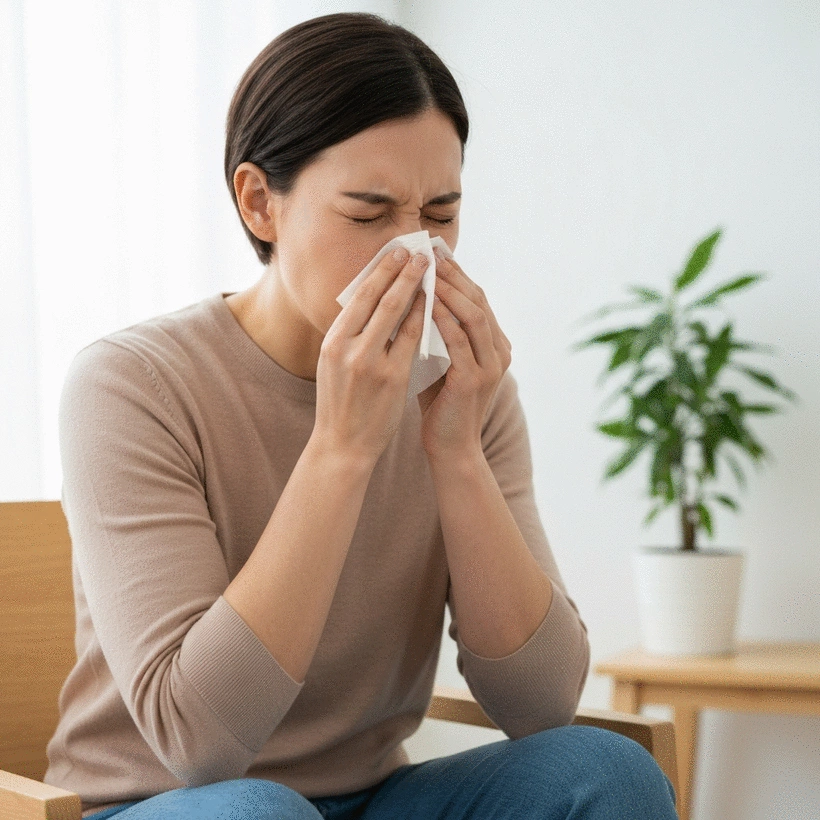
Have you ever felt overwhelmed by sneezing and congestion as the seasons change? Understanding the symptoms of environmental allergies can be your first step toward reclaiming your comfort and health.
What You Will Learn
- Key symptoms of environmental allergies include nasal congestion, sneezing, and runny nose.
- Eye-related symptoms like itchy and watery eyes can indicate allergic reactions, often triggered by allergens such as pollen and pet dander.
- Respiratory symptoms, including wheezing and coughing, can worsen due to environmental factors like pollution and smoke.
- Understanding common triggers, such as air quality and seasonal changes, is crucial for managing symptoms effectively.
- Systemic symptoms, such as fatigue and headaches, may also signal allergic reactions and should not be overlooked.
- Consulting a specialist is vital if you experience severe symptoms or if over-the-counter treatments fail to provide relief.
Environmental Allergy Symptoms & Triggers
This visual summarizes common environmental allergy symptoms, categorizing them by affected body parts and highlighting their primary triggers.
Nasal Allergy Symptoms
- Congestion: Stuffiness
- Sneezing: Frequent fits
- Runny Nose: Constant drip
Triggers: Pollen, Dust Mites
Eye-Related Symptoms
- Itchy Eyes: Frustrating sensation
- Watery Eyes: Excess tearing
- Redness: Inflammation sign
Triggers: Pet Dander, Mold
Respiratory Symptoms
- Wheezing: Whistling sound
- Coughing: Frequent, persistent
Triggers: Pollution, Smoke
Systemic Symptoms
- Fatigue: Unusual tiredness
- Headaches: Frequent, environmental link
Triggers: Overall Allergen Exposure
Understanding Environmental Allergy Symptoms: Key Indicators to Recognize
When it comes to managing allergies, being able to identify symptoms is crucial. Environmental allergies can manifest in various ways, and understanding these key indicators can empower you to take action. For instance, common symptoms include nasal congestion, sneezing, and a runny nose, often triggered by elements like pollen and dust mites. Let’s dive deeper into these symptoms and their triggers!

Common Nasal Allergy Symptoms and Their Triggers
Nasal allergies are among the most prevalent reactions people experience, and knowing what to look for can be a game-changer. Here are some of the typical symptoms you might encounter:
- Congestion: A feeling of stuffiness that makes it hard to breathe through your nose.
- Sneezing: Frequent sneezing fits that can be quite disruptive.
- Runny Nose: A constant drip can be annoying and may lead to further complications.
These symptoms can be triggered by a variety of environmental factors, including pollen, particularly during spring and fall, and dust mites, which thrive in household dust. By recognizing these symptoms early, individuals can take steps to minimize their exposure and seek appropriate treatment.
Eye-Related Symptoms of Environmental Allergies
Another common area of concern is the eyes. Allergic reactions can lead to a range of eye-related symptoms, which may indicate environmental allergies. These include:
- Itchy Eyes: A frustrating sensation that makes you want to rub them.
- Watery Eyes: Excess tearing can be an indicator of your body reacting to allergens.
- Redness: A sign of inflammation due to allergens like pet dander and mold.
Recognizing these symptoms can help you pinpoint your triggers, allowing you to manage your environment more effectively. If you notice these signs, consider reducing your exposure to potential allergens, such as keeping pets out of your bedroom or using air purifiers to limit irritants. For more information on common allergens and triggers, you can refer to resources like the AAFA's Allergy Capitals Report.
Respiratory Symptoms and Their Implications
Respiratory symptoms can be particularly concerning when it comes to environmental allergies. Key symptoms to look out for include:
- Wheezing: A whistling sound when breathing can indicate serious airway constriction.
- Coughing: Frequent coughs, especially at night or after exposure to allergens, can be a red flag.
These symptoms often correlate with environmental conditions, highlighting the impact of pollution and smoke on individuals with allergies. By identifying these respiratory symptoms, you can make more informed decisions regarding your health and environment.
Environmental Triggers: Understanding Their Role in Allergy Symptoms
Understanding the environmental triggers that contribute to allergic reactions is essential. Some key factors include:
- Air Quality: Poor air quality can exacerbate allergy symptoms.
- Seasonal Changes: Different seasons bring varying allergens, from spring pollen to winter dust.
- Indoor Allergens: Things like mold and pet dander can be present year-round.
By being aware of these triggers, you can take proactive steps to reduce your exposure. For instance, monitoring pollen counts and keeping windows closed during high pollen days can help mitigate symptoms.
Systemic Symptoms That Signal Allergic Reactions
Sometimes, the symptoms of allergies aren't as obvious. Systemic symptoms can include:
- Fatigue: Feeling unusually tired can be a response to allergens.
- Headaches: Frequent headaches may be linked to environmental allergies.
If you experience these less obvious symptoms, it’s important to consider them in the context of your overall health. If they persist or worsen, consulting with a healthcare professional is a wise step to ensure you’re on the right track to managing your allergies effectively.
Pro Tip
To effectively manage your allergies, consider keeping a daily journal. Document your symptoms, environmental exposures, and any relief methods you use. This habit can help you identify patterns and triggers, making it easier to avoid allergens and seek appropriate treatment.
Frequently Asked Questions About Environmental Allergy Symptoms
- What are the key symptoms of environmental allergies?
- Key symptoms include nasal congestion, sneezing, runny nose, itchy and watery eyes, wheezing, coughing, fatigue, and headaches.
- What are common triggers for nasal allergy symptoms?
- Common triggers for nasal symptoms are pollen, especially during seasonal changes, and dust mites.
- How do environmental allergies affect the eyes?
- Environmental allergies can cause itchy eyes, watery eyes (excess tearing), and redness due to inflammation. Triggers often include pet dander and mold.
- What should I do if I experience respiratory symptoms like wheezing?
- Respiratory symptoms like wheezing and persistent coughing can be serious and may indicate airway constriction. It's important to consult a healthcare professional, especially if these symptoms are frequent or severe.
- When should I consult a specialist for my allergy symptoms?
- You should consult a specialist if you experience severe symptoms (e.g., difficulty breathing, swelling), chronic symptoms that disrupt daily activities, or if over-the-counter treatments are ineffective. Immunotherapy, for example, is a treatment option that can be discussed with a specialist, as detailed in this FAQ about Allergen Immunotherapy.
In Summary: Empowering Yourself with Knowledge on Environmental Allergy Symptoms
Understanding your environmental allergy symptoms is a vital step toward managing your health. By recognizing symptoms like congestion, itchy eyes, or wheezing, you can take proactive steps to address your allergies effectively. Knowing when to seek help is equally important—don’t hesitate to reach out for assistance when symptoms become overwhelming or disruptive to your daily life.
 Having a solid grasp of these indicators can empower you to make informed decisions about your health. Here are some key points to remember:
- Recognize common symptoms associated with environmental allergies, such as nasal congestion and respiratory issues.
- Be aware of the environmental triggers that may exacerbate these symptoms, including pollen and dust mites.
- Understand the importance of seeking medical help when experiencing severe reactions or chronic health issues.
At I’m Allergic, we believe that knowledge is your best defense. The more informed you are, the better equipped you will be to manage your allergies and maintain a fulfilling life.
Take the Next Step: Consult a Specialist If You Experience Severe Symptoms
If you find yourself struggling with intense allergy symptoms or if over-the-counter treatments aren't providing relief, it's time to consult a specialist. Severe symptoms, such as difficulty breathing or swelling, shouldn’t be ignored. Taking immediate action can make a significant difference in your health outcomes.
Here’s when you should consider reaching out to a healthcare professional:
- Experiencing anaphylaxis, which may include symptoms like throat swelling or rapid heartbeat.
- Chronic symptoms that disrupt your daily activities or lead to infections.
- Ineffective results from allergy medications that you are currently using.
Remember, you're not alone in this journey! At I’m Allergic, we are committed to supporting you in understanding and managing your allergies. Don't hesitate to seek the help you need—your health and well-being are worth it!
Recap of Key Points
Here is a quick recap of the important points discussed in the article:
- Recognize common symptoms associated with environmental allergies, such as nasal congestion, sneezing, and itchy eyes.
- Identify environmental triggers that may exacerbate these symptoms, including pollen, dust mites, and poor air quality.
- Be aware of respiratory symptoms like wheezing and coughing, and understand the implications of systemic symptoms such as fatigue and headaches.
- Take proactive steps to reduce exposure to allergens, such as using air purifiers and monitoring pollen counts.
- Consult a healthcare professional if experiencing severe symptoms or ineffective results from allergy medications.