Low-Pollen Plants for Allergy Relief
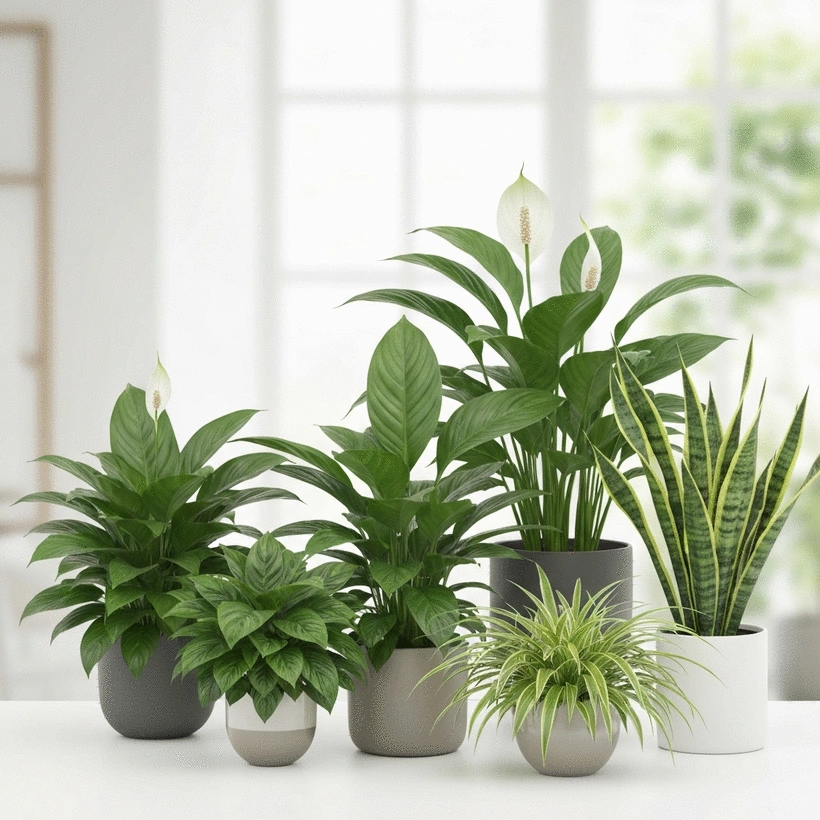
As you strive to create a more comfortable living environment, consider how your plant choices can significantly impact your health. Choosing low-pollen plants is not just about aesthetics—it's a proactive measure to alleviate allergy symptoms.
What You Will Learn
- Low-pollen plants can significantly reduce allergy symptoms like sneezing and itchy eyes.
- Incorporating low-pollen plants improves indoor air quality, creating a healthier living space.
- Key characteristics of allergy-friendly plants include minimal pollen production and air purification benefits.
- Specific indoor and outdoor plants, like snake plants and lavender, are excellent choices for reducing allergens.
- Applying best practices for plant care enhances the longevity and health of your low-pollen plants.
- Strategically designing your garden can help minimize exposure to airborne pollen while enjoying a vibrant outdoor space.
- Selecting local tree varieties known for low pollen can provide shade and beauty without worsening allergy symptoms.
- Choosing low-pollen plants contributes to environmental sustainability and urban biodiversity.
The Benefits of Low-Pollen Plants
Discover how selecting low-pollen plants can significantly improve allergy symptoms and indoor/outdoor environments, offering a healthier, more enjoyable space for everyone.
Understanding Low-Pollen Plants for Allergy Relief
As someone who has navigated the world of allergies for years, I know all too well the struggles that come with pollen. It can feel like a constant battle—sneezing, itchy eyes, and runny noses are just a few of the symptoms that many of us face during peak pollen seasons. This is why I find it crucial to choose low-pollen plants in our homes and gardens. These plants can significantly alleviate symptoms and create a more comfortable living environment for allergy sufferers.
Selecting low-pollen options is a simple yet impactful way to manage allergy symptoms. By doing so, we can enjoy the beauty of nature in our spaces without the fear of exacerbating our allergies. Understanding which plants produce minimal pollen can empower us to make informed choices that promote both health and happiness! For more detailed information on managing allergies, you can refer to the AAFA's 2024 Allergy Capitals Report, which highlights challenging cities for seasonal allergies.
Why Choosing Low-Pollen Plants Matters for Allergy Sufferers
The impact of pollen on allergies is significant. During the spring and summer months, pollen counts soar, triggering symptoms for many. When we opt for plants that produce less pollen, we take a proactive step in minimizing our exposure to these allergens. Choosing low-pollen plants not only helps reduce symptoms but also enhances our overall well-being. For further insights into the challenges posed by seasonal allergies, the AAFA's blog on the most challenging cities for seasonal allergies is a valuable resource.
- Less sneezing and congestion
- Improved indoor air quality
- A more enjoyable gardening experience
By incorporating low-pollen plants into our surroundings, we can create a sanctuary that supports our health. Isn’t it comforting to think that a little greenery can go a long way in improving our quality of life?
Identifying Allergy-Friendly Plants: Key Characteristics
Low-pollen plants tend to have specific traits that make them excellent choices for those of us who are sensitive to allergens. Firstly, they produce minimal pollen, which means fewer airborne particles to irritate our systems. Additionally, many low-pollen plants also offer air purification benefits, helping to filter out other harmful pollutants in our indoor environments.
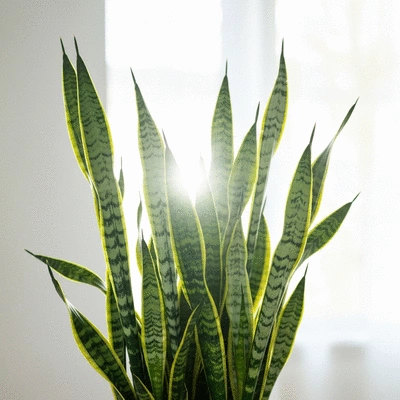
- Minimal pollen production
- Increased humidity levels
- Natural air filters
When selecting plants for your home, keep an eye out for these characteristics. Not only will you be reducing allergens, but you’ll also be enhancing your living space with plants that contribute to a healthy atmosphere.
Air Quality Benefits of Low-Pollen Plants
Incorporating low-pollen plants into our homes can lead to remarkable improvements in indoor air quality. These plants help to absorb toxins and increase humidity, which can be particularly beneficial in dry environments. By reducing allergens and purifying the air we breathe, we’re not just creating a healthier space for ourselves; we’re also fostering a welcoming environment for our families and guests.
Moreover, plants like snake plants and peace lilies not only decorate our spaces but also take on the role of air quality warriors! Through their natural processes, they can significantly enhance the air we breathe, supporting our health in more ways than one. Research published in PMC NCBI further supports the notion that green spaces contribute positively to health outcomes, including respiratory health.
Frequently Asked Questions (FAQs)
- What are low-pollen plants?
- Low-pollen plants are varieties that produce minimal airborne pollen, making them suitable for individuals with allergies. They help reduce allergy symptoms like sneezing, congestion, and itchy eyes.
- How do low-pollen plants improve indoor air quality?
- Many low-pollen plants act as natural air filters, absorbing toxins and increasing humidity, which can be beneficial in dry environments. This helps purify the air and create a healthier living space.
- What are some examples of low-pollen indoor plants?
- Popular low-pollen indoor plants include the Snake Plant, Peace Lily, and Bamboo Palm. These plants are easy to care for and contribute to a healthier indoor environment.
- Can I have an allergy-friendly garden outdoors?
- Yes, you can! Choose low-pollen flowers and shrubs like Snapdragons, Lavender, Petunias, and Boxwood. Strategies such as incorporating hardscaping and grouping plants that bloom at different times can further reduce pollen exposure.
- What types of trees are best for allergy sufferers?
- Consider fruit trees (like apple and cherry), certain native plants, and a mix of deciduous and evergreen trees that are known for low pollen levels. It's also important to choose trees suitable for your local climate and soil conditions.
Top Categories of Low-Pollen Plants
Indoor Plants that Minimize Allergy Triggers
When it comes to indoor spaces, selecting the right plants can make all the difference. Here are some popular indoor plants that are known for their low pollen production:
- Snake Plant
- Peace Lily
- Bamboo Palm
Not only do these plants thrive with minimal pollen, but they also boast impressive air-purifying qualities. Adding these beauties to your home can help create a calming and safe environment. Trust me; your allergies will thank you!
Best Practices for Indoor Plant Care
To keep your indoor plants healthy and thriving, here are a few care tips you can follow:
- Provide adequate light based on the plant’s needs
- Follow a consistent watering schedule
- Regularly check for pests and diseases
By adhering to these best practices, you can enjoy the beauty and benefits of your allergy-friendly plants for years to come. Remember, the effort you put into plant care will reward you with a thriving sanctuary!
Outdoor Low-Pollen Flowers and Shrubs
If you're looking to enhance your outdoor space, consider planting these low-pollen flowers and shrubs:
- Snapdragons
- Lavender
- Petunias
- Boxwood Shrubs
These options not only add color and vibrancy to your garden but also help minimize allergy triggers. Creating an outdoor oasis that is both beautiful and safe can be a fulfilling endeavor!
Planting Strategies for Allergy-Friendly Gardens
When designing an allergy-friendly garden, consider these strategies:
- Incorporate hardscaping elements to reduce plant density
- Utilize insect-pollinated plants that produce minimal airborne pollen
- Group plants that bloom at different times to reduce pollen exposure
By thoughtfully planning your garden, you can create a stunning landscape that protects your health while allowing you to enjoy the great outdoors!
Considerations for Allergy-Friendly Trees
Some trees can be great allies in our battle against allergies. When selecting trees, consider varieties that are known for their low pollen levels:
- Fruit trees, such as apple and cherry
- Certain native plants
- Mix of deciduous and evergreen trees
These trees can provide shade and beauty without significantly impacting your allergy symptoms. Remember, choosing the right variety can make all the difference in your outdoor experience!
Choosing the Right Tree for Your Region
When selecting trees, it’s essential to consider your local climate and soil types. Think about factors such as:
- Temperature ranges
- Moisture levels in the soil
- Sunlight availability
Understanding these elements can help you choose the best trees for your backyard oasis. Researching local recommendations can also provide invaluable insights into what will thrive in your area.
We Want to Hear From You!
Have you ever experienced relief from your allergies after incorporating low-pollen plants into your home or garden? Share your thoughts below:
Wrapping Up: Transforming Your Space with Allergy-Friendly Plants
As we conclude our journey into the world of low-pollen plants, I want to emphasize how these choices can truly transform your living spaces. By opting for plants that produce minimal pollen, you take a significant step towards creating a healthier environment for yourself and your loved ones. It's time to embrace your gardening journey! Not only can these plants beautify your home, but they also reduce allergy symptoms and improve air quality.
Taking Action with Your Plant Choices
Now that you have the knowledge, let’s put it into action! Here are some practical steps to help you get started with your low-pollen plant selections:
- Research and select a few low-pollen plants that appeal to you.
- Visit local nurseries or gardening stores to find these plants.
- Consider starting small with a couple of indoor plants to see how they thrive in your space.
- Engage with fellow garden enthusiasts through online forums or local clubs for tips and support.
Remember, starting your gardening journey doesn't have to be overwhelming. With a little planning, you can create a sanctuary that not only looks great but is also safe for allergy sufferers. Feel free to share your progress with the I’m Allergic community! I’d love to see how your green thumb grows!
Further Resources for Allergy Sufferers
To help you on your path to a healthier living space, I’ve compiled some excellent resources:
- Allergy Awareness Articles - A comprehensive collection of articles on managing allergies.
- Seasonal Planting Calendars - Get information about the best planting times for your region.
- Local Gardening Groups - Check community boards or social media for allergy-friendly gardening groups near you!
These resources can provide valuable insights and connections, helping you continuously learn and adapt as you explore the world of allergy-friendly gardening.
Environmental Impact of Choosing Low-Pollen Plants
Choosing low-pollen plants isn't just good for your health; it's also beneficial for the environment! By selecting these plants, you contribute to sustainability efforts in your community. Here’s how:

- Reducing airborne allergens helps improve overall community health.
- These plants often have lower water and maintenance needs, promoting better resource management.
- Creating green spaces enhances urban biodiversity, making cities more livable.
- Low-pollen plants also support local wildlife by providing habitats without contributing to pollen-related issues.
By transforming your space with allergy-friendly plants, you're not only cultivating a sanctuary for yourself but also playing a part in a larger movement towards greener, healthier urban environments. Together, let’s make our world a safer place for those with allergies!
Recap of Key Points
Here is a quick recap of the important points discussed in the article:
- Choosing low-pollen plants can significantly alleviate allergy symptoms and improve indoor air quality.
- Key characteristics of allergy-friendly plants include minimal pollen production and air purification benefits.
- Popular low-pollen indoor plants include Snake Plant, Peace Lily, and Bamboo Palm.
- Outdoor options such as Snapdragons, Lavender, and Petunias help minimize allergy triggers while enhancing garden aesthetics.
- Implementing hardscaping and plant grouping strategies can create allergy-friendly outdoor spaces.
- Selecting the right trees, such as certain fruit trees and native plants, can enhance outdoor spaces without increasing pollen exposure.