Travel Allergy Emergency Kit Essentials
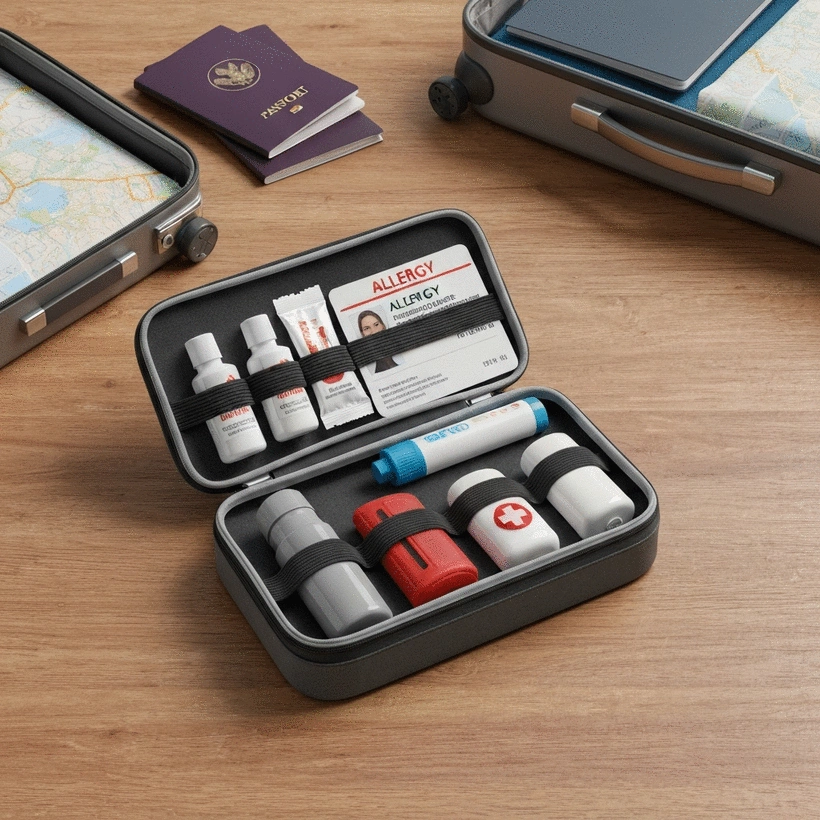
Traveling with allergies can be daunting, but being prepared can turn potential stress into confidence. A well-stocked allergy emergency kit is essential for safe adventures, ensuring you're ready for any unforeseen situations.
What You Will Learn
- The critical role of an allergy emergency kit for safe travel.
- Essential medications and supplies to include in your kit.
- How to create an allergy action plan for emergencies.
- The importance of having relevant documents and medical information while traveling.
- Long-term benefits of being prepared for allergy emergencies.
- Strategies to raise allergy awareness and ensure safe travel for yourself and others.
Your Essential Allergy Emergency Kit for Travel
Building a comprehensive kit for allergy management on the go is crucial for safe and confident travel. It's about being prepared for any situation.
Key Medications: Your First Line of Defense
- ✓ Epinephrine Auto-injectors (always two!)
- ✓ Antihistamines (OTC & prescription)
- ✓ Any other prescribed medications & their expiry dates
Essential Documents: Information at Your Fingertips
- ✓ Doctor's Note (for medications, especially cross-border)
- ✓ Medical Alert Bracelet (critical for emergencies)
- ✓ Emergency Contacts & Insurance Cards
Allergy Action Plan: Steps for Swift Response
- ✓ Detailed signs of allergic reactions
- ✓ Step-by-step response guide (e.g., when to use EpiPen)
- ✓ List of emergency contacts & healthcare providers
Pre-Travel Checklist: Final Safeguards
- ✓ Verify all expiry dates and restock
- ✓ Waterproof pouch for documents
- ✓ Food-safe supplies to prevent cross-contact
Understanding the Importance of an Allergy Emergency Kit for Travel
Traveling can be exhilarating, but it also presents unique challenges for those of us living with allergies. An allergy emergency kit is not just a suggestion; it’s a crucial component for anyone who wants to travel safely and confidently. When you’re away from home, having the right supplies at your fingertips can mean the difference between a fun adventure and a potentially dangerous situation.
When I travel, I always remind myself of the importance of being prepared. It’s about ensuring that I can enjoy my trip without the constant worry of an allergic reaction. Having a dedicated kit not only helps keep my allergens in check but also provides peace of mind.
Why Every Traveler with Allergies Needs a Specialized Kit
Allergies can be unpredictable, and their effects can vary depending on several factors, especially when traveling. A specialized allergy kit can help you manage unexpected situations effectively. Think of it as your personal safety net, tailored to your unique needs.
- Quick Access to Essential Medications: In case of an allergic reaction, having your medications readily available is vital.
- Preparedness for Emergencies: Accidents happen, and being equipped can help you respond swiftly.
- Confidence While Traveling: Knowing you have your kit with you allows you to focus on enjoying your journey instead of worrying about potential triggers.
Every time I pack my kit, I feel reassured that I’m ready for whatever might come my way. It empowers me to explore new places without anxiety! This mindset is something I encourage everyone in our I’m Allergic community to adopt.
The Risks of Allergic Reactions While Traveling
Traveling exposes us to new environments, foods, and activities, increasing the likelihood of encountering allergens. The unfamiliarity of new locations can lead to unexpected triggers, making it essential to stay vigilant. For instance, local cuisines may include ingredients that you aren't accustomed to, and cross-contamination is often a risk at restaurants or markets.

Moreover, the stress of travel can exacerbate allergy symptoms, causing reactions to occur even when you think you’re being cautious. I’ve learned that being informed and prepared is key to minimizing these risks. Keeping an updated list of my known allergens handy is part of my strategy! For more information on managing allergies during travel, consult the CDC's guidelines for severely allergic travelers.
Essential Components of Your Allergy Emergency Kit
Now that we understand why an allergy emergency kit is so important, let’s delve into what you should include in yours. Having the right components can make all the difference in managing your allergies effectively while on the go.
When I prepare my kit, I think about both immediate needs and longer-term management. It’s about being proactive rather than reactive—let's explore what every kit should have!
Key Medications: What to Include in Your Travel Allergy Kit
Your allergy emergency kit should be stocked with essential medications tailored to your specific needs. This ensures that you can tackle any allergic reactions swiftly and efficiently. Here’s a rundown of the key medications I consider must-haves for travel:
- Epinephrine Auto-Injectors: These are critical for treating severe allergic reactions (anaphylaxis). Always carry two, just in case!
- Antihistamines: Over-the-counter options like diphenhydramine can help manage milder reactions.
- Prescription Medications: Include any necessary medications as prescribed by your doctor. Don’t forget to check their expiration dates before you travel!
By keeping my kit stocked with these essential medications, I feel more in control of my allergy management. It’s about knowing that I’m prepared for anything that may come my way.
The Role of Epinephrine Auto-Injectors in Anaphylaxis
Epinephrine auto-injectors, like EpiPens, are lifesavers for anyone at risk of anaphylaxis. They work quickly to reduce the body's allergic response, providing a critical window for getting further medical help. Always ensure that you know how to use your auto-injector and double-check that it’s within the expiration date! The Food Allergy Research & Education (FARE) offers comprehensive resources on emergency preparedness for food allergies, including the use of epinephrine.
Antihistamines and Other Prescription Medications
Antihistamines play a key role in managing milder allergic reactions. They can help alleviate symptoms such as itching, hives, and nasal congestion. It's essential to have your go-to antihistamine in your kit. Additionally, if you have any specific prescription medications, be sure to pack them as well. Keeping everything organized in your kit can save precious time during an emergency!
Documents and Medical Information for Travel Safety
In addition to medications, having the right documents is crucial for your travel safety. These documents can provide essential information to medical personnel if needed. Here’s what I recommend including:
- Doctor's Note: A note from your doctor can clarify your allergies and the need for certain medications, especially when crossing borders.
- Medical Alert Bracelet: Wearing a bracelet that identifies your allergies can be invaluable in case of an emergency.
- Emergency Contacts: Keep a list of emergency contacts, including your doctor’s phone number.
Having these documents ensures that you are prepared should an emergency arise while you are away from home. I always feel more secure knowing I have this information readily available!
Importance of a Doctor's Note and Medical Alert Bracelet
A doctor’s note is not only beneficial but can sometimes be required when traveling with medications. It can help avoid misunderstandings with authorities or airlines. Additionally, a medical alert bracelet serves as a quick reference for first responders, making it a critical piece of your travel kit.
Emergency Contacts and Insurance Cards
Always pack your insurance cards and a list of emergency contacts, including family and your healthcare provider. In case of an allergy-related incident, having this information accessible can speed up care and provide peace of mind throughout your journey.
Creating an Allergy Action Plan for Travel
As part of your preparation, drafting an allergy action plan is a smart move. This plan outlines what steps to take in the event of an allergic reaction, ensuring that you and your travel companions know how to respond appropriately. Consider including the following:
- Signs of an Allergic Reaction: Detail what symptoms to watch for.
- Steps to Take: Outline what to do in case of various reactions, including when to use your epinephrine injector.
- Who to Call: List emergency contacts and healthcare providers.
Having this action plan not only prepares you but also empowers those traveling with you to help in case of an emergency. I find comfort in knowing that everyone is on the same page! You can find a useful travel plan for anaphylaxis from ASCIA to guide your preparation.
Pro Tip
When traveling, always carry a copy of your allergy action plan in your allergy emergency kit. This ensures that not only you but also your travel companions are aware of how to respond in case of an allergic reaction. Make it a point to review this plan with them before your trip to foster confidence and preparedness!
Frequently Asked Questions About Allergy Emergency Kits for Travel
- Q: Why is an allergy emergency kit essential for travel?
- A: An allergy emergency kit is crucial for safe travel because it provides immediate access to essential medications and information, allowing you to manage unexpected allergic reactions effectively and confidently, especially when away from familiar environments.
- Q: What are the key medications I should include in my travel allergy kit?
- A: Your kit should always include at least two epinephrine auto-injectors, over-the-counter and prescription antihistamines, and any other specific prescription medications for your allergies. Always check their expiration dates before travel.
- Q: What documents are important to carry in my allergy emergency kit?
- A: Essential documents include a doctor's note (especially for medications when crossing borders), a medical alert bracelet, a list of emergency contacts, and your insurance cards. These provide vital information in an emergency.
- Q: What is an allergy action plan and why do I need one for travel?
- A: An allergy action plan outlines the steps to take during an allergic reaction, including symptoms to watch for, when to use an auto-injector, and emergency contacts. It's essential for travel as it guides you and your companions on how to respond swiftly and appropriately in unfamiliar settings.
- Q: How can I ensure my allergy kit is ready before my trip?
- A: Before traveling, verify all medication expiry dates and restock as needed. Ensure all documents are current and stored in a waterproof pouch. Additionally, pack any food-safe supplies to prevent cross-contact and review your allergy action plan with travel companions.
Summarizing Your Travel Allergy Emergency Kit Essentials
As we wrap up our discussion on preparing for allergy emergencies during travel, let's emphasize the importance of being prepared. Having a well-organized allergy emergency kit can make a significant difference when you’re on the go. This kit not only provides peace of mind but also ensures that you are ready to act quickly if needed.
When reviewing your kit, consider the essential components you've gathered. A well-rounded kit should include key medications, important documents, and an action plan. Don’t forget to check expiry dates and restock items as necessary—this ensures that everything is effective and ready for use when you need it most!
Final Checklist: Reviewing Your Kit Before Travel
- ✔️ Epinephrine auto-injectors: Ensure they are up-to-date.
- ✔️ Antihistamines: Pack both non-drowsy and regular types.
- ✔️ A doctor’s note explaining your allergies and the need for medications.
- ✔️ Emergency contacts and insurance cards stored in a waterproof pouch.
- ✔️ A printed allergy action plan outlining steps to take in case of an emergency.
- ✔️ Any necessary food-safe supplies to avoid cross-contact.
It's vital to go through this checklist a day or two before your departure. This way, you can rest assured that you've covered all bases for a safe trip.
Long-term Benefits of Being Prepared for Allergy Emergencies
Being prepared for allergy emergencies extends beyond just having a kit; it fosters a sense of confidence when traveling. When you know that you have the right tools and information at your fingertips, you can enjoy your adventures without constant worry. This preparedness can lead to empowered decision-making, allowing you to navigate dining options and social situations with ease.

Moreover, the long-term benefits of maintaining an emergency kit include not only safety but also a greater level of independence. You’ll be less reliant on others and more capable of advocating for yourself in unfamiliar places. By preparing in advance, you pave the way for a smoother and more enjoyable travel experience.
Encouraging Safe Travels: Building Your Allergy Awareness
Now that we’ve covered the essentials of your travel allergy kit, let’s shift our focus to how we can raise awareness and encourage safe travels for ourselves and others. It’s not just about managing your allergies but also about sharing your knowledge and experiences with friends and family.
From my own journey, I’ve learned that sharing my allergy preparedness strategy has not only helped me but also informed those around me. Engaging in these conversations can lead to better understanding and support, making everyone feel more comfortable and informed.
Sharing Your Allergy Preparedness Strategy with Others
- 👥 Educate friends and family about your specific allergies.
- 📋 Share your allergy action plan with travel companions.
- 💬 Discuss how they can help in case of an emergency.
- 🛍️ Encourage them to be mindful of your food preferences when planning meals.
Every conversation can help foster a more supportive environment! By sharing your experiences, you create a ripple effect of allergy awareness that extends beyond just your immediate circle.
Resources for Ongoing Allergy Management While Traveling
Stay connected to reliable resources for managing allergies while on the road. Websites like I’m Allergic offer valuable insights and tips tailored to various travel situations. Whether it’s advice on food labeling or finding allergy-friendly accommodations, these resources can be indispensable.
Additionally, consider joining online communities or forums where you can share experiences and gather tips from others who navigate similar challenges. Having a support network makes a world of difference during travels!
The Role of Allergy Awareness in Ensuring Safe Travels
Ultimately, allergy awareness plays a crucial role in ensuring that everyone can travel safely. The more we educate ourselves and those around us, the more equipped we become to navigate potential risks. This proactive approach not only enhances our well-being but also contributes to a safer travel experience for everyone.
As you embark on your travels, remember that being prepared, sharing knowledge, and staying connected to resources can empower you to enjoy your adventures confidently. Safe travels!
Recap of Key Points
Here is a quick recap of the important points discussed in the article:
- Essential Medications: Always include epinephrine auto-injectors, antihistamines, and any prescription medications in your allergy emergency kit.
- Documentation: Carry a doctor's note, medical alert bracelet, and emergency contacts to ensure quick access to vital information.
- Allergy Action Plan: Draft a clear plan outlining steps to take during an allergic reaction, including signs to watch for and emergency contacts.
- Kit Review: Regularly check and restock your allergy kit before traveling to ensure all items are up-to-date and effective.
- Share Awareness: Educate your travel companions about your allergies and your action plan to foster a supportive environment.