Mild vs. Severe Food Allergies

Have you ever found yourself overwhelmed by the prospect of managing food allergies? Understanding the nuances of these reactions can transform your approach to health and safety. Let’s uncover essential insights that can empower you to navigate this complex landscape with confidence.
What You Will Learn
- Food allergies can invoke a wide range of reactions, from mild discomfort to severe anaphylactic shock.
- Early recognition of symptoms, such as itchy mouths or hives, can significantly improve management and safety.
- Understanding the difference between mild and severe symptoms helps in formulating an effective emergency action plan.
- Mild allergies can evolve into severe ones, emphasizing the importance of regular assessments and staying informed.
- Cross-reactivity is a critical concept, where similar proteins in different foods can trigger allergic reactions.
- Community resources and support can provide vital assistance in coping with and managing allergies effectively.
Spectrum of Food Allergy Reactions: Mild vs. Severe
Understanding the difference between mild and severe allergic reactions is crucial for effective management and response. This visual highlights key distinctions in symptoms, common triggers, and necessary actions.
Mild Allergic Reactions
Common Symptoms:
- Itchy or swollen mouth
- Hives, rashes, redness
- Mild nausea, vomiting, diarrhea
Typical Triggers:
Peanut, Cow's Milk (in some cases)
Action Required:
Monitor symptoms, antihistamines if needed.
Severe Allergic Reactions (Anaphylaxis)
Critical Symptoms:
- Difficulty breathing
- Throat swelling
- Rapid blood pressure drop
- Dizziness, loss of consciousness
Typical Triggers:
Peanuts, tree nuts, shellfish, eggs (common culprits)
Action Required:
Immediate medical intervention, Epinephrine auto-injector.
Understanding Food Allergies: An Overview of Mild and Severe Reactions
Food allergies can be a daunting challenge for many, and understanding them is crucial for managing your health effectively. In my journey with allergies, I've learned that these reactions can vary significantly from mild to severe, impacting not only the body but also the quality of life. Let's delve into the basics of food allergies and how they affect our well-being.
Essentially, a food allergy occurs when your immune system mistakenly identifies a harmless food protein as a threat. This can trigger a range of symptoms that can vary in severity. Knowing what food allergies are and their potential impacts can help you navigate your daily life with confidence. For more detailed information, the FDA provides comprehensive guidance on food allergies.
What Are Food Allergies and Their Impact on Health?
Food allergies can lead to a variety of health issues, ranging from uncomfortable symptoms to life-threatening reactions. For individuals living with allergies, being aware of the foods that trigger these reactions is vital for maintaining not just physical health, but also mental well-being. At I’m Allergic, we emphasize the importance of education in managing allergies effectively. The American College of Allergy, Asthma & Immunology (ACAAI) offers valuable insights into various allergic conditions, including food allergies.
- Immune Reaction: The body reacts to certain proteins in food as if they were harmful.
- Potential Impact: Symptoms can range from mild (like hives) to severe (such as anaphylaxis).
- Quality of Life: Understanding your allergies can empower you to lead a fulfilling life.
Living with food allergies doesn't have to be overwhelming. By gaining knowledge, you can make informed choices that positively influence your health and lifestyle.
The Importance of Recognizing Symptoms Early
Recognizing the symptoms of food allergies early can make a significant difference in how you manage them. Some people experience mild reactions, while others may face severe consequences. Being aware of what to look for can help you respond appropriately and promptly.
- Itchy or Swollen Mouth: A common early sign that shouldn't be ignored.
- Skin Reactions: Hives, rashes, or redness may appear shortly after consuming the allergen.
- Gastrointestinal Symptoms: Nausea, vomiting, or diarrhea can also indicate a reaction.
When I first discovered my allergies, recognizing these signs was crucial. It can be easy to dismiss early symptoms, but paying attention can save you from more severe reactions later on!
Distinguishing Between Mild and Severe Food Allergies
Understanding the differences between mild and severe food allergies is essential for effective management. As someone who has navigated this journey, I've come to realize the importance of knowing the signs and preparing for all possibilities.
Common Symptoms of Mild Allergic Reactions
Mild allergic reactions can occur shortly after consuming the offending food, and while they may not be life-threatening, they can still be uncomfortable and disruptive. It's important to recognize these symptoms and know how to manage them effectively.
Localized Effects: Hives, Itching, and Discomfort
Localized symptoms often manifest in the skin, such as hives or itching. These reactions typically don't escalate to more serious issues, but they can still be quite bothersome. Making a note of these symptoms can help identify your triggers.
Examples of Mild Food Allergies: Peanut and Cow’s Milk
Peanut and cow's milk allergies are two of the most common mild allergies. Individuals who react to these foods often experience itching or hives. While these symptoms might not seem severe, they're a clear indicator that your body is reacting to something it's sensitive to.
Recognizing Severe Allergic Reactions: Anaphylaxis

On the other hand, severe allergic reactions can lead to anaphylaxis, which is a medical emergency. This condition can escalate rapidly and requires immediate intervention. Understanding the critical symptoms is vital for anyone at risk. The ACAAI also provides extensive information on anaphylaxis and its management.
Critical Symptoms: Breathing Issues and Swelling
In anaphylaxis, symptoms may include difficulty breathing, swelling of the throat, and a rapid drop in blood pressure. Recognizing these signs early can be lifesaving. If you or someone you know experiences these symptoms, it's crucial to act fast!
Understanding Anaphylaxis Triggers and Risk Factors
Many foods can trigger anaphylaxis, and these triggers can vary from person to person. Common culprits include peanuts, tree nuts, shellfish, and eggs. Being aware of your specific triggers is essential for prevention and management.
Emergency Action Plan: Responding to Anaphylactic Shock
Having an emergency action plan in place is key. This includes knowing how to use an epinephrine auto-injector and understanding when to seek medical help. I encourage you to create a plan that includes your triggers, emergency contacts, and what steps to take if a reaction occurs.
The Unpredictability of Food Allergy Reactions
The unpredictability of food allergy reactions adds another layer of complexity for those affected. Reactions can vary widely, making it challenging to anticipate how your body will respond at any given time.
Factors Influencing Reaction Severity
Several factors can influence the severity of an allergic reaction, including the amount of allergen consumed, the individual's overall health, and even stress levels. Being aware of these can empower you to take proactive measures.
Can Mild Allergies Evolve into Severe Reactions?
It's essential to understand that mild allergies can evolve into severe reactions over time. This evolution highlights the importance of regular check-ups and staying informed about your allergies. Research, such as that published in PMC NCBI, further explores the complexities of food allergy progression.
Understanding Cross-Reactivity in Food Allergies
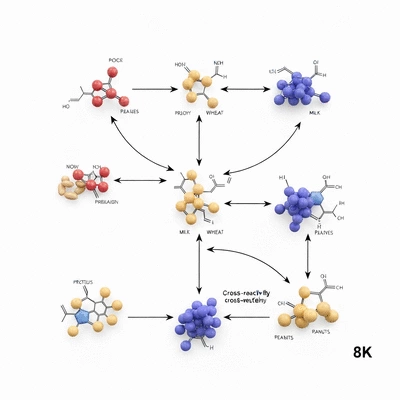
Cross-reactivity occurs when proteins in one food are similar to those in another, potentially triggering an allergic response. Understanding this phenomenon can help you identify additional food sensitivities.
We Want to Hear From You!
What has been your biggest challenge in managing food allergies? Share your thoughts below:
Summarizing Key Insights on Food Allergies
As we wrap up our discussion on food allergies, it’s essential to highlight the spectrum of severity that can exist. Understanding this spectrum is crucial for anyone managing allergies—whether mild or severe. Recognizing that reactions can vary greatly can empower you to take the right steps toward safety and management.
Food allergies can significantly impact one’s health and quality of life. With my own journey through allergy management, I’ve learned that awareness and education are key. By knowing the difference between mild and severe allergic reactions, you can better prepare yourself and those around you to respond appropriately when faced with potential allergen exposure.
Understanding the Severity Spectrum: Why It Matters
The severity of food allergies can range from mild reactions to life-threatening anaphylaxis. This understanding is vital as it influences how we approach treatment and prevention. Here are some key points to consider:
- Mild Reactions: Symptoms like hives or mild itching can often be managed with over-the-counter antihistamines.
- Severe Reactions: Anaphylaxis requires immediate medical intervention, often necessitating epinephrine.
- Personalized Management: Identifying your unique triggers can aid in developing a robust management plan.
Each person’s journey with allergies is different. Understanding where you fall on the severity spectrum can help you communicate your needs clearly, whether to friends, family, or medical professionals.
Final Thoughts on Assessing and Managing Food Allergies
Managing food allergies isn't just about avoiding certain foods; it’s also about being proactive in your approach. Regular assessments and updates to your allergy management plan can make a world of difference. It's important to stay informed about your allergies and any new developments in treatment options.
Engaging with your healthcare provider to reassess your situation periodically can provide insights into changes in your allergies and ensure your management strategies are effective. Remember, knowledge is power, and it can lead to a safer and more fulfilling life.
Engagement and Resources: Your Next Steps
Frequently Asked Questions About Food Allergies
As you navigate the complexities of food allergies, it's natural to have questions. Here are some common queries I often encounter:
- What should I do if I experience a mild allergic reaction? Monitor symptoms and take antihistamines if needed.
- How do I know if I’m at risk for anaphylaxis? Discuss your allergy history with a healthcare professional for personalized evaluation.
- Can food allergies disappear over time? In some cases, mild allergies can diminish, but it’s essential to have regular assessments.
- What are the most common food allergy triggers? Common culprits include peanuts, tree nuts, shellfish, eggs, milk, soy, wheat, and fish.
- Is there a cure for food allergies? Currently, there is no cure for food allergies, but management strategies and emerging treatments can help.
Don’t hesitate to reach out for more information—being informed is your best tool in this journey!
Where to Find Support and Further Information on Food Allergies
Finding the right resources and support can be pivotal in managing food allergies effectively. Here are some trusted sources:
- I’m Allergic: Our website provides comprehensive information and community support.
- Food Allergy Research & Education (FARE): This organization offers resources for education and advocacy.
- Local allergy support groups: Connecting with others in similar situations can provide encouragement and practical tips.
Remember, you are not alone! Community support can provide invaluable resources and connections.
Allergy Education and Awareness Resources
Staying educated about food allergies is crucial for both you and your loved ones. Here are some key resources to enhance your understanding:
- Online Courses: Many organizations offer courses on food allergy management and awareness.
- Books and Guides: Look for literature written by experts in the field for deep dives into allergy management.
- Webinars and Workshops: Participate in events to gain insights from allergists and dietitians.
By engaging with these resources, you’re taking proactive steps towards ensuring a safer lifestyle while living with food allergies. Let’s continue to support each other in this journey!
Recap of Key Points
Here is a quick recap of the important points discussed in the article:
- Understanding Food Allergies: Food allergies occur when the immune system reacts to harmless food proteins, leading to varying symptoms from mild to severe.
- Recognizing Symptoms: Early recognition of symptoms such as hives, gastrointestinal issues, or difficulty breathing is crucial for effective management.
- Mild vs. Severe Reactions: Mild reactions can be managed with antihistamines, while severe reactions like anaphylaxis require immediate medical attention.
- Emergency Action Plans: Creating a personalized emergency action plan can help individuals respond properly in case of severe allergic reactions.
- Staying Informed: Regular assessments and staying updated on allergy management strategies empower individuals to lead safer, more fulfilling lives.