Managing Children's Environmental Allergies
Understanding environmental allergies can be a daunting journey for parents. However, with the right knowledge and strategies, you can empower your child to navigate their allergies confidently. Here’s how to take control and create a safer environment.
What You Will Learn
- Environmental allergies in children can stem from common allergens like pollen, dust mites, and mold.
- Recognizing symptoms early can help parents manage their child's allergies more effectively.
- Creating a comprehensive family allergy management plan can empower your child and improve their quality of life.
- Consulting an allergist is crucial when allergies interfere with daily life or lead to severe reactions.
Understanding Environmental Allergies in Children
Identifying common allergens, their impact, and effective management strategies for parents.
Understanding Environmental Allergies in Children
As a parent, understanding environmental allergies in children is crucial for their health and well-being. Environmental allergies arise when the immune system reacts to substances in the environment that are typically harmless. These can include pollen, dust mites, mold, and pet dander. Recognizing these factors can empower you to create a safer environment for your child.
Environmental allergies can develop at any age, but children are often more susceptible. Their immune systems are still maturing, and they may not have had previous exposure to these allergens. As someone who has navigated the world of allergies, I understand how overwhelming it can be to identify triggers and manage symptoms for children. For valuable resources on preventing allergies and asthma in children, you can refer to the American Academy of Allergy, Asthma & Immunology.
What Are Environmental Allergies and Their Causes?
Environmental allergies occur when the immune system mistakenly identifies a harmless substance as a threat. Common causes include:
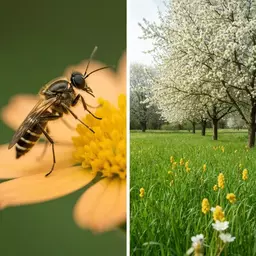
- Pollen: Seasonal allergens from trees, grasses, and weeds.
- Dust mites: Microscopic organisms found in household dust.
- Mold: Fungi that thrive in damp environments.
- Pet dander: Tiny flakes of skin shed by furry pets.
When children are exposed to these allergens, their bodies may respond by producing histamines, leading to symptoms like sneezing, itching, and nasal congestion. It’s important to monitor your child for these signs, especially during high pollen seasons. To learn more about common asthma triggers, including environmental allergens, visit the Centers for Disease Control and Prevention (CDC).
The Impact of Environmental Allergies on Children's Health
Environmental allergies can significantly impact a child's quality of life. Not only can they cause physical discomfort, but they can also affect emotional well-being and academic performance. Kids with allergies might experience:
- Frequent absences from school due to illness.
- Difficulty concentrating in class.
- Disrupted sleep patterns, leading to fatigue.
Understanding these impacts can encourage proactive management. As parents, we can help our children feel empowered by providing education and resources to navigate their allergies effectively.
Common Allergens Affecting Children: Dust Mites, Pollen, and Mold
Among the various environmental allergens, dust mites, pollen, and mold are particularly common. Each poses unique challenges:
- Dust Mites: These microscopic creatures thrive in bedding, carpets, and upholstered furniture. Regular cleaning can help reduce their presence.
- Pollen: This allergen varies with the seasons. Trees pollinate in spring, grasses in summer, and weeds in fall, so keeping track of pollen counts can help.
- Mold: Found in damp areas like bathrooms and basements, it's essential to control humidity levels to prevent mold growth.
By identifying these common allergens and their sources, you can take actionable steps to minimize your child's exposure. Remember, knowledge is power, and I'm here to help guide you through this journey! For more information on childhood asthma triggers and how to manage them, consult the National Heart, Lung, and Blood Institute (NHLBI).
Pro Tip
To effectively manage your child's environmental allergies, consider keeping a daily diary. Record symptoms, potential triggers, and the effectiveness of any treatments. This can help you and your allergist identify patterns and adjust management strategies accordingly.

Recognizing When to Seek Professional Help for Allergies
As parents, we want the best for our children's health, especially when it comes to managing allergies. It’s essential to recognize the signs that may indicate it’s time to see a specialist. When allergies seem to interfere with your child’s daily life or cause significant discomfort, seeking help from an allergist can provide valuable insights and treatment options.
Some common signs that may warrant a visit to an allergist include:
- Persistent symptoms such as sneezing, runny nose, or itchy eyes that last several weeks.
- Severe reactions to known allergens, such as difficulty breathing or swelling.
- Symptoms that don’t respond to over-the-counter medications.
- Frequent or worsening asthma attacks.
As a mother who has navigated these waters myself, I understand how daunting it can be. It's always better to err on the side of caution and get your child evaluated, ensuring their health and well-being are prioritized.
Understanding Allergy Testing and Treatment Options, Including Immunotherapy
When you visit an allergist, they may recommend various allergy testing methods to pinpoint specific triggers. These tests can help clarify your child’s sensitivities and guide effective treatment plans. Common testing methods include:
- Skin prick tests: Small amounts of allergens are applied to the skin to check for reactions.
- Blood tests: These measure the immune system's response to allergens.
- Patch tests: Useful for identifying contact allergies.
Treatment options vary depending on the severity of your child's allergies. Immunotherapy is one effective approach that involves gradually exposing your child to allergens, helping to build tolerance over time. This process can significantly reduce allergy symptoms and improve overall quality of life.
Remember, the journey of managing allergies is unique for each child. Having open conversations with your allergist can help tailor an approach that works best for your family.
Practical Tools and Resources for Parents
Creating a Family Allergy Management Plan
Having a solid plan in place can empower your family, allowing everyone to feel more confident in managing allergies. Start by discussing your child’s specific allergies and triggers with the whole family. Then, create a comprehensive management plan that includes:
- A list of known allergens and symptoms to watch for.
- Emergency contact information for your allergist and local emergency services.
- A clear set of guidelines for avoiding allergens at home and in public.
By involving your children in this process, you can help them understand their allergies better and encourage responsibility as they grow. Knowledge is power when it comes to living safely with allergies!
Useful Checklists for Daily and Seasonal Allergy Management
To ensure your child stays safe throughout the year, creating checklists can be incredibly beneficial. These checklists can help remind everyone of daily practices and seasonal preparations:
- Daily Checklist: Check the air quality and pollen counts, ensure allergen-proof covers are in place, and remind your child to wash hands frequently.
- Seasonal Checklist: Prepare for allergy season by cleaning outdoor play areas and ensuring that your child wears protective clothing.
Having these tools at hand makes it easier to stay organized and proactive about allergy management.
Allergy Action Plans: Preparing for Emergency Situations
An important aspect of allergy management is having an Allergy Action Plan. This document provides clear instructions on what to do in case of an allergic reaction. It should outline:
- Recognizable symptoms of an allergic reaction.
- Step-by-step actions to take, including when to administer medications.
- Emergency contacts and local emergency services information.
Having an Allergy Action Plan is crucial for your child's safety. It not only assists in quick decision-making during emergencies but also provides peace of mind for parents.
Frequently Asked Questions (FAQs)
- What are common environmental allergens for children? Common environmental allergens include pollen from trees, grasses, and weeds, dust mites found in household dust, mold thriving in damp areas, and pet dander from furry animals.
- How do environmental allergies impact a child's daily life? Environmental allergies can cause frequent school absences, difficulty concentrating, and disrupted sleep patterns, leading to fatigue and affecting their emotional well-being and academic performance.
- When should I seek professional help for my child's allergies? You should seek professional help if your child experiences persistent symptoms for several weeks, severe allergic reactions, symptoms unresponsive to over-the-counter medications, or frequent/worsening asthma attacks.
- What types of allergy testing are available? Common allergy testing methods include skin prick tests, blood tests to measure the immune system's response, and patch tests for contact allergies.
- What is an Allergy Action Plan and why is it important? An Allergy Action Plan is a document that provides clear, step-by-step instructions on what to do in case of an allergic reaction, including symptoms to watch for, medication administration, and emergency contacts. It's crucial for quick decision-making and your child's safety during emergencies.
Recap of Key Points
Here is a quick recap of the important points discussed in the article:
- Environmental allergies in children can result from exposure to substances like pollen, dust mites, mold, and pet dander.
- Recognizing symptoms such as sneezing, itching, and nasal congestion is crucial for timely management.
- Creating a family allergy management plan empowers children and families to navigate allergies effectively.
- It's important to seek professional help when symptoms persist or worsen, especially if they interfere with daily life.
- Allergy testing and immunotherapy can provide valuable insights and treatment options to help manage allergies.