Managing Pollen Allergy Symptoms

Have you ever felt overwhelmed during allergy season, unsure of how to alleviate your symptoms? Understanding the triggers and symptoms of pollen allergies can empower you to take control of your health. Let's dive into the essential insights that will help you navigate this common issue.
What You Will Learn
- Pollen allergies are primarily triggered by tree, grass, and weed pollen, which peak during specific seasons.
- Common symptoms include a runny nose, itchy eyes, sneezing, and fatigue, which can significantly affect daily life.
- Distinctive symptoms can help differentiate hay fever from a common cold, aiding in more accurate diagnoses.
- Effective management strategies include using antihistamines, monitoring pollen counts, and creating a pollen-free home environment.
- Utilizing allergy apps and consulting with healthcare providers can provide personalized management plans and ongoing support.
Understanding Pollen Allergy Triggers and Symptoms
This visual summarizes the common triggers and symptoms associated with pollen allergies, providing a clear overview for better management.
What Triggers Pollen Allergies?
Tree Pollen
Typically high in spring (oak, birch, cedar).
Grass Pollen
Peaks late spring/early summer (Bermuda, Timothy grass).
Weed Pollen
Common late summer/fall (ragweed).
Identifying Common Symptoms
Nasal Issues
Runny or stuffy nose, sneezing, clear discharge.
Eye Irritation
Itchy or watery eyes.
Other Symptoms
Coughing, fatigue, headaches, itchy throat/ears.
Understanding Pollen Allergy: Causes and Symptoms
As someone who has navigated the world of allergies, I know how frustrating it can be to deal with pollen allergies. Understanding the underlying causes and recognizing the symptoms can empower you to take control of your health. Pollen allergies, often referred to as hay fever or allergic rhinitis, are triggered by the tiny particles released by trees, grasses, and flowers. These allergens can wreak havoc on our immune systems, leading to a range of uncomfortable symptoms. The Mayo Clinic provides comprehensive information on seasonal allergies and effective management strategies.
Let’s explore the triggers behind these allergies and how to identify the common symptoms that might be affecting your quality of life!
What Triggers Pollen Allergies?
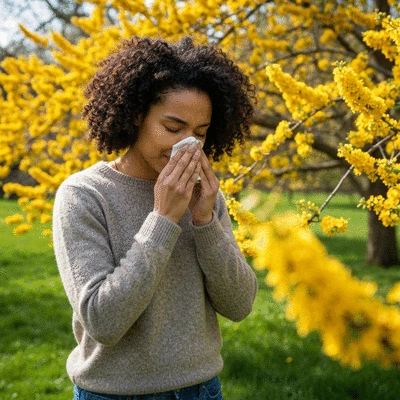
Identifying what triggers your pollen allergies is the first step toward effective management. Pollen counts vary throughout the year, with many people experiencing heightened symptoms during specific seasons. Here are the primary sources of pollen that can provoke allergic reactions:
- Tree Pollen: Typically high in spring, from trees like oak, birch, and cedar.
- Grass Pollen: Peaks in late spring and early summer, most commonly from types like Bermuda and Timothy grass.
- Weed Pollen: Often an issue in late summer to fall, with ragweed being one of the most notorious culprits.
By understanding these triggers, you can better prepare for the allergy seasons and take proactive measures to minimize your exposure. The American Academy of Allergy, Asthma & Immunology offers detailed insights into pollen allergy and its various triggers.
Identifying Common Symptoms of Pollen Allergies
Being aware of pollen allergy symptoms is essential for timely management. The symptoms can vary from person to person, but they usually share common characteristics. Here’s what to look out for:
- Runny or stuffy nose
- Itchy or watery eyes
- Sneezing or coughing
- Fatigue or headaches
Recognizing these symptoms early can make a huge difference in your comfort level, enabling you to take action before they escalate.
Recognizing Symptoms of Hay Fever and Allergic Rhinitis
When we talk about hay fever and allergic rhinitis, the symptoms often manifest similarly to those of a cold, which can be confusing. However, hay fever is specifically triggered by allergens like pollen, whereas colds are caused by viruses. Here are a few distinctive symptoms that may help you differentiate:
- Persistent itchy throat or ears
- Clear nasal discharge (as opposed to yellow or green with a cold)
- Symptoms that occur at specific times of the year
By understanding these differences, you can better communicate your symptoms to a healthcare provider, ensuring that you receive the appropriate care and management strategies.
Pro Tip
Did you know? Keeping your windows closed on high pollen days can significantly reduce your exposure to allergens. Additionally, showering and changing clothes after spending time outdoors can help remove pollen from your skin and hair, providing further relief from symptoms!
Frequently Asked Questions About Pollen Allergies
Here are some common questions to help you better understand and manage pollen allergies:
- What are the main triggers of pollen allergies?
Pollen allergies are primarily triggered by tree pollen (common in spring), grass pollen (peaks in late spring/early summer), and weed pollen (prevalent in late summer/fall, with ragweed being a major contributor).
- How can I tell if my symptoms are due to pollen allergies or a cold?
Pollen allergy symptoms often include persistent itchy throat or ears, clear nasal discharge, and occur at specific times of the year. Colds, on the other hand, typically have thicker nasal discharge and are caused by viruses, not allergens.
- What are the most common symptoms of pollen allergies?
Common symptoms include a runny or stuffy nose, itchy or watery eyes, sneezing, coughing, fatigue, and headaches.
- What are some effective ways to manage pollen allergy symptoms?
Effective management strategies include using antihistamines and nasal sprays, monitoring local pollen counts, creating a pollen-free home environment with HEPA filters, and considering immunotherapy for long-term relief.
- Why is it important to consult a healthcare provider for pollen allergies?
Healthcare providers can offer personalized management plans, conduct allergy testing to identify specific triggers, and provide guidance on the most suitable treatment options, ensuring comprehensive and effective care.
Summarizing Effective Management and Prevention of Pollen Allergies
As we navigate through the pollen-filled months, it’s crucial to keep our allergy management strategies sharp. At I’m Allergic, I understand firsthand the challenges that pollen allergies can bring. So, let's revisit some key strategies that can help you find relief and protect yourself from triggers!

- Utilize antihistamines and nasal sprays to alleviate symptoms.
- Consider immunotherapy for long-term relief if symptoms persist.
- Monitor pollen counts regularly to plan outdoor activities wisely.
- Create a pollen-free environment at home using HEPA filters and air purifiers.
- Engage in natural remedies like honey and saline solutions for added relief.
Implementing these strategies can make a significant difference in your daily life. It’s all about finding what works best for you and sticking to it!
Encouraging Continuous Monitoring of Pollen Levels
One of the best ways to manage your pollen allergies is to continuously monitor pollen levels in your area. Knowing when pollen counts are high allows you to plan your outdoor activities accordingly. Websites and apps provide real-time pollen forecasts, making it easier to stay ahead of your symptoms. The Asthma and Allergy Foundation of America (AAFA) publishes annual reports on allergy capitals, which can provide insights into regional pollen trends.
- Check local weather forecasts for pollen counts.
- Use allergy apps that send alerts when pollen levels rise.
- Keep a personal diary of your symptoms correlated with pollen levels.
By staying informed, you can make better choices about when to stay indoors or when to carry necessary medications. Remember, knowledge is power!
Taking Action: Resources and Tools for Ongoing Support
Managing pollen allergies involves more than just immediate relief; it’s about building a support system that adapts to your needs. At I’m Allergic, I encourage you to take advantage of the many resources available to help you stay in control.
Engaging with Local Pollen Trackers and Allergy Apps
Local pollen trackers and allergy apps are fantastic tools to help you stay updated on pollen levels. These resources provide valuable information that can guide your daily routine and help you prepare for high pollen days.
- Download an allergy app that tracks local pollen counts.
- Follow local weather channels that provide pollen forecasts.
- Join online communities focused on allergy support and information sharing.
Engaging with these resources can help you feel connected and informed, which is essential for managing your allergies effectively!
Consulting Healthcare Providers for Personalized Plans
For the best possible management of your pollen allergies, don’t hesitate to consult with healthcare providers. They can create a personalized plan that suits your specific needs.
Importance of Allergy Testing for Tailored Management
Undergoing allergy testing can be incredibly beneficial. It helps identify your specific triggers, allowing you to tailor your management strategies effectively. This knowledge empowers you to avoid allergens and choose the right treatment options!
- Ask your doctor about allergy testing and its benefits.
- Discuss your symptoms openly to find the best management plan.
- Regular follow-ups can help adjust your strategies as needed.
Overall, a proactive approach to managing your pollen allergies can lead to a more fulfilling and symptom-free life. Let’s work together to create a safe environment and empower ourselves with knowledge!
Recap of Key Points
Here is a quick recap of the important points discussed in the article:
- Pollen allergies, also known as hay fever, are triggered by pollen from trees, grasses, and weeds.
- Common symptoms include a runny nose, itchy eyes, sneezing, and fatigue.
- Key strategies for managing pollen allergies include using antihistamines, monitoring pollen counts, and creating a pollen-free environment at home.
- Consulting healthcare providers for personalized management plans and allergy testing can enhance your approach to dealing with allergies.
- Utilizing local pollen trackers and allergy apps can help you stay informed and better plan your activities during high pollen seasons.