Guide to Environmental Allergy Diets

Have you ever felt overwhelmed by the nuances of managing allergies? Understanding the differences between environmental allergies and food sensitivities can empower you to make informed choices and improve your quality of life. Let's delve into key insights that can guide you on this journey.
What You Will Learn
- Distinguishing between environmental allergies (e.g., pollen, dust mites) and food allergies is crucial for effective management.
- Pollen-food syndrome can cause unexpected allergic reactions to certain fruits and vegetables in individuals sensitive to pollen.
- Maintaining a food diary can help identify specific food triggers, enhancing your ability to manage dietary restrictions.
- Implementing an elimination diet can help pinpoint allergies, leading to better management of food sensitivities.
- Understanding cross-reactivity between pollen and certain foods is essential to avoid complications in allergy management.
- High-histamine foods can exacerbate allergy symptoms; consider a low-histamine diet if you notice increased reactions.
- Consulting healthcare professionals is vital when experiencing severe allergic reactions or persistent symptoms despite dietary changes.
- Nutritional counseling can provide personalized meal plans and education on managing food allergies effectively.
Understanding Allergy Triggers: Environmental vs. Food
Differentiating between environmental allergies and food sensitivities is crucial for effective management. This visual highlights key distinctions and common triggers for both categories.
Environmental Allergies
Immune system reacts to allergens in surroundings.
- Pollen (trees, grasses, weeds)
- Dust mites & mold spores
- Animal dander
Food Allergies & Sensitivities
Immune responses to specific proteins in foods.
- Dairy products & Eggs
- Nuts & Peanuts
- Soy & Wheat/Gluten
Pollen-Food Syndrome (Oral Allergy Syndrome)
Cross-reactivity where food proteins mimic pollen, triggering reactions.
Birch Pollen
Apples, Cherries, Carrots, Almonds
Ragweed Pollen
Melons, Bananas, Cucumbers, Zucchini
Grass Pollen
Tomatoes, Oranges, Peaches
Food Allergy Elimination Protocol
- Identify potential allergens.
- Remove them from diet completely for a few weeks.
- Monitor symptoms and reactions carefully.
- Reintroduce one allergen at a time, slowly.
- Note any reactions that occur in a detailed food diary.
Understanding Environmental Allergies and Food Sensitivities
As someone who has navigated the complex world of allergies, I know how confusing it can be to differentiate between environmental allergies and food sensitivities. Both can significantly impact your quality of life, but they originate from different sources. Understanding these distinctions is crucial for effective management and living a fulfilling life.
Environmental allergies often stem from substances like pollen, dust mites, or pet dander, while food allergies are triggered by specific food proteins. Recognizing the differences not only helps in identifying your triggers but also aids in developing targeted strategies to reduce exposure and manage symptoms.
Defining Environmental Allergies vs. Food Allergies
So, what exactly are environmental allergies? These allergies occur when your immune system reacts to allergens present in your surroundings. Common culprits include:
- Pollen from trees, grasses, and weeds
- Dust mites and mold spores
- Animal dander
On the other hand, food allergies are immune responses to certain proteins in foods. For many of us, these reactions can range from mild to severe, making it essential to be educated about what we consume. Understanding this distinction enables us to manage our allergies effectively and avoid potential dangers. For more detailed information, the Food Allergy Research & Education (FARE) website offers comprehensive resources on food allergies.
Examining Pollen-Food Syndrome: What You Need to Know
Pollen-food syndrome, also known as oral allergy syndrome, is a unique condition where certain fruits and vegetables trigger allergic reactions in individuals already sensitive to pollen. This occurs because the proteins in these foods are similar to those in pollen, causing confusion for our immune systems.
- Birch pollen can cause reactions to apples, cherries, and carrots.
- Ragweed pollen is linked to melons, bananas, and cucumbers.
- Grass pollen may lead to sensitivities to tomatoes and oranges.
If you often experience itchiness or swelling in your mouth after consuming raw fruits or vegetables, you might be dealing with pollen-food syndrome. I recommend speaking with a healthcare provider for proper diagnosis and management. Awareness is key! Recent research, such as studies published in PubMed, continues to shed light on the complexities of pollen-food syndrome and its impact on individuals.
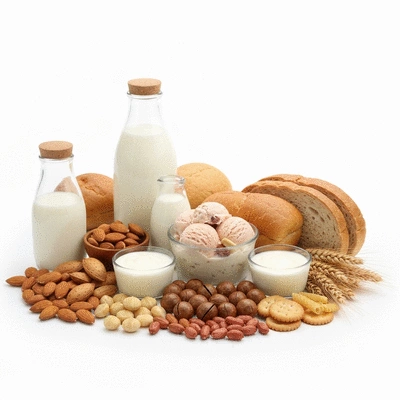
Foods to Avoid on an Environmental Allergy Diet
When managing allergies, it’s essential to know which foods to steer clear of. An allergy-friendly diet not only helps reduce symptoms but also empowers you to live your life more freely. Here’s a look at common allergenic foods and their triggers.
Identifying Common Allergenic Foods and Their Triggers
When navigating dietary restrictions, understanding common allergens is the first step. Here’s a helpful list of foods that often trigger allergic reactions:
- Dairy products
- Eggs
- Nuts and peanuts
- Soy
- Wheat and gluten
It’s important to identify your specific triggers. Many individuals, including myself, have found it beneficial to keep a food diary to track reactions. This practice can provide insights into your unique allergy profile, helping you make informed choices.
Food Allergy Elimination Protocols
Implementing an elimination diet can be an effective strategy for pinpointing allergies. This process involves removing suspected allergens from your diet for a few weeks and then gradually reintroducing them one by one. Here’s a simplified approach:
- Identify potential allergens.
- Remove them from your diet completely.
- Monitor symptoms and reactions.
- Reintroduce one allergen at a time.
- Note any reactions that occur.
This method can help you understand how foods affect you and lead to safer meal choices in the future.
Understanding Cross-Reactivity: Pollen and Food Connections
Cross-reactivity occurs when your immune system confuses proteins from different sources. For instance, if you’re allergic to pollen, your body might react to certain foods that share similar proteins. This can make identifying the source of your allergies even more challenging! The importance of understanding cross-reactivity is highlighted in various medical literature, including articles available on PMC, which discuss the nuances of such immune responses.
Specific Examples: Birch, Ragweed, and Grass
Understanding specific cross-reactivities can help you avoid complications:
- Birch pollen can cause reactions to apples and almonds.
- Ragweed is linked to zucchini and bananas.
- Grass pollen may provoke reactions to peaches and tomatoes.
By being aware of these connections, you can tailor your diet to minimize allergic reactions and lead a more comfortable life.
High-Histamine Foods: How They Impact Allergic Reactions
High-histamine foods can exacerbate allergy symptoms for some individuals. Foods like fermented products, aged cheeses, and processed meats are known to contain higher levels of histamine. If you notice an increase in your symptoms after consuming these foods, it might be worth considering a low-histamine diet.
Common Allergens to Watch Out For in Your Diet
In addition to high-histamine foods, there are common allergens that many individuals should be aware of. These include:
- Gluten: Found in wheat, barley, and rye.
- Dairy: Found in milk, cheese, and yogurt.
- Soy products: Often hidden in many processed foods.
By focusing on avoiding these common allergens, you can create a safer and more enjoyable eating experience.
Gluten, Dairy, and Soy Products as Potential Triggers
These three items are notorious for triggering allergic reactions in many individuals. If you suspect you might be sensitive, I encourage you to evaluate your diet and consider an elimination approach to see how your body responds.
Being proactive in identifying and avoiding these allergens can lead to improved symptoms and a better quality of life overall. Remember, you're not alone on this journey—there's a community here to support you!

We Want to Hear From You!
What challenges have you faced when managing your allergies? Share your experiences and tips with our community below:
Frequently Asked Questions About Allergy Management
- What is the difference between environmental allergies and food sensitivities?
- Environmental allergies are immune system reactions to allergens in your surroundings like pollen or dust mites. Food sensitivities, including food allergies, are immune responses to specific proteins in foods like dairy or nuts.
- What is Pollen-Food Syndrome?
- Pollen-food syndrome, also known as oral allergy syndrome, occurs when your immune system reacts to certain fruits and vegetables because their proteins are similar to those found in pollen you're already sensitive to. Symptoms often include itching or swelling in the mouth.
- How can a food diary help manage allergies?
- A food diary is a valuable tool for tracking what you eat and any corresponding reactions. This helps identify specific food triggers and patterns, enabling you to make informed decisions about your diet and better manage symptoms.
- What is an elimination diet, and how does it work?
- An elimination diet involves removing suspected allergenic foods from your diet for a few weeks to see if symptoms improve. After this period, foods are reintroduced one at a time, allowing you to observe and identify specific triggers.
- Why is understanding cross-reactivity important?
- Cross-reactivity is important because it explains why your immune system might react to certain foods if you're already allergic to specific pollens (e.g., birch pollen allergy leading to reactions to apples). Knowing these connections helps you avoid unexpected reactions.
- When should I consult a healthcare professional for my allergies?
- You should consult healthcare professionals if you experience frequent or severe allergic reactions, have difficulty identifying specific food triggers, experience persistent symptoms despite dietary changes, or are concerned about nutritional deficiencies.
- What role does nutritional counseling play in managing food sensitivities?
- Nutritional counseling provides personalized meal plans that accommodate your allergies while ensuring adequate nutrient intake. A nutritionist can also educate you on food labels, ingredient substitutions, and how to navigate social eating situations effectively.
Next Steps: Taking Control of Your Allergy Diet
Managing allergies can feel overwhelming at times, but taking control of your allergy diet is a powerful step toward living a healthier life. It’s important to know when to consult healthcare professionals, how to reintroduce foods after an elimination diet, and the benefits of nutritional counseling. Let’s dive into these topics!
When to Consult Healthcare Professionals
Understanding the right time to seek help from healthcare professionals is crucial in your journey. If you experience severe allergic reactions or if managing your diet becomes too difficult, it’s time to reach out for support. Here are a few signs that consulting a professional is necessary:
- Frequent or severe allergic reactions
- Difficulty identifying specific food triggers
- Persistent symptoms despite dietary changes
- Concern about nutritional deficiencies due to dietary restrictions
As someone who has navigated the maze of allergies myself, I can attest to the importance of having a knowledgeable healthcare team by your side. They can provide personalized advice and resources tailored to your unique situation.
How to Approach Food Reintroduction After an Elimination Diet
Reintroducing foods after an elimination diet can be a delicate process. It’s essential to take it slow and methodically to accurately gauge your body’s reactions. Here’s a step-by-step approach to help you:
- Start with one food at a time.
- Wait three to five days before adding another food.
- Keep a detailed food diary to track any symptoms.
- Note how each reintroduced food affects your overall health.
By following these steps, you can gain valuable insights into how different foods impact your allergies. It’s like piecing together a puzzle of your dietary needs!
The Role of Nutritional Counseling in Managing Food Sensitivities
Nutritional counseling can be a game-changer for those dealing with food sensitivities. A qualified nutritionist can help you create a balanced diet that accommodates your allergies while ensuring you get the nutrients you need. Here are some benefits of seeking nutritional counseling:
- Personalized meal plans tailored to your allergies
- Education on food labels and ingredient substitutions
- Support in navigating social situations involving food
Investing in nutritional counseling not only empowers you with knowledge but also provides a supportive guide in your journey. At I’m Allergic, we believe that knowledge is key to living a fulfilling life with allergies, and having a nutrition expert can enhance that journey significantly!
Summary of Key Points and Final Thoughts
As we wrap up, remember that taking control of your allergy diet is an ongoing process. Being proactive and knowledgeable about your allergies will enable you to make informed decisions and lead a healthier life.
Empowering Yourself with Knowledge on Allergy Diets
Empowerment comes from understanding your body’s needs and reactions. The more informed you are, the better decisions you can make regarding your food choices. Don't hesitate to share your experiences and insights with others; it can create a supportive community!
Encouragement for a Healthier, Allergy-Friendly Lifestyle
Embarking on this journey may seem daunting, but every step you take towards understanding your allergies is a victory. Embrace the challenge and celebrate your progress. Together, we can create a safer world for individuals with allergies! Remember, you’re not alone—here at I’m Allergic, we’re here to support you every step of the way!
Recap of Key Points
Here is a quick recap of the important points discussed in the article:
- Environmental allergies are triggered by substances like pollen, dust mites, and pet dander.
- Food allergies involve immune responses to specific food proteins, which can range from mild to severe.
- Pollen-food syndrome can cause reactions to certain fruits and vegetables in individuals sensitive to pollen.
- Keeping a food diary can help identify specific food triggers and manage allergies effectively.
- An elimination diet is a useful strategy for pinpointing food allergies through careful reintroduction.
- Consult healthcare professionals when experiencing severe reactions or persistent symptoms despite dietary changes.
- Nutritional counseling can provide personalized meal plans and education on managing food sensitivities.