Food Allergy Management at Home
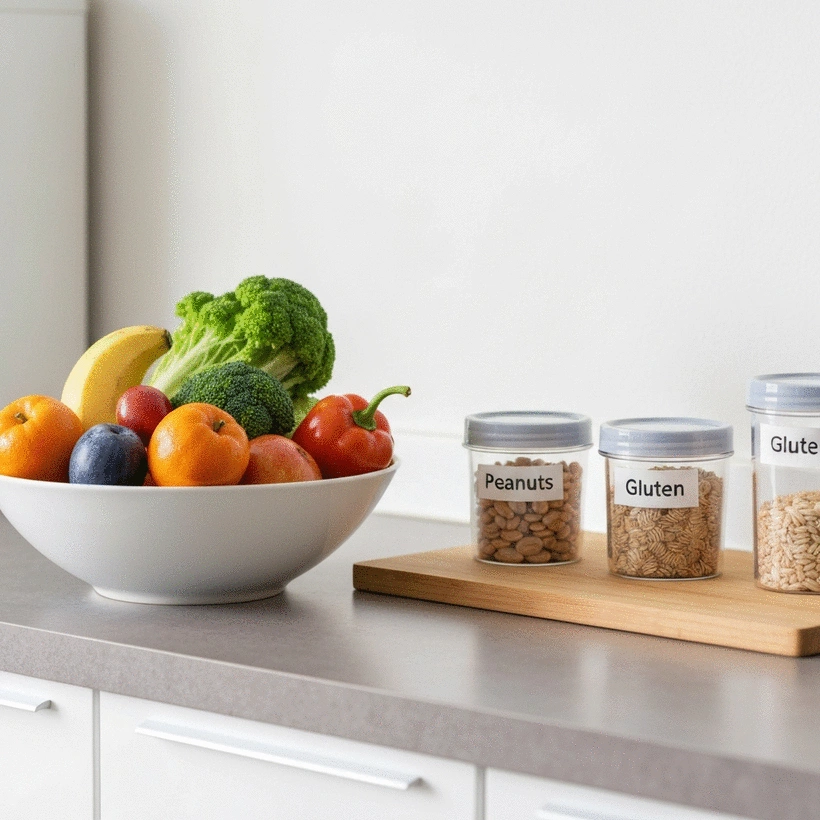
As the prevalence of food allergies continues to rise, understanding how to create a safe environment at home is more crucial than ever. By empowering ourselves and our families with knowledge, we can navigate these challenges effectively. Here are key insights to help you manage food allergies safely.
What You Will Learn
- Food allergies are caused by the immune system mistakenly identifying harmless substances as threats, leading to various health impacts.
- Common food allergens include peanuts, tree nuts, shellfish, fish, dairy, eggs, wheat, and soy.
- Implementing safety protocols at home involves label reading, understanding cross-contamination, and involving all family members in safety practices.
- Recognizing allergy symptoms like itching, skin reactions, and difficulty breathing is crucial for effective emergency responses.
- Establishing clear cleaning routines and designated food preparation areas can significantly reduce allergen exposure at home.
- Family support is essential; engaging everyone in learning about allergies fosters a collaborative safety environment.
- Utilizing resources like meal planning checklists and emergency plans enhances organization and preparedness in managing allergies.
- Understanding food and nutrition labels is vital for making safe dining choices, especially when eating out.
Key Strategies for Food Allergy Management at Home
Understanding and implementing these strategies can significantly improve safety and peace of mind when managing food allergies.
Understanding Food Allergies at Home: Why Safety Matters
Living with food allergies requires a unique understanding of both the risks and the precautions needed to maintain a safe environment. As someone who has navigated my own allergies for years, I can tell you that a well-informed household is key to managing these challenges effectively. Understanding food allergies not only safeguards your well-being but also empowers your entire family to be more proactive.
Food allergies can range from mild to severe, and their effects can be life-threatening. It’s essential to recognize that even a small exposure can trigger an allergic reaction. By focusing on safety at home, we can create a sanctuary where everyone feels comfortable and secure.

Defining Food Allergies: What You Need to Know
Food allergies occur when the immune system mistakenly identifies a harmless substance as a threat. This results in a range of symptoms that can impact your health dramatically. Common allergens include:
- Peanuts
- Tree nuts
- Shellfish
- Fish
- Dairy
- Eggs
- Wheat
- Soy
Understanding these allergens is crucial for effective management. By knowing what to avoid, you can make informed choices at home and when dining out.
The Importance of Safety in Daily Life with Food Allergies
Safety is not just a precaution; it’s a lifestyle change when living with food allergies. This is why I emphasize the importance of actively involving all family members in creating a safe environment. From label reading to understanding cross-contamination, everyone should play a role in minimizing risks. For more detailed insights into effective management and treatment options, you can refer to resources like the Allergy & Asthma Network's guide on food allergy treatment and management.
Establishing safety protocols at home ensures that everyone knows what to do in case of an emergency. It turns potentially stressful situations into manageable moments when everyone is prepared.
Recognizing Allergy Symptoms: How to Respond to Allergic Reactions
Being aware of allergy symptoms is critical for quick responses. Symptoms can vary but often include:
- Itching or swelling in the mouth or throat
- Skin reactions such as hives
- Stomach pain, cramps, or diarrhea
- Difficulty breathing or wheezing
In severe cases, anaphylaxis can occur, which requires immediate medical attention. It’s important to have a plan in place for each family member. Knowing how to respond swiftly can make all the difference in ensuring safety. For guidance on managing food-induced anaphylaxis at home, the Canadian Society of Allergy and Clinical Immunology provides valuable considerations.
Pro Tip
Did you know? Keeping a dedicated "allergy-free" space in your kitchen can significantly reduce the risk of cross-contamination. Designate specific shelves for allergen-free foods and use separate utensils for meal preparation. This simple strategy not only helps prevent accidental exposure but also makes it easier for everyone in your household to understand and respect allergy safety.
Frequently Asked Questions About Food Allergy Management at Home
What are common food allergies?
Common food allergens include peanuts, tree nuts, shellfish, fish, dairy, eggs, wheat, and soy. Understanding these is crucial for effective management.
How can I prevent cross-contamination at home?
Establishing clear cleaning routines, designating separate food preparation areas, and using separate utensils for allergen-free foods can significantly reduce the risk of cross-contamination.
What are the key symptoms of an allergic reaction?
Symptoms can vary but often include itching or swelling in the mouth or throat, skin reactions such as hives, stomach pain, cramps, diarrhea, or difficulty breathing. In severe cases, anaphylaxis may occur.
Why is family support important for allergy management?
Family support is vital because it ensures everyone is aware of safety protocols, helps with meal planning and preparation, and fosters an empathetic environment where everyone understands the challenges and responsibilities involved.
What resources are available to help manage food allergies?
Downloadable resources such as meal planning checklists, emergency action plans tailored to specific allergens, and guides for dining out safely are available to help families stay organized and prepared.
How should I approach dining out with food allergies?
It is recommended to research restaurants online for allergen information, call ahead to discuss allergy protocols with staff, and choose establishments that specialize in or are known for their allergen-free options.
Summarizing Key Strategies for Allergy Management at Home
As someone who has navigated the challenges of living with allergies, I know just how crucial it is to have a solid game plan in place. At I’m Allergic, we prioritize safety and awareness, and I want to share some of the essential strategies that have helped many in our community effectively manage allergies at home.
Here are some key strategies that can make a significant difference:
- Establish clear cleaning routines to maintain allergen-free surfaces.
- Implement designated food preparation areas to prevent cross-contact.
- Communicate openly with family members about allergies and safety practices.
By creating a structured environment, you empower everyone to contribute to a safer household. Remember, it’s all about being proactive and informed!
The Role of Family Support in Successful Allergy Management
Family support is vital when managing food allergies. I’ve experienced firsthand how important it is for family members to be on the same page regarding safety protocols. It’s not just about avoiding allergens; it’s about fostering a supportive atmosphere where everyone understands the challenges and responsibilities involved.
Consider these tips to enhance support within your family:
- Involve everyone in learning about allergies—this builds empathy and commitment.
- Designate family members to help with meal planning and preparation.
- Encourage open discussions about feelings and fears related to allergies.
When families work together, it creates a strong foundation for managing allergies effectively. This collaboration can lead to shared experiences that strengthen bonds while keeping everyone safe!

Encouraging Proactive Measures for Food Allergy Safety
Downloadable Resources: Checklists and Emergency Plans
To make allergy management easier, I often recommend using resources like checklists and emergency plans. These tools are designed to help you and your family stay organized and prepared. At I’m Allergic, we offer downloadable resources you can customize for your specific needs.
- Meal planning checklists for allergy-friendly dishes.
- Emergency action plans tailored to your family’s unique allergens.
- Resources for navigating dining out safely.
Having these resources on hand can reduce anxiety and increase confidence when dealing with allergies. It empowers you and your family to make informed decisions!
Join the Conversation: Share Your Experiences and Tips
Sharing experiences is a powerful way to build community and connect with others who understand what you’re going through. I invite you to join the conversation! Whether through I’m Allergic’s social media platforms or local support groups, your story can inspire and educate others. Research into the psychosocial aspects of food allergies, such as a study published in PMC NCBI, highlights the importance of community and shared experiences for those managing these conditions.
Here are a few suggestions for sharing:
- Post your successful allergy-friendly recipes online.
- Share tips on managing allergies in daily life.
- Discuss challenges faced and how you overcame them.
Your insights could help someone else feel less alone in their journey. Let’s empower each other to live safely and confidently!
Understanding Food Labels and Nutrition Labels for Safe Eating
Reading food labels can be daunting, especially with so many ingredients and potential allergens. However, understanding how to read labels correctly is crucial for keeping yourself safe. I’ve often found that being diligent about reading labels has made a world of difference in my own life.
Here are some key aspects to consider:
- Look for common allergen warnings like “may contain” or “produced in a facility that processes” statements.
- Familiarize yourself with both food labels and nutrition labels for better understanding.
- Learn to identify allergenic ingredients hiding under complex names.
By educating yourself on food labels, you can take control of your meals and make safer choices!
Dining Out with Allergies: How to Choose Allergy-Friendly Restaurants
Dining out can pose unique challenges for those with allergies, but it doesn’t have to be stressful. The key is preparation and communication. When I head out to eat, I always take the time to research the restaurant beforehand.
Here are some tips for finding allergy-friendly dining options:
- Check online menus for allergen information before visiting.
- Call ahead to speak with staff about allergy protocols.
- Look for establishments that specialize in allergen-free options.
By being proactive, you can enjoy a meal out while minimizing risks. It’s all about knowing where to dine safely!
Recap of Key Points
Here is a quick recap of the important points discussed in the article:
- Food allergies can range from mild to severe; knowing common allergens is crucial for safety.
- Establishing safety protocols at home is essential for managing food allergies effectively.
- Recognizing allergy symptoms and having a response plan can help in emergencies.
- Family involvement in learning and practicing safety measures fosters a supportive environment.
- Using resources like checklists and emergency plans can prepare families for allergy management.
- Understanding food labels is vital to avoid allergic reactions while dining at home or out.
- Proactive measures, like researching restaurants, can enhance safety when dining out with allergies.