Clear Allergens for Better Sleep
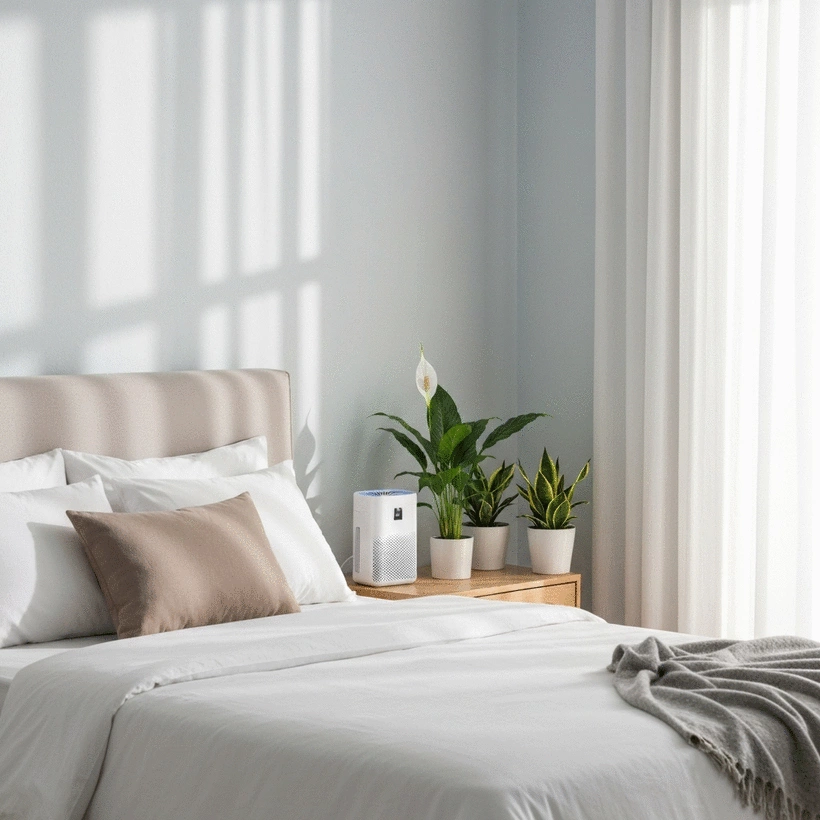
As you embark on the journey of creating an allergy-proof bedroom, consider this: a restful night's sleep could be just a few changes away. By addressing common allergens, you can transform your sleeping environment and enhance your overall well-being.
What You Will Learn
- Recognize common bedroom allergens, including dust mites, pet dander, and pollen, and their effects on sleep quality.
- Implement effective cleaning strategies, such as regular bedding hygiene and vacuuming with HEPA filters, to reduce allergen exposure.
- Maintain optimal humidity levels (30-50%) to combat mold growth and improve indoor air quality.
- Identify and manage specific triggers in your sleep environment, and establish pet-free zones to minimize dander.
- Select hypoallergenic products and easy-to-clean furniture to create a healthier sleeping space.
- Develop a consistent cleaning routine and track your allergy symptoms to ensure ongoing management and improvement.
Your Allergen-Proofing Journey: Key Steps & Impact
Creating an allergy-proof bedroom involves understanding common allergens, implementing practical reduction steps, and choosing the right products for a healthier sleep environment. Below, we've outlined the core process to help you achieve restful, allergy-free sleep.
Essential Reduction Steps
- Bedding Hygiene: Wash weekly in hot water. Use hypoallergenic covers.
- Vacuuming: Weekly with HEPA filter, focus on hidden spots.
- Humidity Control: Maintain 30-50% with a dehumidifier.
- Air Quality: Use HEPA air purifier, ventilate room.
Consistency is key for effective management.
Choosing Allergy-Friendly Products
- Hypoallergenic Bedding: Resists allergen buildup.
- Easy-to-Clean Furniture: Wood or metal over fabric.
- Allergy-Proof Curtains: Washable drapes.
- Decluttered Space: Reduces allergen accumulation.
Invest in solutions for continuous protection.
Creating an Allergy-Proof Bedroom for Better Sleep
As someone who has navigated the challenges of allergies, I know how crucial it is to create a comfortable sleeping environment. An allergy-proof bedroom can significantly improve your sleep quality and overall health. Let’s explore how to tackle common allergens found in the bedroom and the steps you can take to minimize their impact.
Understanding the Impact of Bedroom Allergens
Did you know that your bedroom can harbor a variety of allergens? Understanding these can help you take the right actions to mitigate their effects. Common allergens such as dust mites, pet dander, and even pollen can disrupt your peaceful slumber. For more comprehensive information on allergens, you can refer to resources from the Centers for Disease Control and Prevention (CDC).
Common Bedroom Allergens: Dust Mites, Pet Dander, and More
Here’s a rundown of the most prevalent allergens you might encounter:
- Dust mites: These tiny creatures thrive in bedding and upholstery.
- Pet dander: Even if your furry friend isn’t allowed in the bedroom, their flakes and fur can travel.
- Pollen: Seasonal pollen can sneak in through windows, affecting those with seasonal allergies.
- Mold spores: High humidity can lead to mold growth, especially in hidden corners.
Being aware of these allergens is the first step toward a better night's sleep.
The Connection Between Allergens and Sleep Quality
Allergens can interfere with your sleep by causing stuffiness, sneezing, and itchy eyes. This can lead to disturbances in your sleep cycle, leaving you feeling tired and unrefreshed the next day. By tackling these allergens head-on, you can enhance not only your sleep quality but also your daily energy levels! The MedlinePlus guide to allergies provides further details on how allergies can affect various aspects of health.
Identifying Allergy Triggers in Your Sleep Environment
Start by identifying what bothers you most. Take some time to analyze your sleep environment—are there any specific triggers that you notice? Documenting symptoms can be helpful. For example, if you wake up with a stuffy nose every time you sleep with your pet nearby, that’s a clue to eliminate their presence from your bedroom.
Essential Steps to Reduce Allergens in Your Bedroom
Once you understand the allergens present, it’s time to take action! Here are some essential steps to create a cleaner sleep environment:
Prioritizing Bedding Hygiene for a Cleaner Sleep Environment
Your bedding is a hotspot for allergens, so make sure to wash it regularly. Aim for a washing routine of at least once a week in hot water to eliminate dust mites and other allergens. Using hypoallergenic mattress and pillow covers can also go a long way in keeping your sleep space allergen-free!
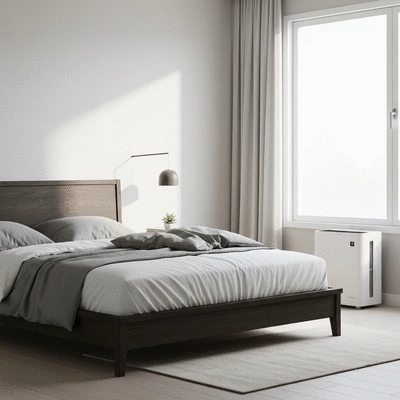
Implementing Effective Vacuuming Techniques with HEPA Filters
Investing in a vacuum with a HEPA filter is a game changer! Regularly vacuuming carpets and upholstery will help minimize dust and dander. Make it a routine to vacuum at least once a week, focusing on areas beneath the bed and other hidden spots.
Controlling Humidity: Maintaining Optimal Levels to Combat Mold
Did you know that keeping humidity levels between 30-50% can significantly reduce mold growth? Using a dehumidifier can be a great way to manage moisture in your bedroom. This simple adjustment can make a big difference in your allergy symptoms!
Enhancing Indoor Air Quality with Air Purifiers and Ventilation
Investing in an air purifier equipped with a HEPA filter can help reduce airborne allergens. Additionally, make sure to ventilate your room regularly. Opening windows on dry days can help freshen the air and keep allergens at bay.
Specific Strategies for Different Types of Allergens
As we discuss various allergens, it's essential to have tailored strategies for managing them effectively:
Dust Mite Management: Best Practices for Bedding and Surfaces
To combat dust mites, consider using allergen-proof covers on your pillows and mattresses. Regularly wash bed linens in hot water and consider using synthetic pillows as they are less hospitable to dust mites than feather pillows.
Minimizing Pet Dander: Creating a Pet-Free Sleeping Zone
While I love pets, it’s crucial to establish a pet-free zone in your bedroom. Designate a special sleeping area for your pets and keep the bedroom door closed. This will help reduce dander significantly!
Handling Pollen: Seasonal Strategies for a Barrier-Free Bedroom
During high pollen seasons, consider keeping windows closed and using air conditioning to filter out outdoor allergens. Showering and changing clothes after being outdoors can help keep pollen at bay in your sleeping space.
Choosing Allergy-Friendly Products for Your Bedroom
Finally, let’s talk about choosing the right products for your allergy-proof bedroom. Selecting the right items can make a world of difference!
Investing in Hypoallergenic Bedding and Mattress Covers
Investing in hypoallergenic bedding can help minimize your exposure to allergens. Look for materials specifically designed to resist allergens—these products can significantly improve your comfort while sleeping.
Selecting Furniture Materials That Minimize Allergens
When choosing bedroom furniture, opt for materials that are easy to clean and less likely to harbor allergens. For example, wooden or metal furniture is easier to wipe down than fabrics.
Utilizing Allergy-Proof Curtains and Dusting Techniques
Dust can settle on curtains and blinds, so consider using allergy-proof drapes that can be washed. Regularly dusting surfaces with a damp cloth can also prevent allergen buildup.
Decluttering and Choosing Cleanable Surfaces
Finally, decluttering is essential. A clean and organized space can help minimize allergens and make cleaning easier.
Effective Decluttering Techniques for a Healthier Bedroom
Start by clearing out items that you don’t use or need. The less clutter you have, the fewer surfaces there are for allergens to accumulate. It can be a refreshing process!
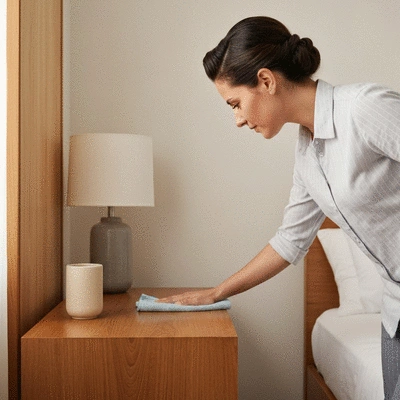
Selecting Bedroom Materials: Easy-to-Clean Options for Low Allergen Exposure
When selecting materials for your bedroom, choose items that are easy to maintain. For instance, consider hardwood floors and wipeable surfaces over carpets. These choices can greatly reduce allergen exposure.
Assessing and Tracking Success in Your Allergen Reduction Efforts
Lastly, it’s important to track your progress. Regularly assessing your space can help ensure you are on the right path.
Measuring Humidity Levels and Tracking Symptoms for Continuous Improvement
Using a hygrometer can help you track humidity levels in your bedroom. Keeping a diary of your allergy symptoms can also help you pinpoint what is working and what might need adjustment.
When to Replace Filters, Linens, and Other Bedding Items
Make it a habit to check and replace air filters every three months, and don’t forget to refresh your linens regularly to maintain a clean sleep environment.
Quick Summary
Here's a brief recap of the key points discussed so far:
- Understanding common bedroom allergens like dust mites, pet dander, and pollen is essential for better sleep quality.
- Implementing regular cleaning routines and using hypoallergenic products can significantly reduce allergen exposure.
- Maintaining optimal humidity levels and enhancing indoor air quality are key steps in creating an allergy-proof bedroom.
Frequently Asked Questions About Allergy-Proofing Your Bedroom
- What are the most common allergens found in bedrooms?
- The most common bedroom allergens include dust mites, pet dander, pollen (which enters through windows or on clothes), and mold spores, which thrive in high humidity.
- How often should I wash my bedding to reduce allergens?
- It is recommended to wash your bedding, including sheets, pillowcases, and duvet covers, at least once a week in hot water to effectively kill dust mites and remove other allergens.
- What is the ideal humidity level to prevent mold growth in a bedroom?
- Maintaining humidity levels between 30% and 50% is ideal for preventing mold growth. A dehumidifier can help achieve and maintain these levels.
- Are air purifiers effective against bedroom allergens?
- Yes, air purifiers equipped with HEPA filters are very effective at capturing airborne allergens such as dust, pollen, and pet dander, thus improving indoor air quality.
- What types of furniture are best for an allergy-proof bedroom?
- Opt for furniture made of easy-to-clean materials like wood, metal, or plastic over fabric upholstery, as these materials are less likely to accumulate dust and allergens.
- How can I minimize pet dander in my bedroom?
- The most effective way to minimize pet dander is to establish a strict pet-free zone in your bedroom, keeping the door closed to prevent pet dander from entering.
- When should I consider consulting an allergist?
- If your allergy symptoms persist despite consistent efforts to allergy-proof your bedroom, it might be beneficial to consult an allergist for personalized advice and potential treatment options.
Summarizing Your Allergy-Proofing Journey for Better Sleep
As we wrap up our exploration of how to create an allergy-proof bedroom, it's important to remember that consistency is key! Managing allergens effectively takes time and dedication, but the payoff is a peaceful and restful night's sleep, free from the disruptions caused by allergies. At I’m Allergic, we believe that small, continuous efforts can lead to significant improvements in your quality of life. For further scientific insights into managing environmental allergens, consider reviewing studies such as those published by the National Institutes of Health.
By following the strategies we've discussed, you're well on your way to establishing a healthier sleep environment. Let's dive into some actionable steps you can take today to further enhance your bedroom's allergen management.
The Importance of Consistency in Allergen Management
When it comes to allergy management, a consistent approach can make all the difference. Regularly implementing your allergen-reducing strategies helps to create a stable, safe environment. This not only minimizes the potential for allergic reactions but also promotes better sleep overall!
To keep track of your allergen management, consider the following:
- Establish a cleaning schedule to ensure regular dusting and vacuuming.
- Monitor humidity levels weekly to prevent mold growth.
- Keep an eye on your symptoms and adjust your strategies as needed.
By staying diligent, you'll foster a space that nurtures restful sleep while alleviating allergy symptoms.
Taking Action: Your Checklist for a Healthier Bedroom
Now that you understand the importance of consistency, let’s get practical! Here’s a quick checklist to help you establish a healthier bedroom environment:
- Change linens regularly—aim for at least once a week.
- Invest in a good quality air purifier and replace its filter as recommended.
- Utilize hypoallergenic bedding to reduce exposure to allergens.
- Implement strict pet-free zones to limit dander in your sleeping space.
These quick wins can be implemented tonight, paving the way for a more peaceful sleep experience!
Quick Wins Tonight: Immediate Steps to Take
If you're feeling inspired to start right away, here are some quick wins you can tackle tonight:
- Change your bedding and pillowcases to hypoallergenic options.
- Vacuum your bedroom floor and upholstery using a HEPA filter vacuum.
- Close windows to prevent pollen from entering your sleep space.
Even these small actions can help create a more comfortable sleep environment and significantly reduce allergens.
Long-Term Upgrades: Investing in Effective Solutions
Looking to make more significant changes? It's time to consider some long-term upgrades! Investing in the following solutions can greatly enhance your allergy-proofing efforts:
- High-quality air purifiers with HEPA filters for continuous air cleaning.
- Allergy-proof mattress and pillow covers for an added layer of protection.
- Furniture pieces that are easy to clean and minimize dust accumulation.
These upgrades will not only contribute to a healthier bedroom but also aid in creating a space conducive to restorative sleep.
Encouraging a Healthier Sleep Environment
To ensure your bedroom remains a sanctuary for rest, establishing a routine focused on allergen reduction is essential. This not only promotes better sleep but also reinforces the changes you've made.
Building a Bedroom Routine Focused on Allergen Reduction
Incorporate these practices into your nightly routine:
- Dedicate time each night for light cleaning to remove potential allergens.
- Establish a calming pre-sleep ritual that supports relaxation.
- Engage in mindfulness or breathing exercises to help reduce stress levels.
By making these actions a habit, you can maintain a peaceful and healthy sleep environment.
Seeking Professional Help: When to Consult an Allergist
Sometimes, despite our best efforts, allergens can still pose a challenge. If you find that your symptoms persist, it may be time to consult an allergist. They can provide tailored advice and possibly recommend treatments that suit your specific needs.
Understanding Allergy Medications and Their Role in Sleep Quality
Additionally, familiarizing yourself with allergy medications can help you make informed decisions regarding your treatment options. Medications can play a vital role in managing symptoms, allowing for a better night’s sleep. Just remember to discuss any medications with your healthcare provider to ensure they align with your overall health strategy.
With these strategies and insights from I’m Allergic, you’re now equipped to summarize your allergy-proofing journey effectively. Together, we can create a sleeping environment that fosters health, comfort, and peace!
Recap of Key Points
Here is a quick recap of the important points discussed in the article:
- Identify common allergens in your bedroom, including dust mites, pet dander, pollen, and mold spores.
- Maintain bedding hygiene by washing linens weekly in hot water and using hypoallergenic covers.
- Utilize a vacuum with a HEPA filter to regularly clean carpets and upholstery.
- Control humidity levels between 30-50% to minimize mold growth.
- Invest in air purifiers and ensure good ventilation to improve indoor air quality.
- Create a pet-free sleeping zone to reduce exposure to pet dander.
- Keep windows closed during high pollen seasons and shower after outdoor activities to limit pollen entry.
- Declutter your bedroom to minimize surfaces that can collect allergens.